
Your Guide to the South Orkney Islands
Your Guide to the South Orkney Islands
The South Orkney Islands are one of the most remote and rarely visited island groups in the Southern Ocean. Located between South Georgia and the Antarctic Peninsula, they offer a true expedition experience for travelers seeking untouched landscapes, dramatic ice scenery, and a deeper sense of isolation.
On this page, you’ll find everything you need to know about visiting the South Orkney Islands and how they fit into extended Antarctic itineraries. Our polar experts are here to help you understand your options and choose the voyage that best matches your travel style.
| The South Orkney Islands lie far off the main Antarctic Peninsula routes, making them one of the least visited destinations on Antarctic expeditions. | ||
| These islands are characterized by rugged coastlines, towering glaciers, and heavy ice conditions, offering a raw and unspoiled polar environment. | ||
| Wildlife sightings are more limited than in northern regions, but penguins, seals, and seabirds can still be encountered depending on ice and weather conditions. | ||
| The islands are home to long-standing scientific research stations, highlighting their importance in Antarctic science and climate research. | ||
| Visits to the South Orkney Islands are only possible on longer, expedition-focused voyages, often combined with South Georgia and extended Antarctic itineraries. | ||
| Reaching the South Orkney Islands places you among a very small group of travelers who experience some of the most remote landscapes in the Southern Ocean. |
Highlights: the South Orkney Islands
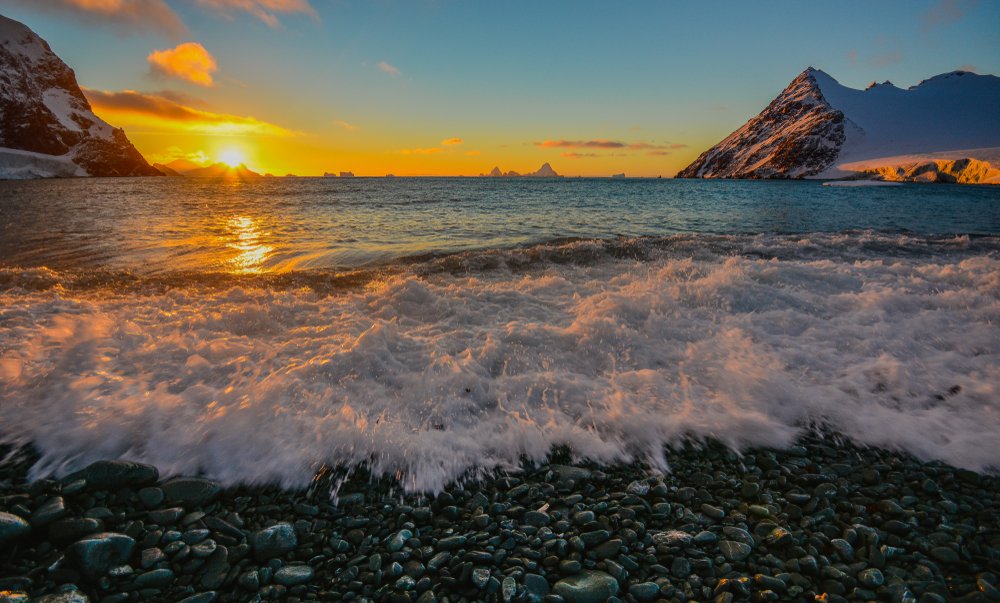
Remote Polar Wilderness
The South Orkney Islands are among the most isolated island groups in the Southern Ocean. Far from the main Antarctic routes, they offer a true sense of remoteness, with vast ice fields, rugged coastlines, and an atmosphere of untouched polar wilderness that few travelers ever experience.
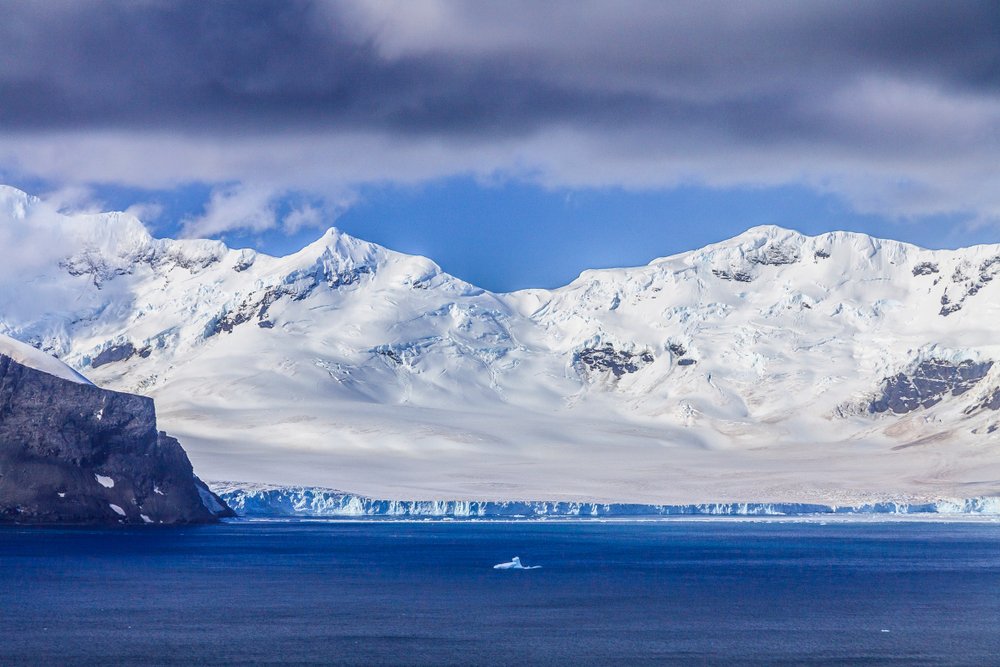
Ice-Dominated Landscapes
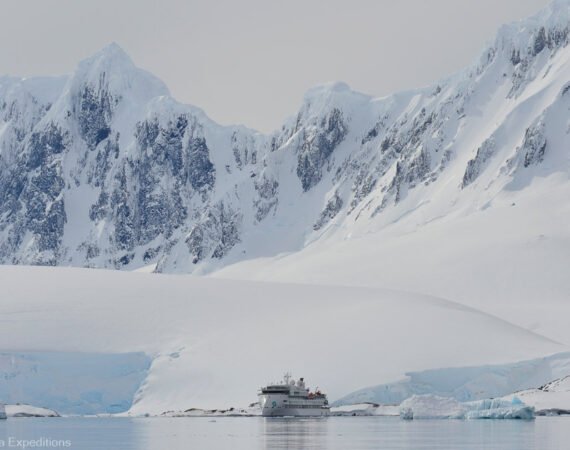
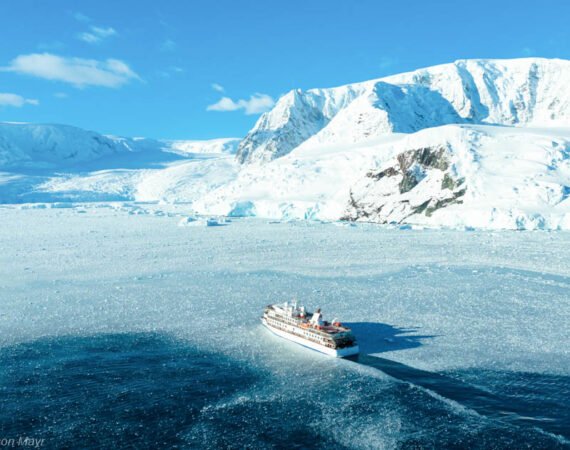
Heavy ice conditions shape the character of the South Orkney Islands. Towering glaciers, frozen bays, and drifting sea ice dominate the scenery, creating dramatic views that highlight the raw power of Antarctica. Zodiac cruises and ship-based exploration reveal ever-changing ice formations and coastal landscapes.
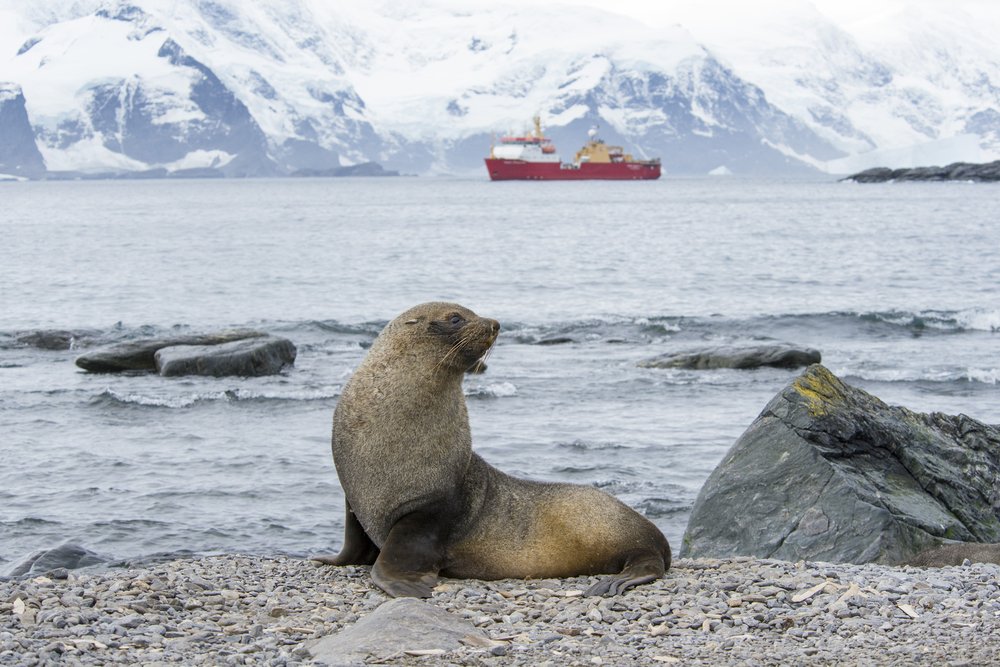
Science and Exploration History
The South Orkney Islands play an important role in Antarctic science and exploration. Long-standing research stations reflect decades of scientific work in one of the harshest environments on Earth. These sites offer insight into human presence in Antarctica and the ongoing study of climate and polar ecosystems.
Best Time to Visit the South Orkney Islands
The South Orkney Islands can only be visited during the Antarctic summer, from late November to March. Due to their remote location and heavier ice conditions, visits are limited to a small number of longer expedition cruises.
Early Season (November–December)
At the beginning of the season, ice conditions are still challenging and landscapes appear especially wild and untouched. Snow coverage is high, glaciers dominate the scenery, and the sense of remoteness is at its strongest. This period is ideal for travelers seeking dramatic polar landscapes and a true expedition atmosphere.
Mid-Season (January)
Mid-season offers the most stable conditions for reaching the South Orkney Islands. Sea ice may allow closer coastal access, daylight is long, and scientific stations are active. This is often the most reliable time to include the islands on extended Antarctic itineraries.
Late Season (February–March)
Toward the end of the season, ice conditions may ease slightly, depending on the year. Wildlife sightings can still occur, and the changing light creates striking contrasts across ice and sea. Visits remain highly dependent on weather and ice, reinforcing the expedition nature of the journey.
Best Trips to the South Orkney Islands

Ready for the adventure of your life?
Reach out to us today and receive independent, expert guidance from passionate polar specialists who will assist you every step of the way from choosing the right expedition to booking and planning every detail of your journey. Here’s How It Works:
Listen & Advise
We listen and find out which ships, which routes and which price best suit your needs.
Reserve & Relax
Your cabin is reserved for at least 72 hours while you discuss the final details of your trip.
Prepare & Explore
You will receive expert packing tips, insider tips and more so that you can leave optimally prepared.
People Also Ask about the South Orkney Islands
No, there is no permanent civilian population living on the South Orkney Islands. The islands are home only to scientific research stations that are occupied seasonally or year-round by rotating teams of researchers. There are no towns, hotels, or permanent residents.
Yes, it is possible to visit the South Orkney Islands, but only on a very limited number of expedition cruises. Visits are restricted to longer Antarctic itineraries and are highly dependent on ice and weather conditions. Independent travel is not possible.
The South Orkney Islands are subject to overlapping territorial claims by the United Kingdom and Argentina. However, under the Antarctic Treaty System, these claims are held in abeyance, and the islands are used exclusively for peaceful scientific research.
The South Orkney Islands are located in the Southern Ocean, northeast of the Antarctic Peninsula and south of South Georgia. They lie between South America and Antarctica and are considered part of the Antarctic region.
This question is often confused with the Orkney Islands in Scotland, which are a completely different destination.
For the South Orkney Islands, the best time to visit is during the Antarctic summer, typically from December to February, when sea ice conditions offer the highest chance of access and daylight hours are longest.
For the South Orkney Islands, visits are part of extended Antarctic expedition cruises rather than standalone stays. Most itineraries that include the South Orkney Islands last 18 to 30 days, with only one or two days typically spent in the region, depending on ice and weather conditions.