13 Famous Places in Antarctica

Antarctica is a destination unlike any other, known for its vast ice sheets, remote islands, and unique wildlife. For most travelers, visiting the White Continent is possible only by cruise or guided expedition, which makes each stop both rare and remarkable. 

In this article, we highlight the most famous places in Antarctica: locations that stand out for their natural beauty, historical significance, or wildlife encounters. From the well-traveled Antarctic Peninsula to the remote Southern Polar Circle and beyond, these are the highlights of the frozen continent. 

Join us as we explore the most famous places in Antarctica together and see what makes this region so extraordinary.

Table of Contents

1. Antarctic Peninsula

1. Antarctic Peninsula

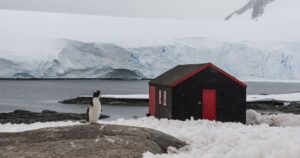
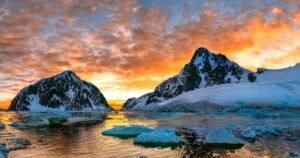
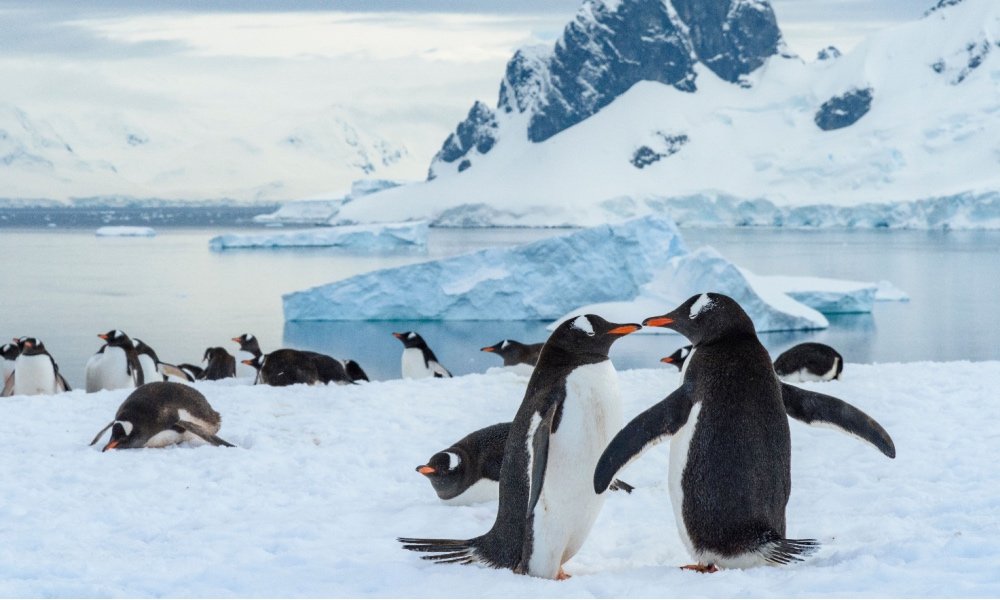
The Antarctic Peninsula is the northernmost part of mainland Antarctica and the most visited region, thanks to its easy access from South America. Cruises here reveal dramatic glaciers, icy fjords, and snow-covered peaks. It is also one of the best regions for wildlife encounters and Zodiac landings. Many of the most famous places in Antarctica are located here, including Port Lockroy, Neko Harbour, Deception Island, Paradise Bay, and more.

Why is it popular?

Easy to reach, spectacular landscapes, rich wildlife, and home to iconic Antarctic sites like Port Lockroy, Neko Harbour, and Deception Island.

What animals can I see?

Gentoo, Chinstrap, and Adélie penguins, seals, and whales.

What do tours include?

Zodiac excursions, shore landings, photography, and iceberg cruises.

2. Southern Polar Circle

2. Southern Polar Circle

The Southern Polar Circle (Antarctic Circle) marks the line of latitude at 66°33′ south. Only a small number of expedition cruises sail this far, making it a rare achievement for travelers. Those who reach it are rewarded with a true sense of remoteness and some of the most dramatic ice formations on the planet.

Why visit?

Fewer ships travel here, so it feels more remote and untouched.

What can I experience?

Crossing the circle is often celebrated on board, with opportunities to spot seals, whales, and endless pack ice.

3. South Georgia

3. South Georgia

Located in the South Atlantic Ocean, South Georgia is often included on longer Antarctic cruise itineraries. The island is famous for its dramatic mountain landscapes, historic whaling stations, and extraordinary wildlife.

Why is it popular?

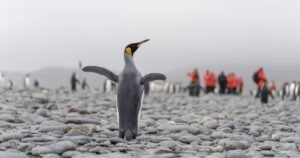
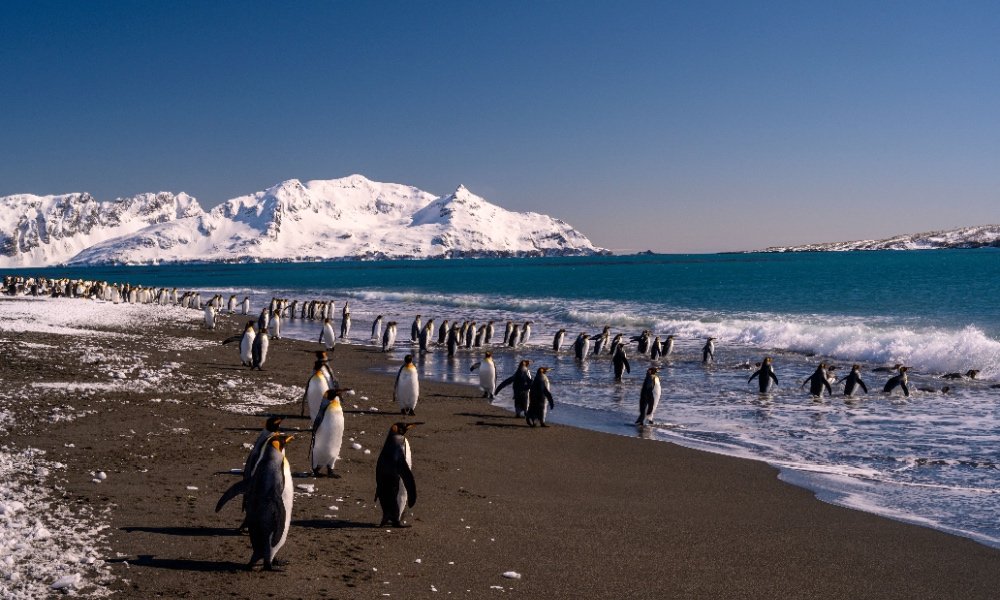
Home to the world’s largest king penguin colonies, with hundreds of thousands gathered on the beaches.

What animals can I see?

King penguins, elephant seals, fur seals, albatrosses.

What can I do on tours?

Visit Grytviken (where explorer Ernest Shackleton is buried), walk among penguin colonies, and observe massive seal groups.

4. Ross Sea

4. Ross Sea

The Ross Sea lies in the southernmost part of the Pacific Ocean and is one of the most remote regions accessible by cruise. Only a few long expeditions from New Zealand or Australia reach this area, making it a rare and exclusive destination.

Why is it popular?

Known as the “Last Ocean,” it is celebrated for its untouched landscapes and historic explorers’ huts from the Heroic Age of Antarctic Exploration.

What animals can I see?

Emperor penguins, Adélie penguins, Weddell seals, and whales.

What can I do on tours?

Visit historic huts used by Scott and Shackleton, explore massive ice shelves, and observe emperor penguin colonies.

5. Falkland Islands

5. Falkland Islands

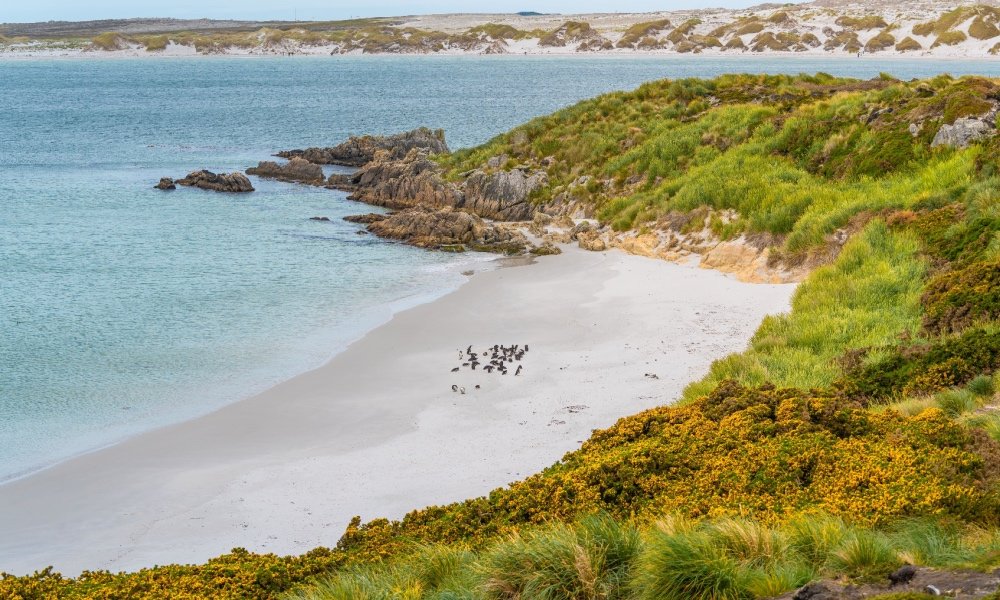
Located in the South Atlantic Ocean, the Falkland Islands are often the first or last stop on longer Antarctic cruise itineraries. With their mix of British heritage and rich wildlife, they provide a unique cultural and natural experience.

Why is it popular?

A combination of wildlife encounters and a small but distinct cultural atmosphere in Stanley, the capital.

What animals can I see?

Rockhopper, Magellanic, and Gentoo penguins, plus albatrosses and sea lions.

What can I do on tours?

Visit local communities, explore penguin rookeries, and learn about the islands’ history.

6. Deception Island

6. Deception Island

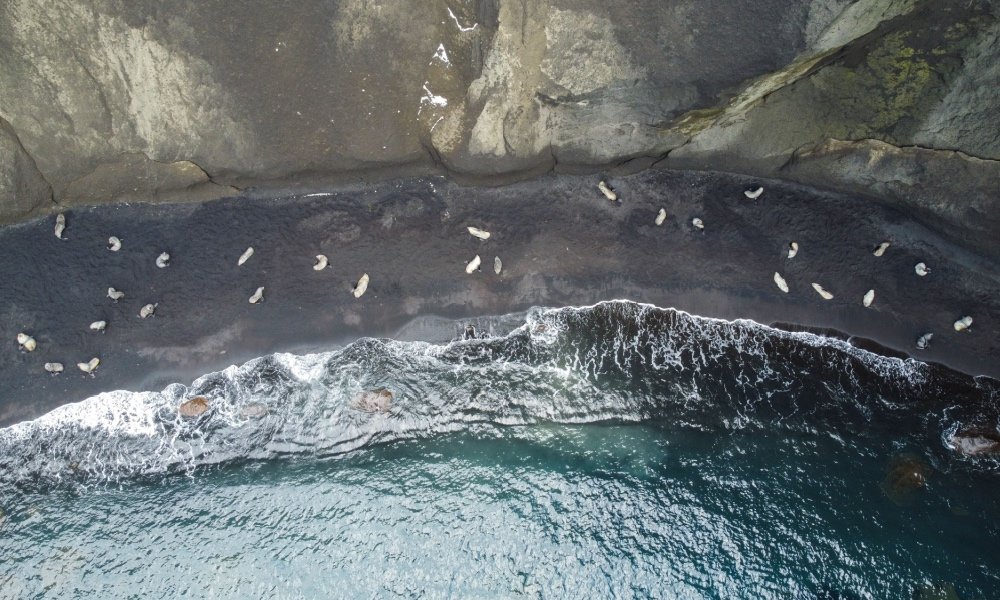
Deception Island is part of the South Shetland Islands and one of the few active volcanoes in Antarctica. Its flooded caldera allows ships to sail directly into the island, offering visitors a dramatic mix of black volcanic beaches, steaming ground, and historic ruins.

Why is it unique?

It’s the only place in the world where ships can enter the crater of an active volcano.

What can you do there?

Explore abandoned whaling stations, walk on volcanic ash beaches, and sometimes take a “polar plunge” in geothermally heated waters.

What wildlife is found here?

Large colonies of chinstrap penguins and various seabird species nest on the island.

7. Lemaire Channel

7. Lemaire Channel

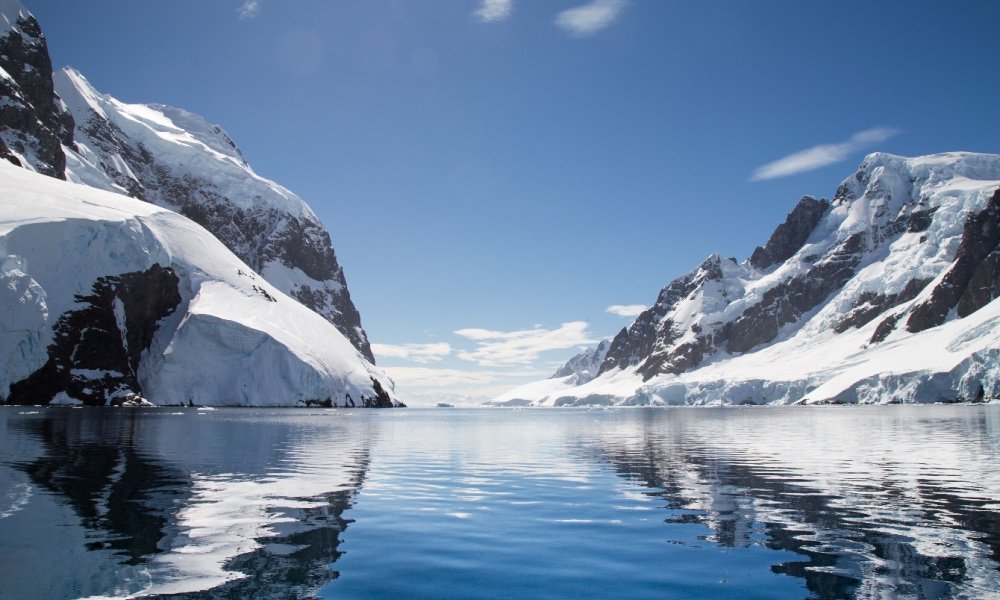
The Lemaire Channel is a narrow passage between towering cliffs and glaciers on the Antarctic Peninsula. Often called the “Kodak Gap,” it is one of the most photographed locations in Antarctica. Cruises carefully navigate through this dramatic waterway filled with icebergs.

Why is it famous?

Stunning scenery with sheer cliffs, massive icebergs, and calm waters perfect for photography.

When can it be visited?

Usually during Antarctic summer months (December–February) when ice allows safe passage.

What makes it special?

Reflections of mountains and ice in the still waters create breathtaking views for photographers.

8. Weddell Sea

8. Weddell Sea

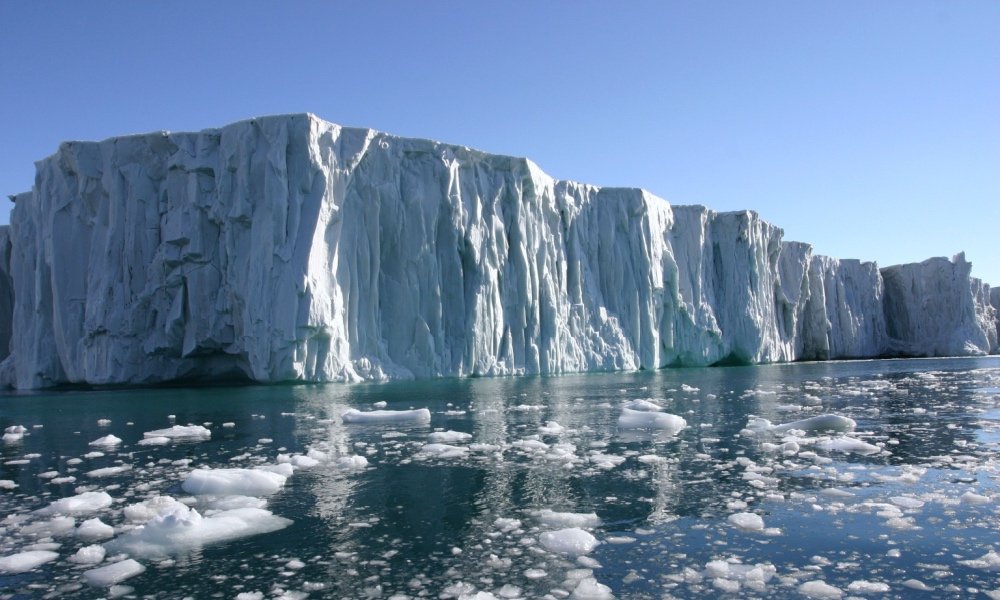
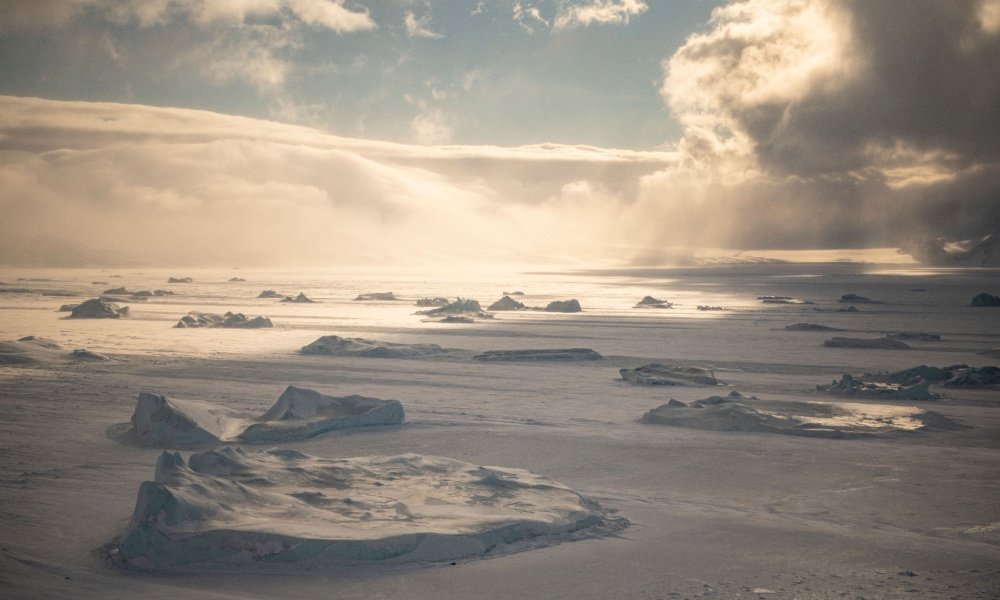
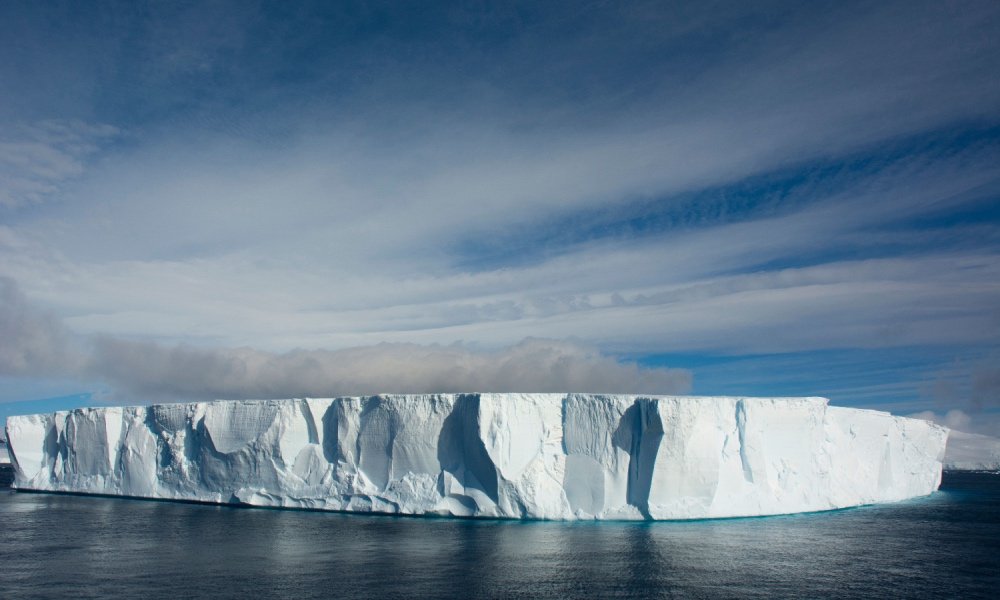
The Weddell Sea lies east of the Antarctic Peninsula and is known for its massive tabular icebergs and dramatic ice formations. It is also the area where Ernest Shackleton’s ship Endurance was famously trapped in the ice.

Why visit?

Remote, less-traveled region with spectacular ice scenery and historic exploration sites.

What animals can be seen?

Emperor penguins, Weddell seals, and large groups of seabirds.

What makes it special?

Opportunities to witness enormous icebergs and, if conditions allow, landings on rarely visited sites.

9. Snow Hill Island

9. Snow Hill Island

Snow Hill Island is located in the Weddell Sea and is world-famous for its emperor penguin colony. Few expeditions reach this area, making it one of the most exclusive wildlife experiences in Antarctica.

Why is it popular?

It is one of the only accessible emperor penguin colonies in the world.

What animals can be seen?

Thousands of emperor penguins, especially during the chick-rearing season.

What can visitors do?

Join guided walks across the ice to observe penguins in their natural habitat, a highlight of specialized expedition cruises.

Note: Snow Hill Island is located within the Weddell Sea. While the sea itself is known for its giant icebergs and history of exploration, Snow Hill is especially famous for its emperor penguin colony.

10. Geographic South Pole

geographic south pole

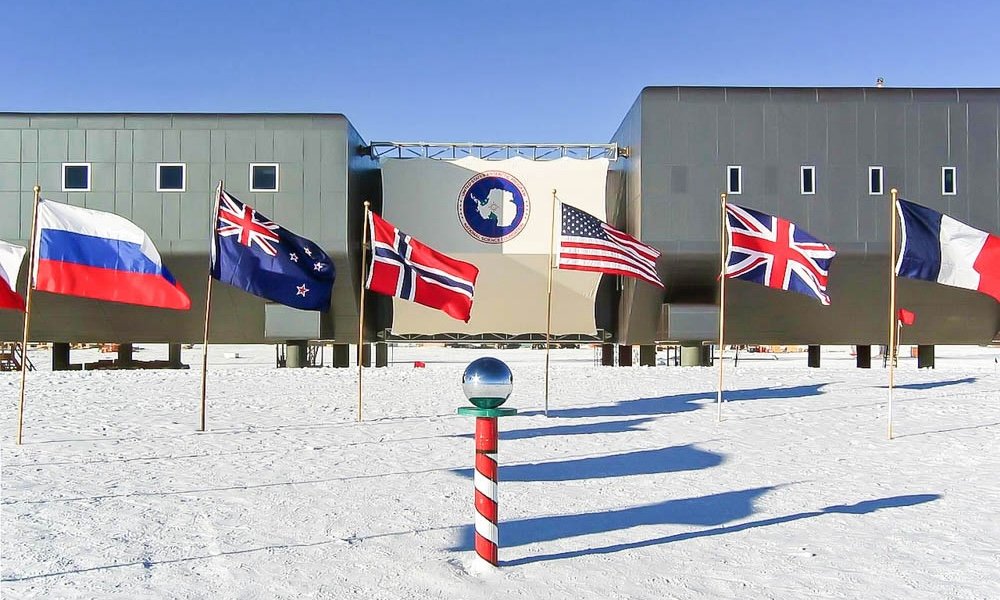
The Geographic South Pole marks the southernmost point on Earth, at 90° south latitude. Unlike most Antarctic destinations, it cannot be reached by standard cruises—it requires special expedition flights or overland journeys.

Why is it significant?

It is the exact point where all lines of longitude meet, and a major goal for explorers throughout history.

How can you get there?

By ski expeditions, specialized flights from Chile, or long overland crossings.

What makes it special?
Visitors can stand at the ceremonial South Pole marker and see research facilities operated by international scientists.

11. King George Island

11. King George Island

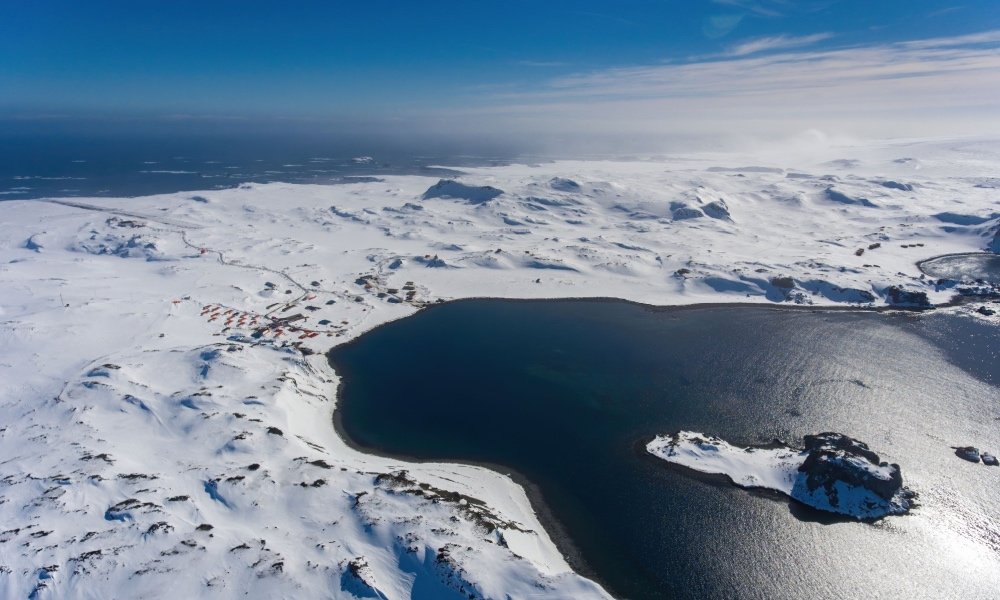
King George Island is part of the South Shetland Islands and often the first stop for cruises departing from South America. It is unique for its mix of research stations from different countries and easy access compared to deeper Antarctica.

Why is it popular?

Gateway to Antarctica with an international community of scientists.

What animals can I see?

Gentoo and Chinstrap penguins, plus seals along the coast.

What can visitors do?

Visit research stations, explore beaches, and experience the atmosphere of a polar outpost.

12. Drake Passage

13. Drake Passage

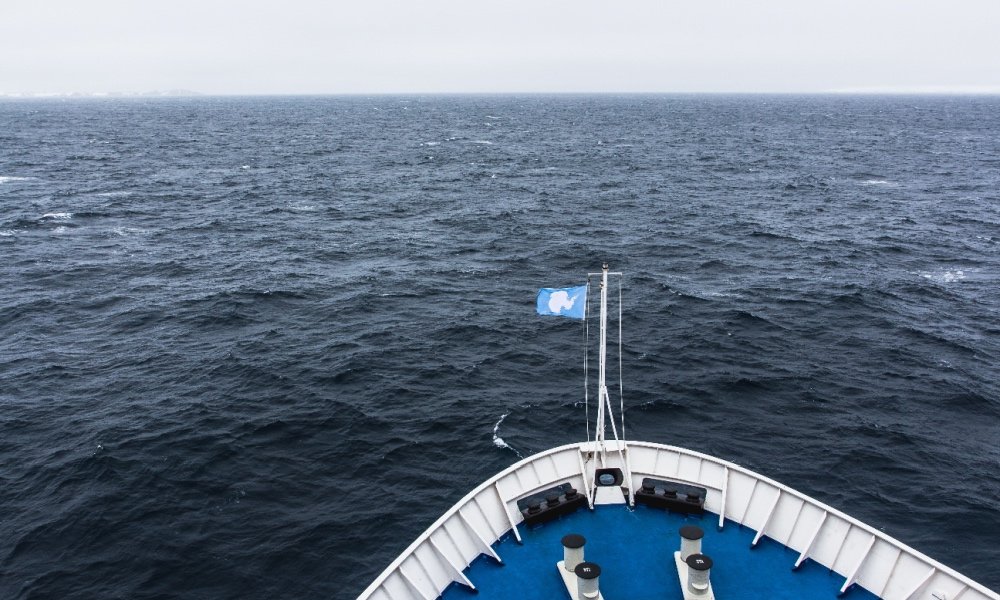
The Drake Passage is the stretch of ocean between South America and Antarctica, known as both a challenge and a rite of passage for travelers. It connects the Atlantic and Pacific Oceans with the Southern Ocean.

Why is it well known?

Rough seas and strong winds have made it legendary among explorers.

What can travelers expect?

Two days at sea, often with lectures and wildlife spotting from the ship’s deck.

What wildlife is seen?

Albatrosses, petrels, and sometimes whales accompany ships across the passage.

13. Antarctic Sound

14. Antarctic Sound

The Antarctic Sound lies at the tip of the Antarctic Peninsula and is often called “Iceberg Alley” for the massive tabular icebergs drifting through. Many cruises enter this region as part of their Antarctic itinerary.

Why is it popular?

Spectacular iceberg views and dramatic landscapes.

What animals can I see?

Adélie penguins and colonies of seabirds.

What makes it special?

The sheer size and variety of icebergs make it a highlight for photography and sightseeing.

Insider Tips

Famous Places by Theme

Which are the places to visit in Antarctica for exploring wildlife?

Which are the best places to stay in Antarctica?

It is not really possible to stay in permanent hotels in Antarctica. The main option for travelers is Antarctic cruise ships, which serve as the base for daily landings and exploration. For those seeking something truly exclusive, there are a handful of seasonal camps such as White Desert Camps, Union Glacier Camp, and even the South Pole Camp. These camps offer only a few hundred spots each season and come at a price of more than 50,000 USD per person.

Which are the most scenic places in Antarctica?

Which historic sites can you visit in Antarctica?

Best Time to Visit Antarctica

The ideal duration to visit Antarctica depends on the route and activities planned. Most Antarctic cruises last 10 to 14 days, covering highlights like the Antarctic Peninsula, South Shetland Islands, and sometimes the Falkland Islands. Longer expedition cruises of 3 weeks or more may include remote destinations such as South Georgia or the Ross Sea. Shorter fly-cruise options are available for travelers with limited time, focusing mainly on the Antarctic Peninsula.

Ideal Duration for an Antarctica Trip

The best time to visit Antarctica is during the austral summer, from November to March, when conditions are suitable for cruising.
This is also the only possible time to visit Antarctica. The best time within this period depends on what you want to see.

November–December

Fresh snow, pristine landscapes, and penguin courtship.

January–February

Warmest months with penguin chicks and the best whale sightings.

March

Stunning sunsets, fewer visitors, and excellent whale watching opportunities.

This period offers the ideal balance of weather, wildlife, and accessibility, making it the only season for most Antarctic expeditions.

Summary of Famous Places in Antarctica

Exploring famous places in Antarctica is a journey unlike any other, combining dramatic ice landscapes, historic exploration sites, and some of the most unique wildlife on Earth. From the penguin-filled shores of South Georgia to the icy passages of the Lemaire Channel and the remote beauty of the Ross Sea, each destination offers a different perspective of the White Continent. 

Exploring famous places in Antarctica is a journey unlike any other, combining dramatic ice landscapes, historic exploration sites, and unique wildlife. From the penguin-filled shores of South Georgia to the icy passages of the Lemaire Channel and the remote beauty of the Ross Sea, each stop offers a different perspective of the White Continent. You’ve just read the most reliable guide for planning your journey—now all that’s left is to secure your ticket and start getting excited for an unforgettable adventure.