4.61/5 Very good | Experts for Polar Expeditions

Solo Travel to Antarctica: A Complete Guide for Traveling Alone

Is it possible to go to Antarctica alone?

This guide is designed for travelers considering solo travel to Antarctica and looking for clear, practical answers before booking an expedition cruise.

“For solo travelers, it is not always easy to find a trip at a reasonable price. Some cruise operators charge a single supplement of up to 100%. It doesn’t have to be that way. Whenever possible, we reduce it to 0%.”

Meinhard Mooslechner

Polar Travel Expert

Which options are available for solo travelers?

The single cabin

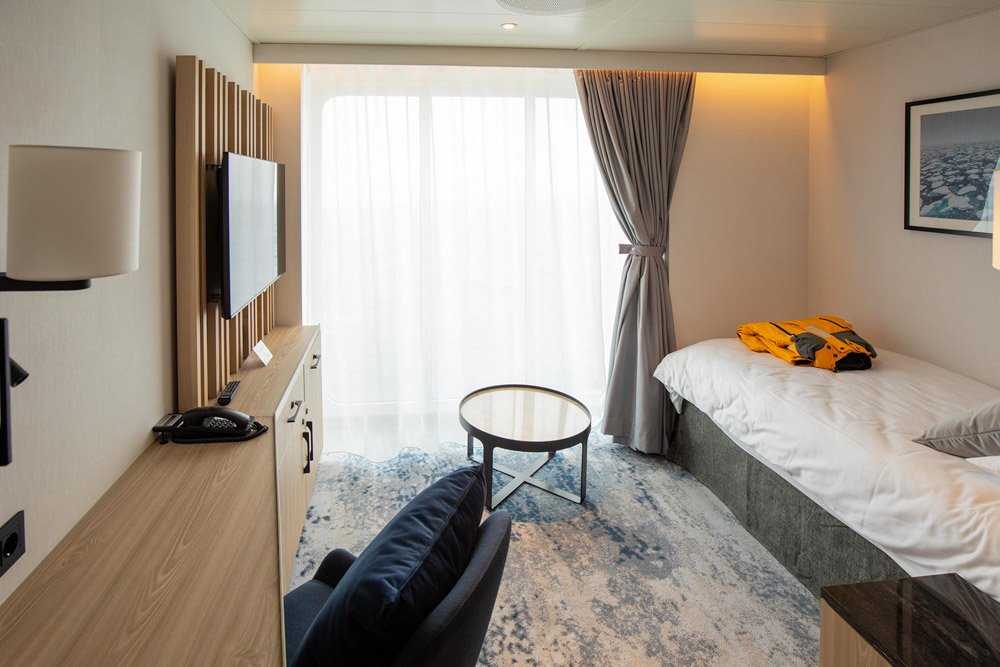
You travel in a private single cabin on an expedition ship, avoiding the single supplement while enjoying more personal space compared to a shared cabin.

The shared cabin

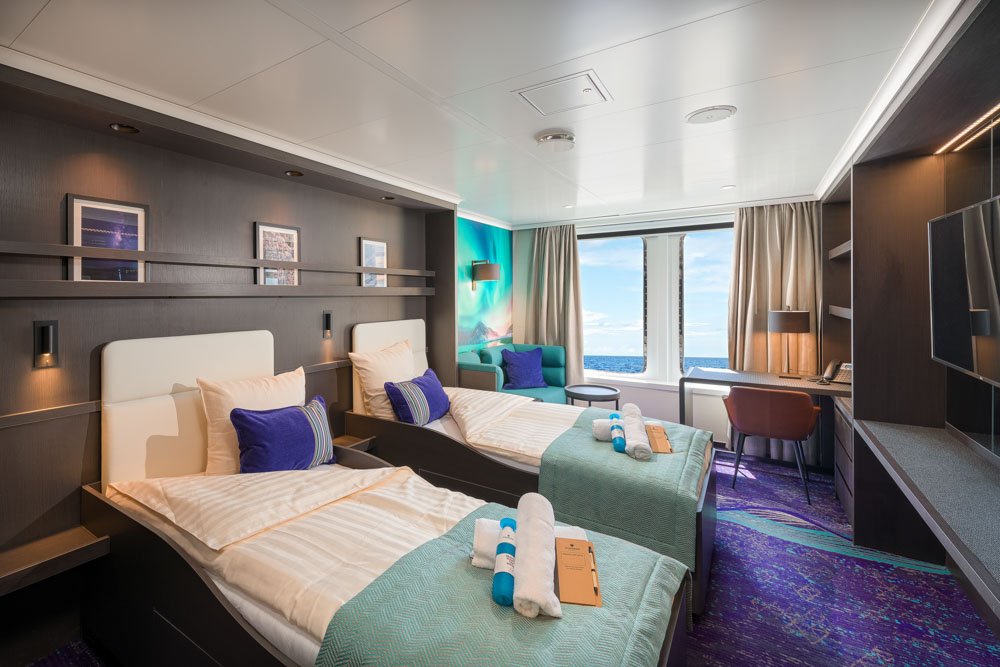
You share a twin, triple, or quad cabin with other passengers of the same gender, allowing you to avoid the single supplement and travel at the best possible price.

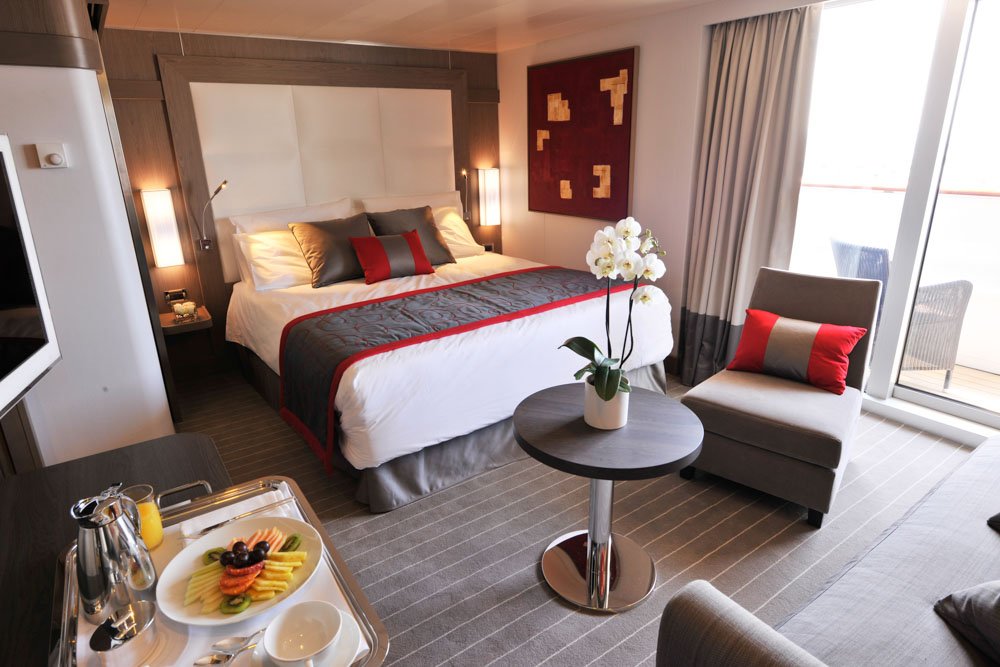
The double cabin for single use

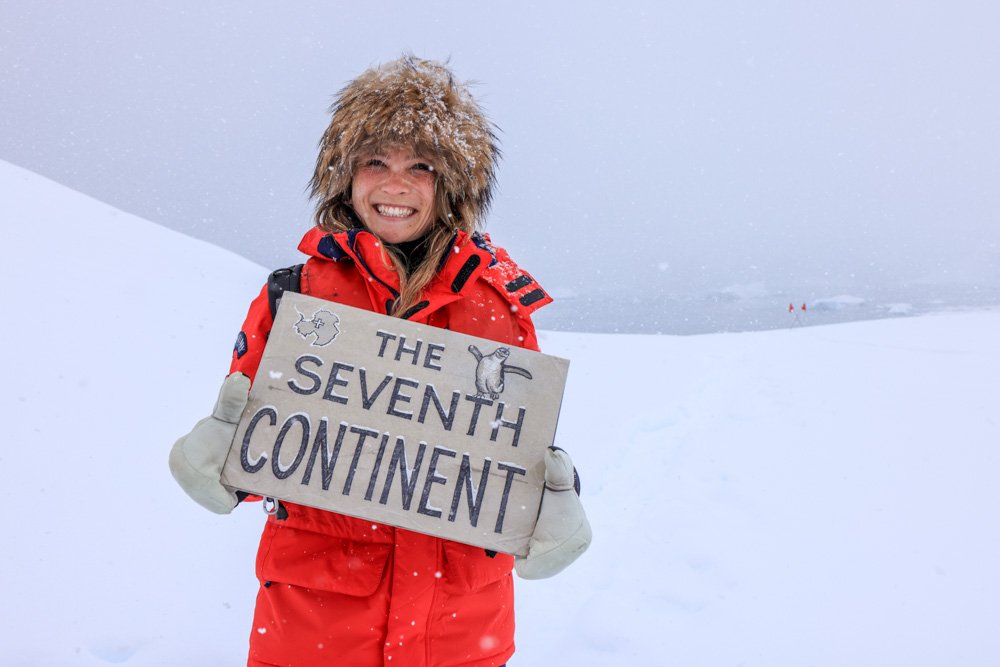
You book a double cabin for single occupancy with a supplement ranging from 0% to 100%, offering maximum comfort on board. Availability of zero-supplement offers depends on the ship and itinerary. The choice is yours. Contact us to plan your journey to the seventh continent without a single supplement.

“Booking a double cabin for single occupancy is possible on all ships available on our platform. Offers without a single supplement depend on the season and the cruise operator. We know where to find them.”

Daria Startseva

Polar Travel Expert

What is it like to travel solo to Antarctica?

Solo travel to Antarctica is more common than you might think

Around 10% to 30% of passengers on Antarctica expedition cruises travel alone, proving that this journey is not just for couples or groups.

Expedition cruises are designed for connection and comfort

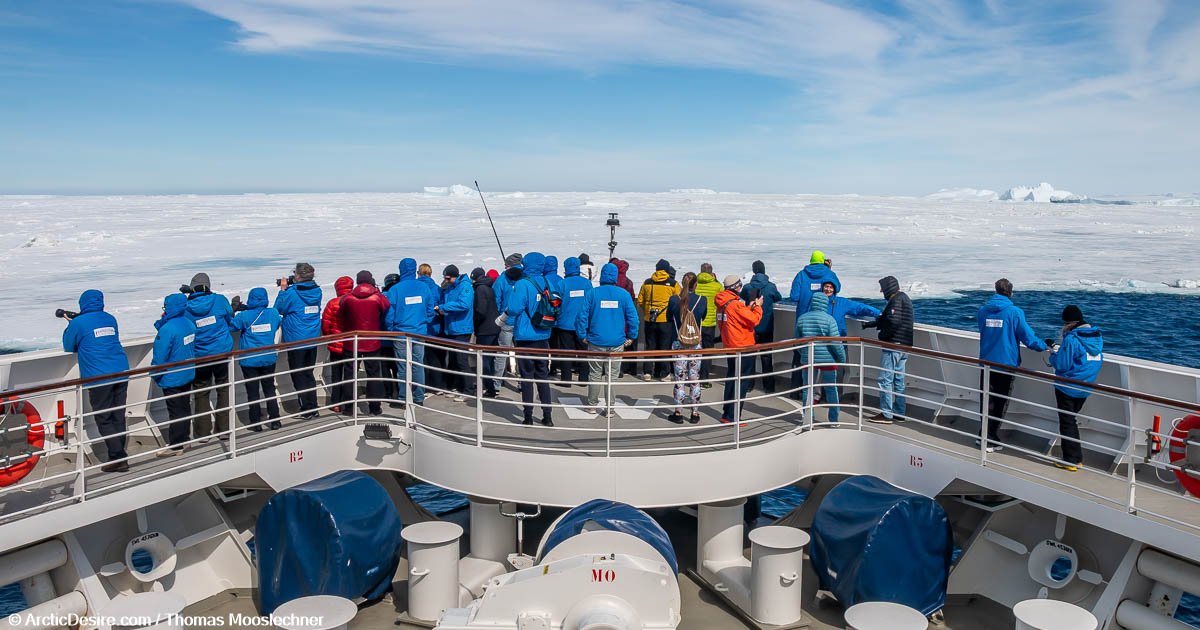
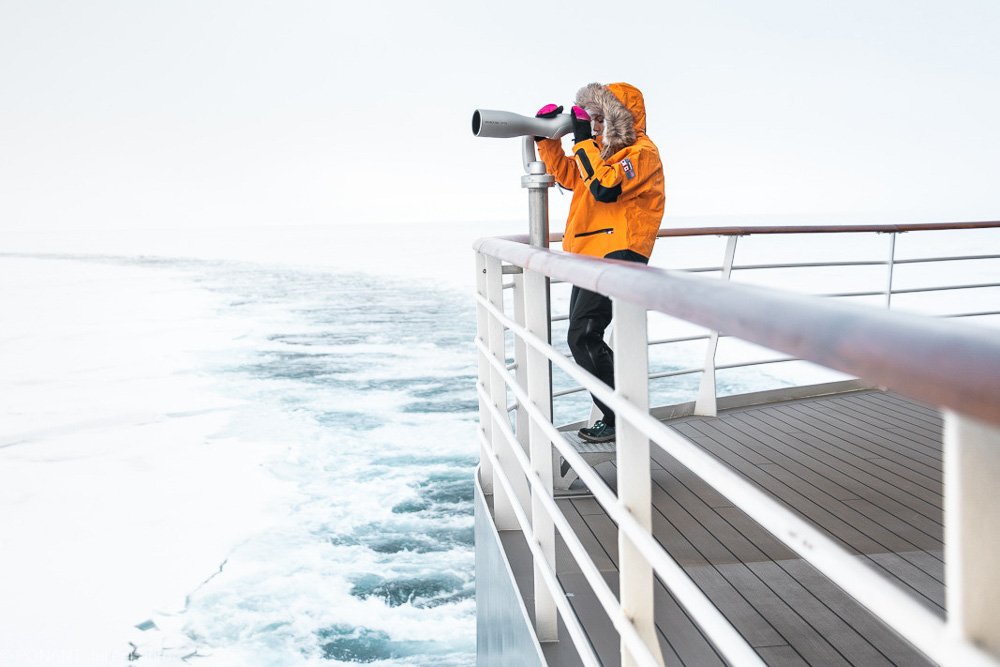
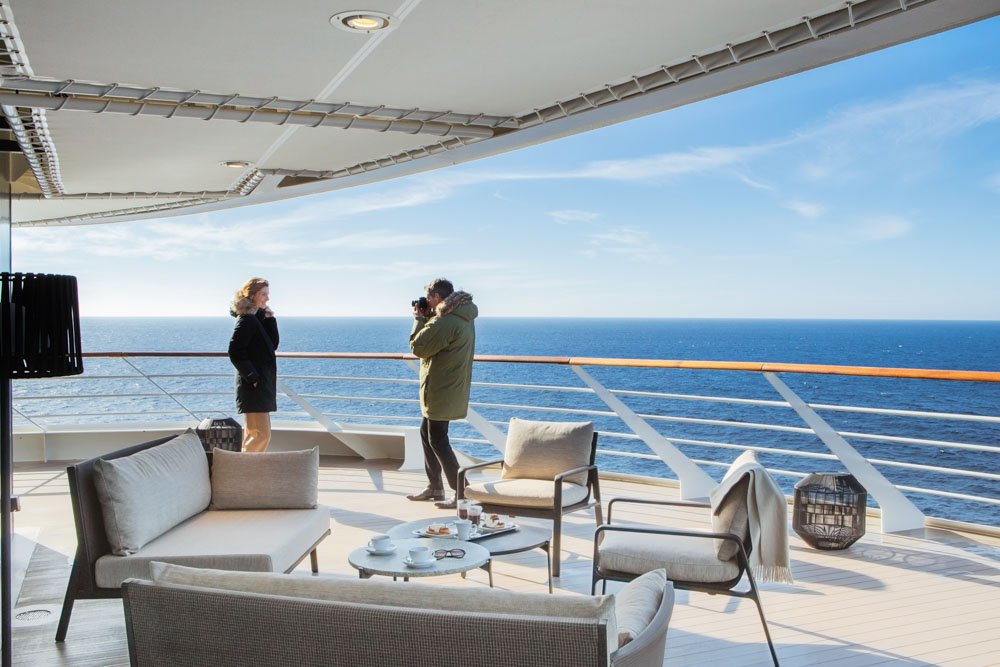
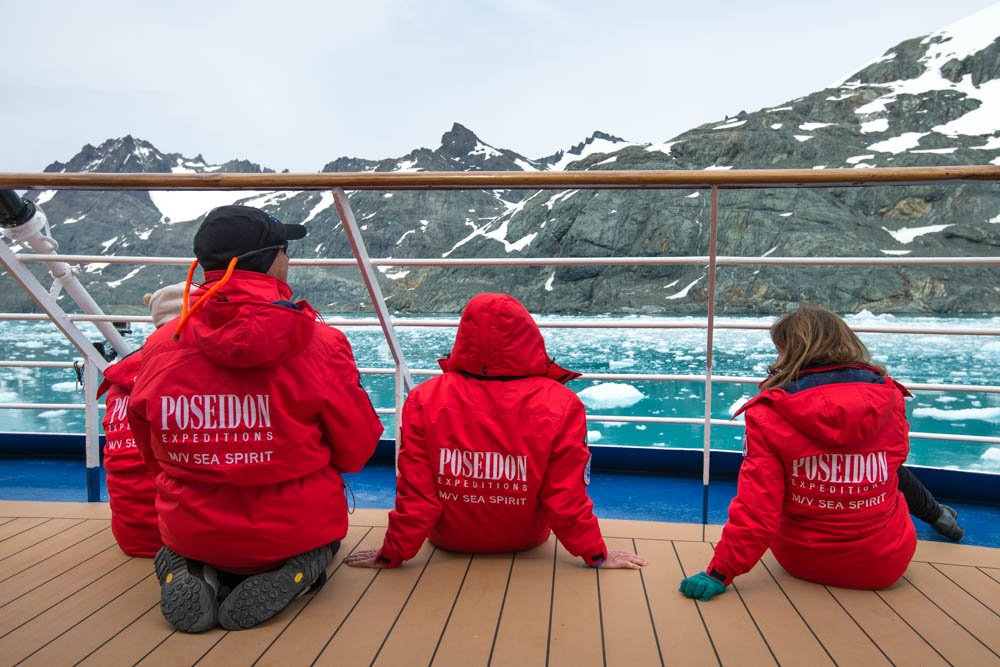
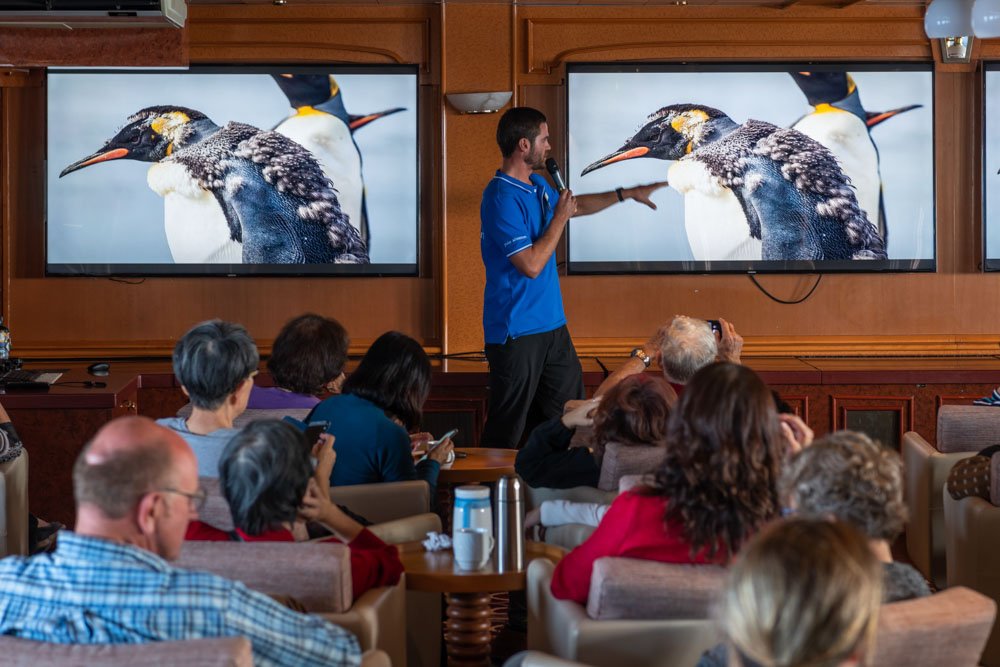
Modern Antarctica cruises offer shared spaces such as observation decks, onboard libraries, saunas, restaurants, and expert-led lectures, giving solo travelers the freedom to socialize or enjoy quiet moments whenever they choose.

Shared adventures bring people together naturally

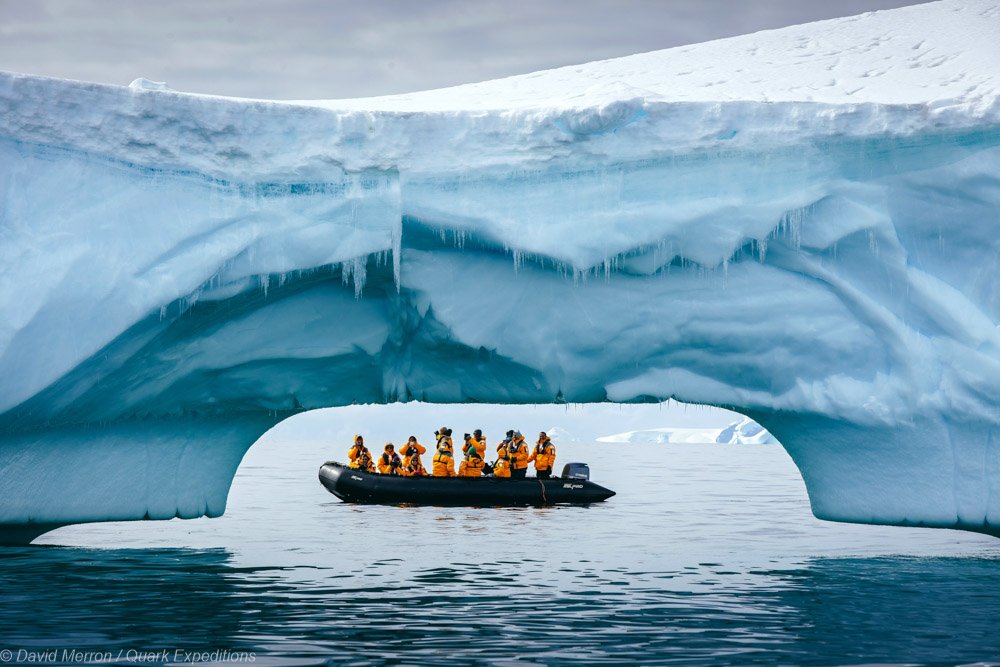
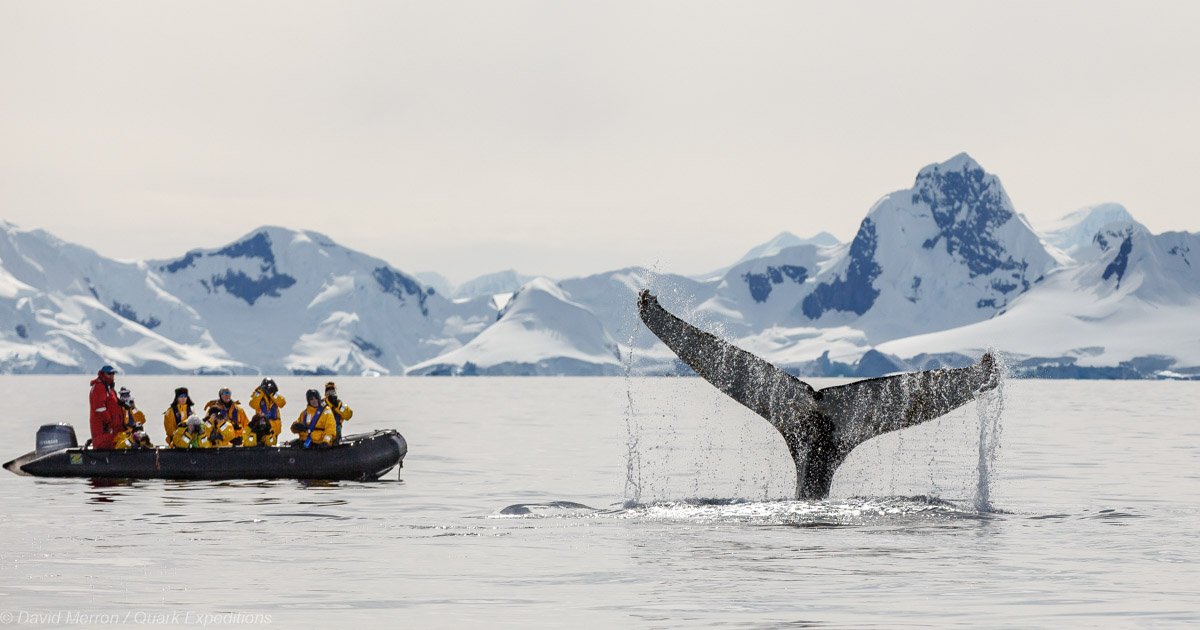
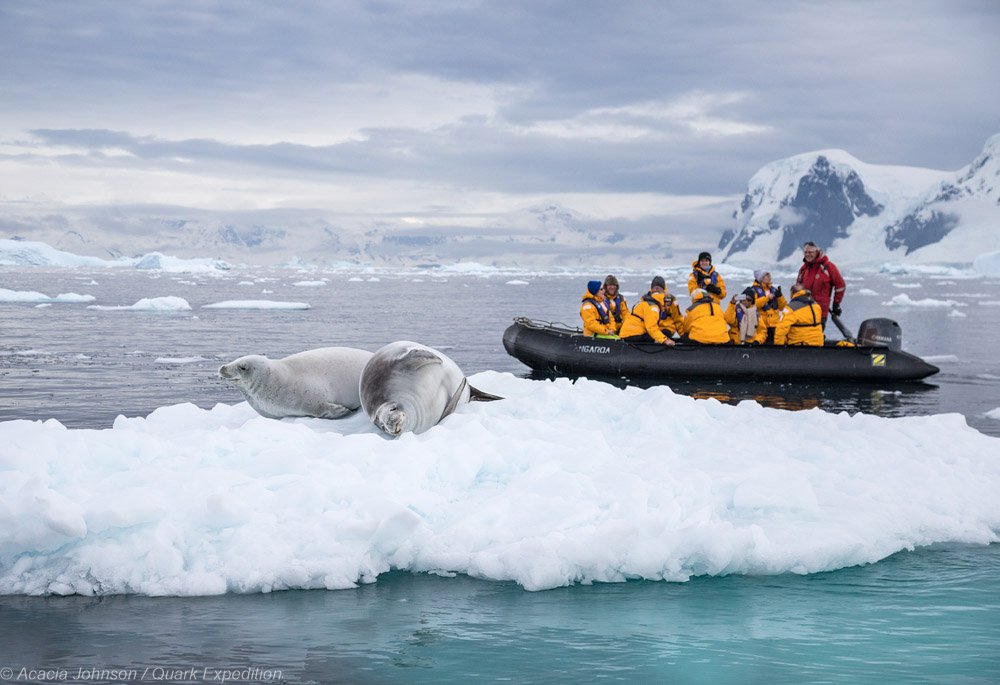
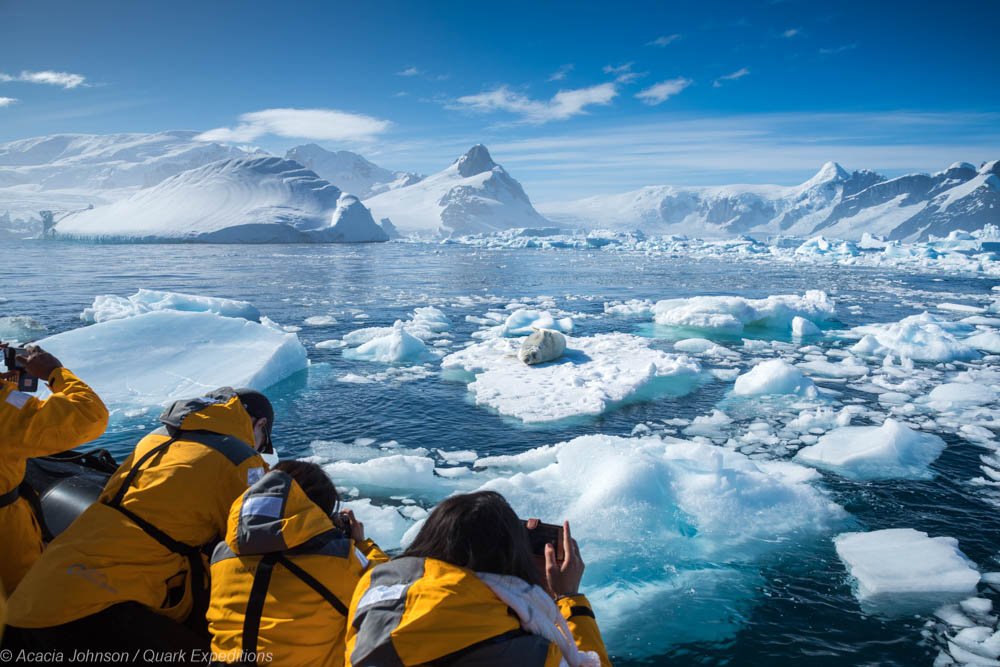
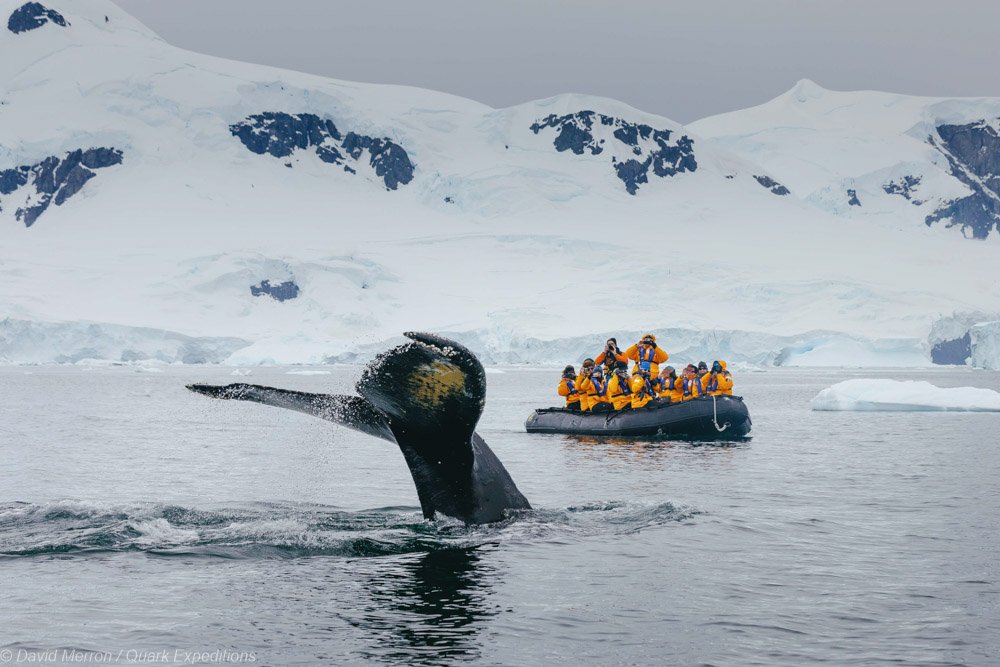
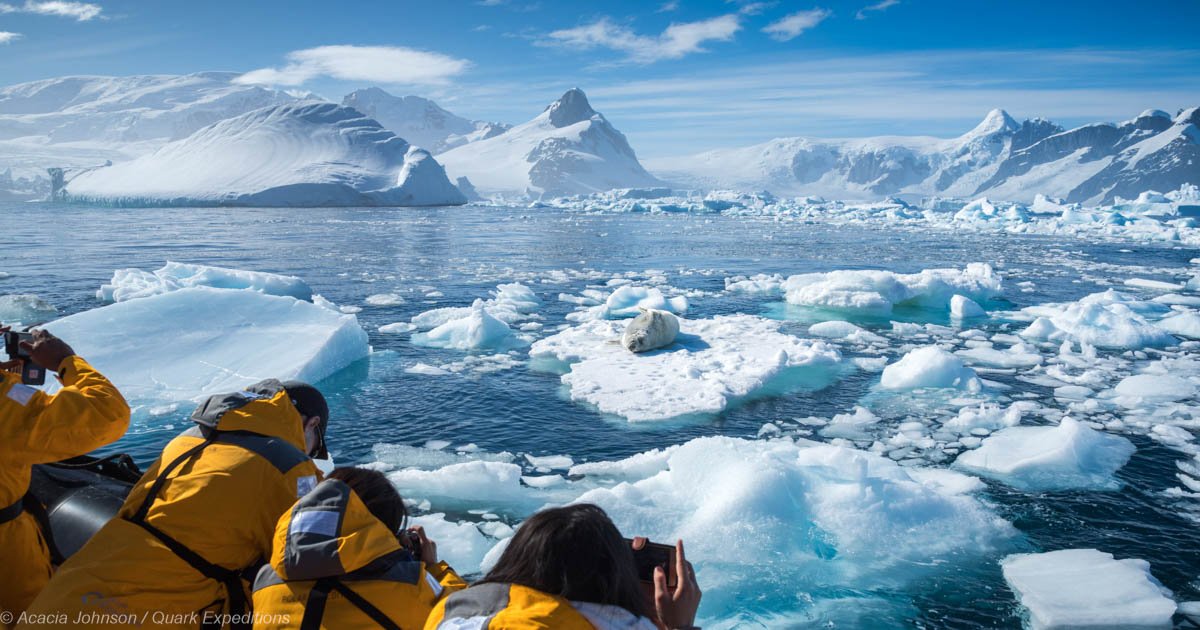
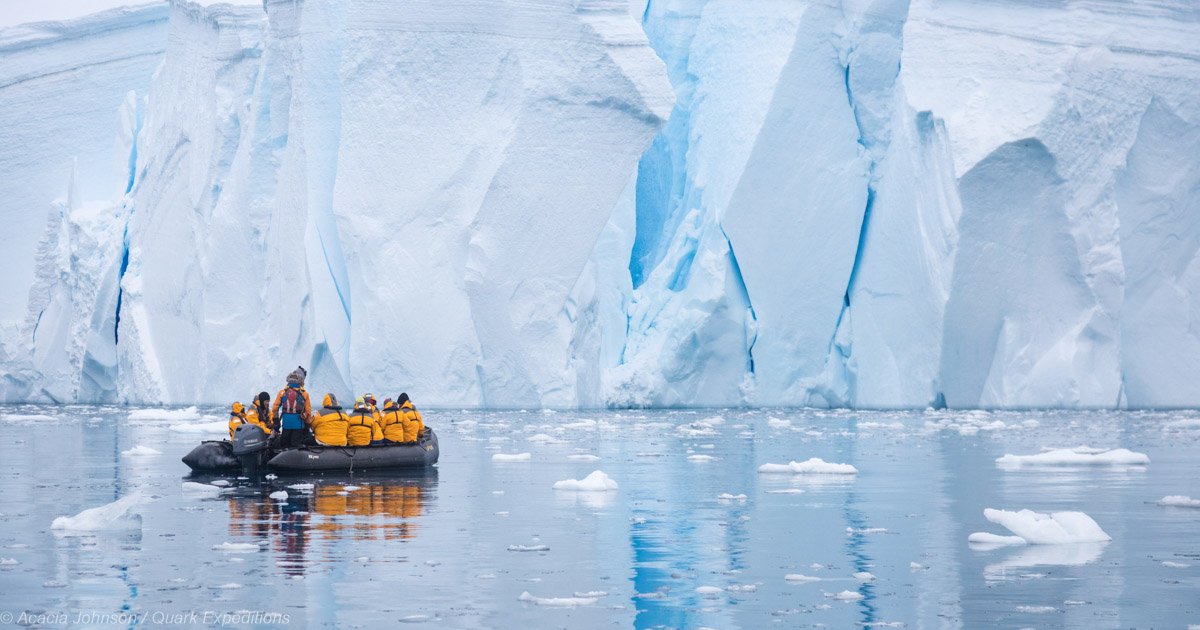
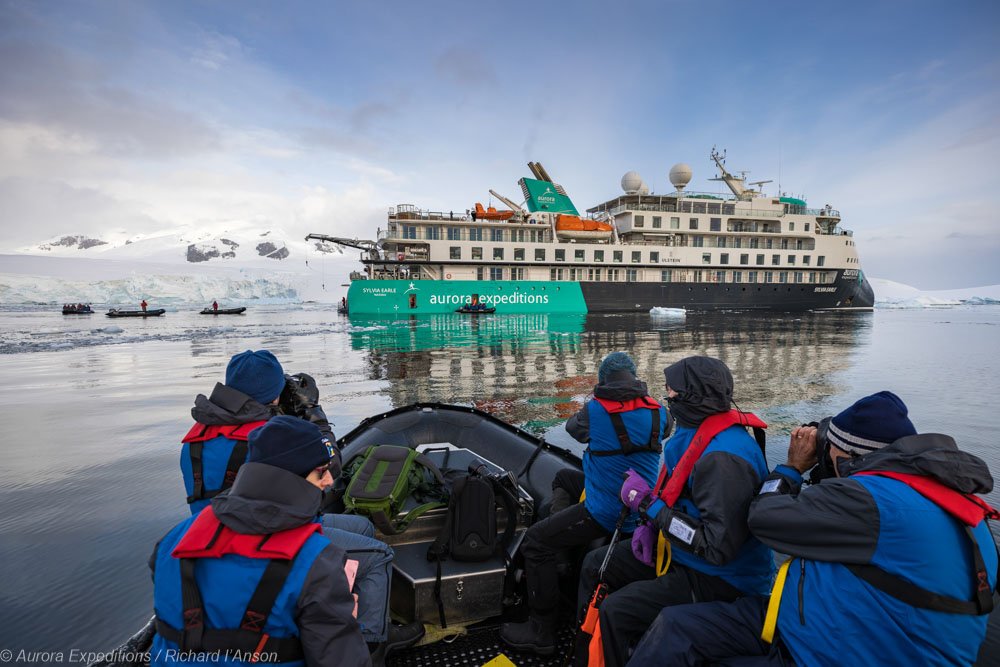
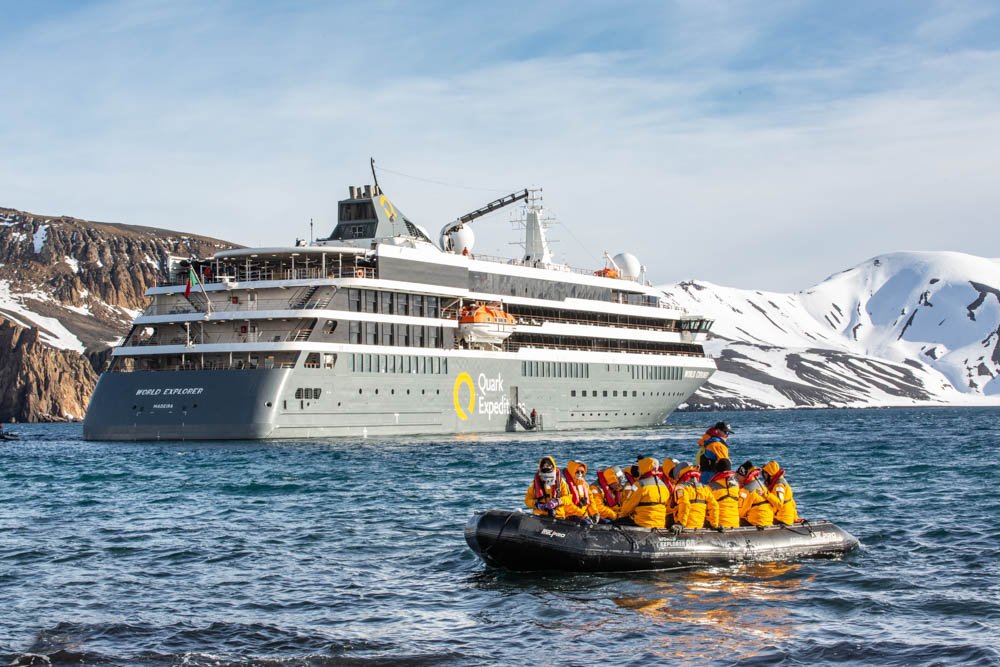
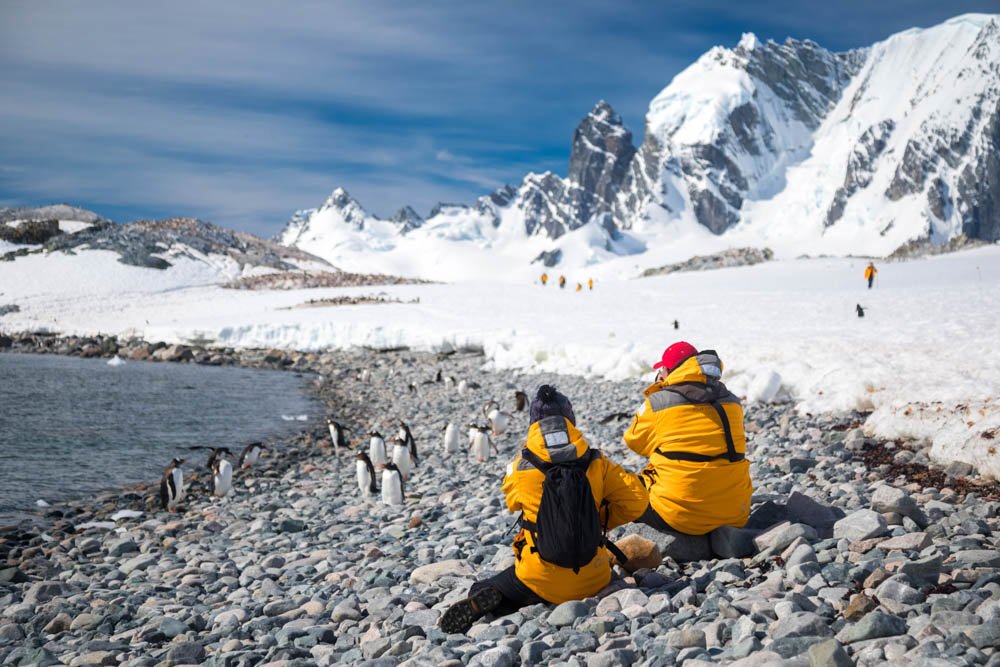
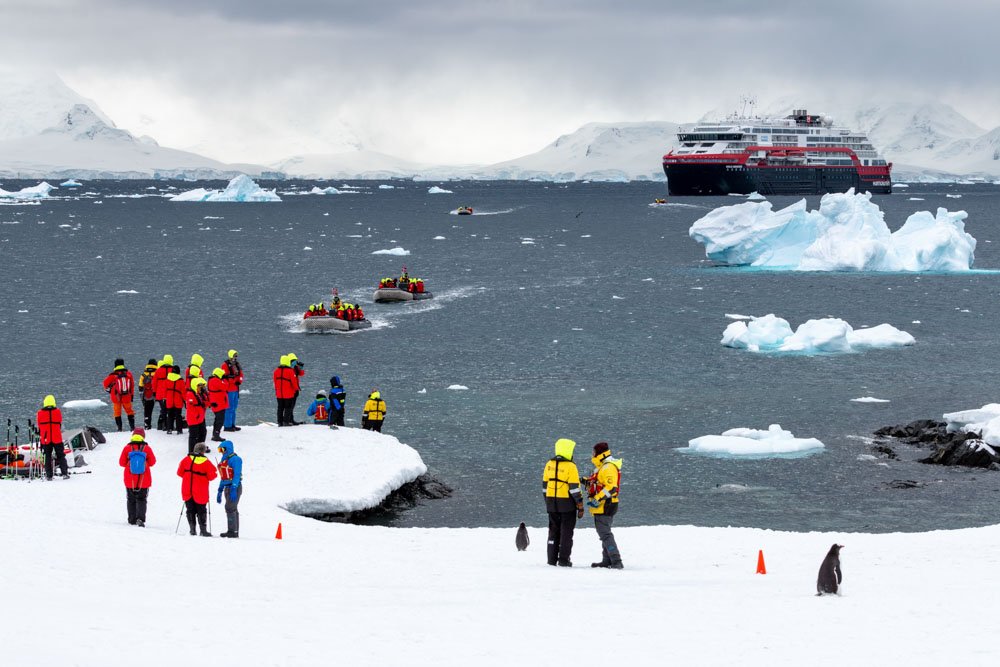
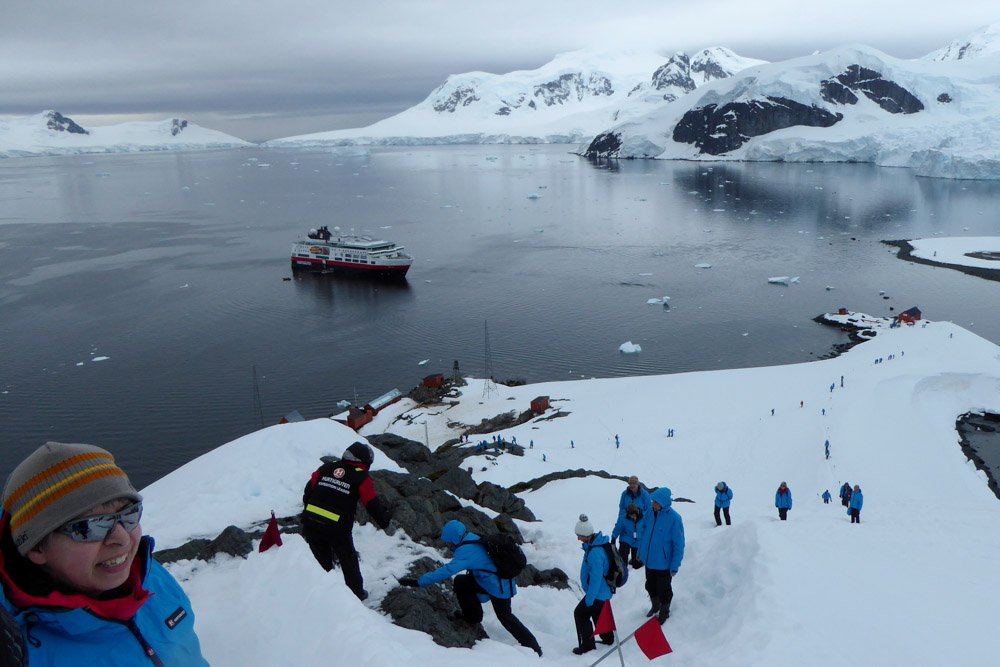
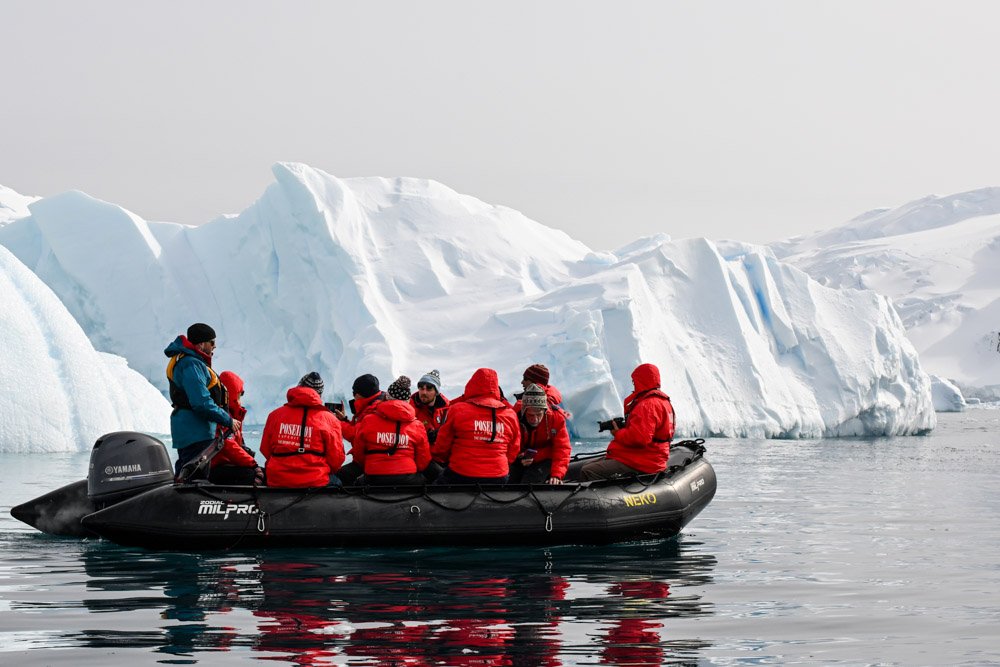
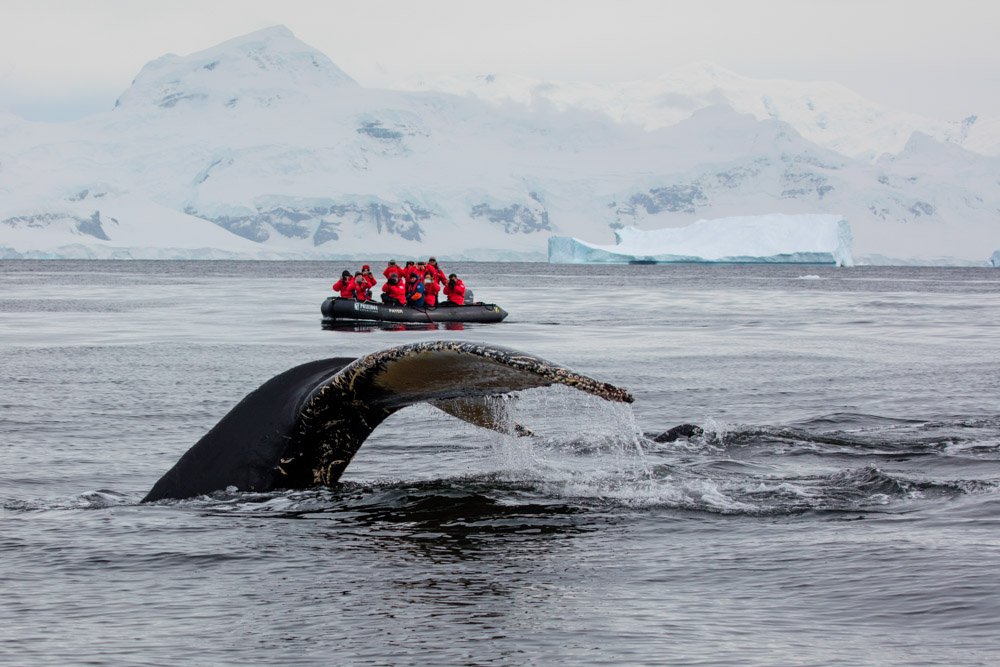
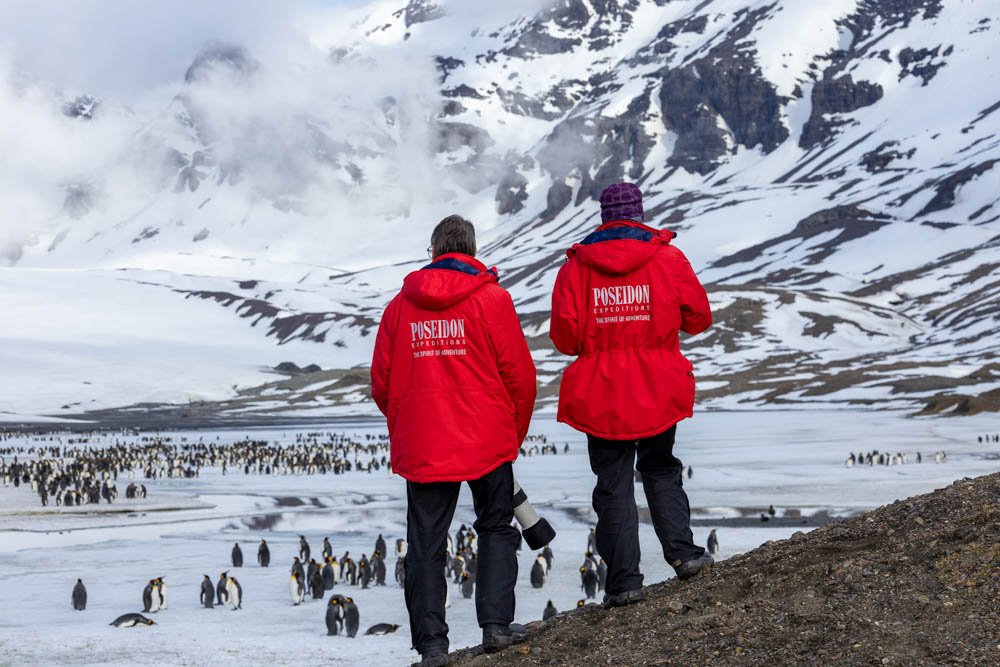
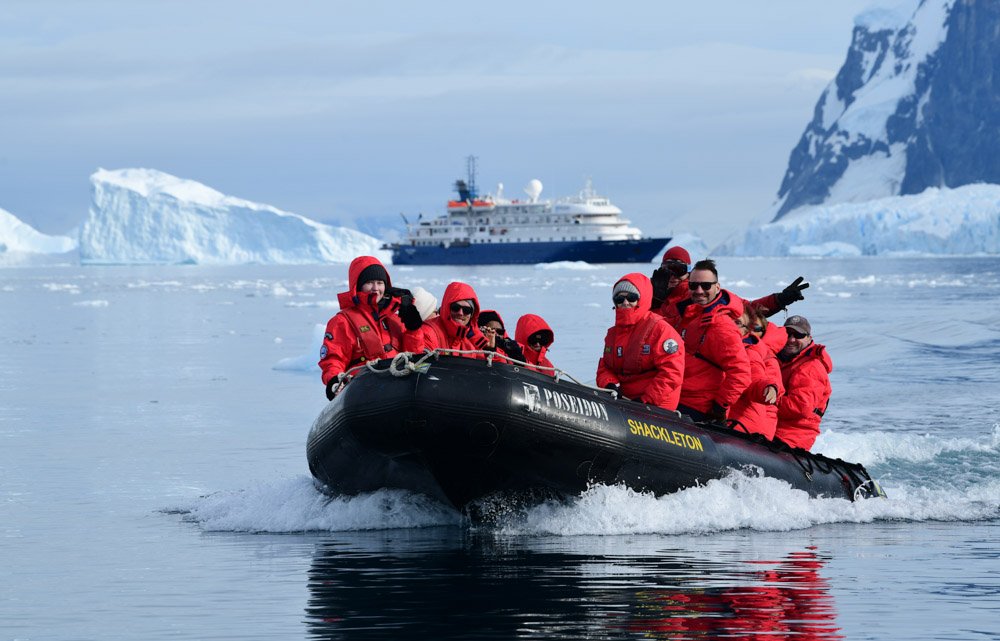
Zodiac landings, wildlife encounters, and daily excursions quickly turn solo travelers into a close-knit group, with plenty of shared experiences to spark conversations from day one.

Crews actively support solo travelers

Many expedition teams organize informal meetups, seat solo guests together at dinner upon request, and thoughtfully arrange Zodiac groups to help travelers connect more easily.

You decide how solo your journey feels

In Antarctica, you can enjoy complete independence or meaningful connections or both. The balance is entirely yours.

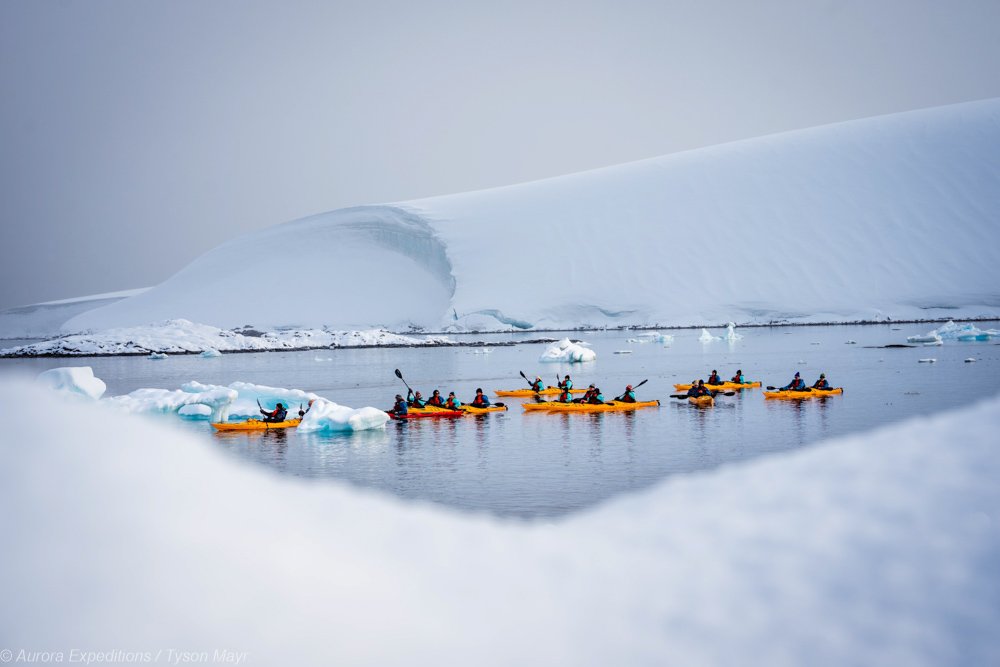
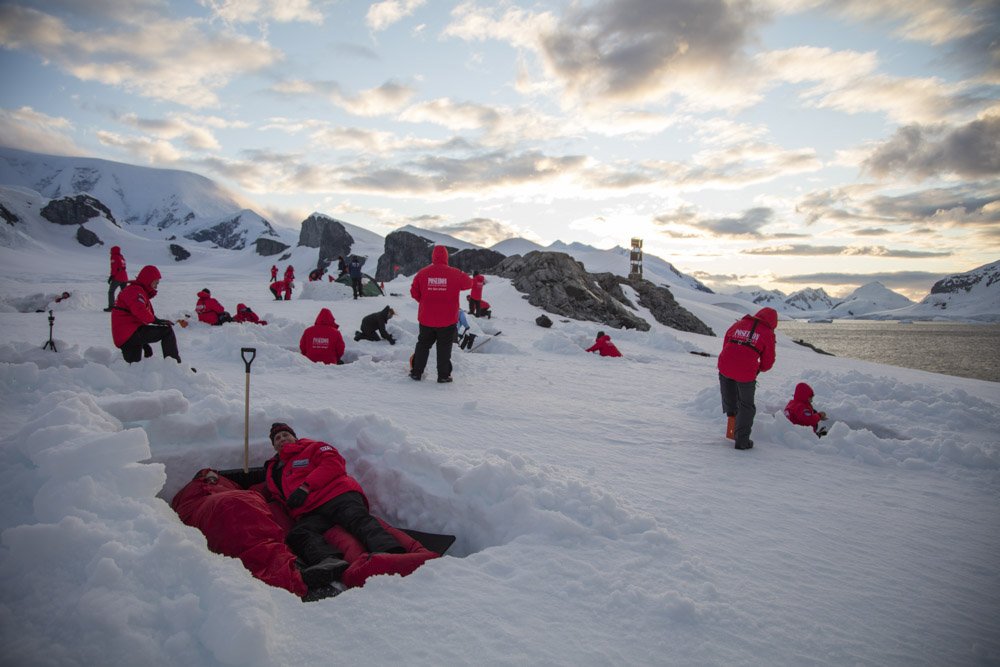
Adventure Activities for Solo Travel to Antarctica

“You will always receive a best-price offer directly from the cruise operator, along with additional concierge-style support from polar experts. This ensures you travel to Antarctica fully prepared.”

Meinhard Mooslechner

Polar Travel Expert

Ready for the adventure of a lifetime?

Get in touch with us today and receive independent advice from dedicated polar specialists who will support you throughout the entire process—from selecting the right cruise to booking and final trip preparation. Here’s how it works:

Listen & Advise

We take the time to understand your wishes and recommend the ships, routes, and price options that best match your expectations.

Reserve & Relax

Your cabin is reserved for at least 72 hours, giving you time to review details and finalize your plans without pressure.

Prepare & Explore

You receive expert packing advice, insider tips, and practical guidance to ensure you depart fully prepared for Antarctica.

Is Solo Travel to Antarctica Safe?

Solo travel to Antarctica is often perceived as risky, mainly because of the continent’s remoteness. In reality, traveling alone on an Antarctica expedition cruise is one of the safest ways to experience such an extreme destination.
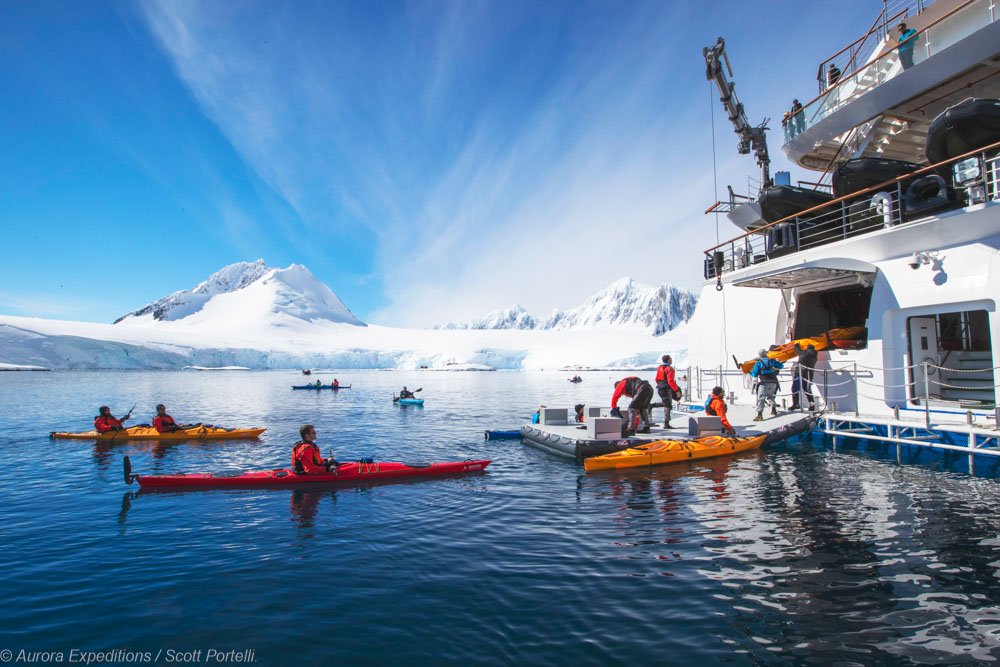
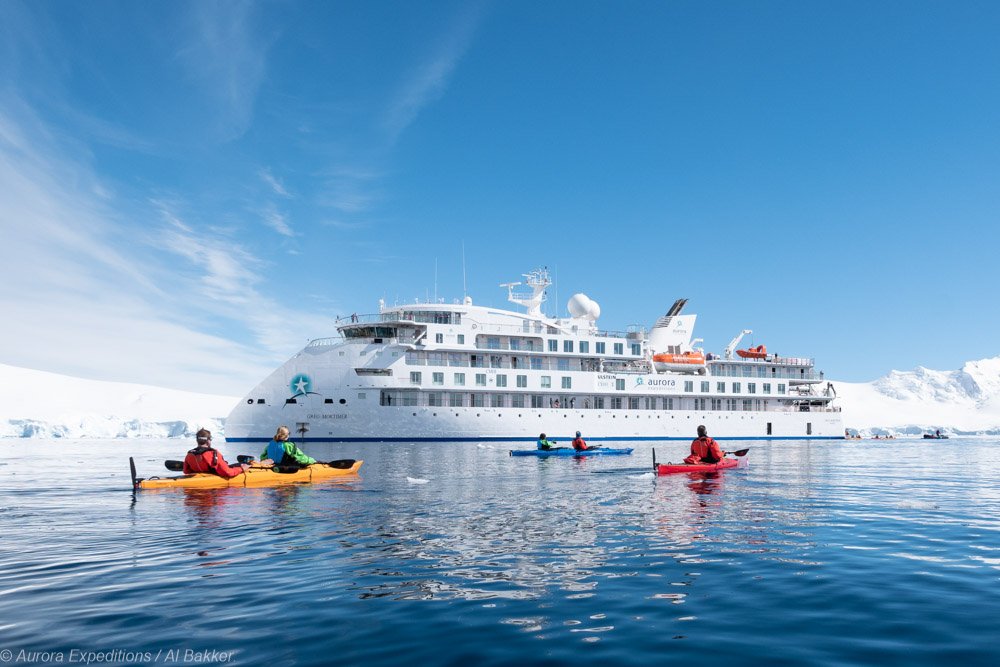
All voyages operate under strict international regulations and are led by highly experienced crews. Expedition leaders, polar guides, and onboard medical staff accompany every landing and activity, ensuring that passengers are never truly on their own. Daily routines are carefully structured, from Zodiac landings to wildlife excursions, providing a strong sense of organization and security.

For solo travelers, this means freedom without isolation. You travel independently, yet within a controlled environment where safety procedures, expert supervision and group coordination are always in place.

7 Practical Things to Know Before You Go: Solo Travel to Antarctica

  1. You won’t actually be alone: Although you are traveling solo, Antarctica expedition cruises are highly social by nature. Daily landings, briefings, and shared meals create constant interaction, making it easy to connect without feeling forced.
  2. Cabin choice affects both comfort and cost: Single cabins, shared cabins, and double cabins for single use all come with different price points. Understanding these options early helps you balance privacy, budget, and availability.
  3. Single supplements are not fixed: Many solo travelers assume a high surcharge is unavoidable, but this is not always true. Depending on the ship, route, and season, reduced or even zero single supplement offers may be available.
  4. Flexibility can save you money: Being open with travel dates, departure ports, or cabin categories significantly increases your chances of finding better-value Antarctica cruises as a solo traveler.
  5. You don’t need prior expedition experience: No previous polar or expedition travel experience is required. All activities are guided, safety briefings are mandatory, and the pace is designed for travelers with different fitness levels.
  6. Packing right matters more than packing more: Antarctica travel is about smart layering, not quantity. Expedition operators provide guidance on clothing and gear, helping solo travelers arrive well prepared without overpacking.
  7. Expert advice makes a real difference: Solo travel to Antarctica involves many variables, from cabin availability to route-specific wildlife sightings. Independent advice from polar specialists can help you avoid common mistakes and plan o

FAQ About Solo Travel to Antarctica

Technically, it is possible to sail to Antarctica alone, but it is extremely challenging and not recommended for most travelers. Solo sailing requires advanced polar navigation skills, a reinforced vessel, official permissions, and full self-sufficiency in one of the harshest environments on Earth. For this reason, solo travel to Antarctica is almost always done via organized expedition cruises, which provide safety, logistics, and legal compliance.
For solo travelers, prices can be affected by single supplements, although shared cabins and selected departures with reduced or zero supplements can significantly lower the overall cost. Longer expeditions and higher-end vessels usually come at a higher price point.

Individual travelers do not usually need to apply for permission themselves when joining an expedition cruise. Tour operators handle all required permits and environmental regulations under the Antarctic Treaty System and IAATO guidelines. Obtaining permission independently for private or solo expeditions is complex, time-consuming, and involves strict environmental, safety, and insurance requirements.

Yes, a normal civilian can absolutely go to Antarctica. No special background, profession, or expedition experience is required. Most visitors reach Antarctica by joining a guided expedition cruise, where all activities are supervised by experienced polar teams. As long as you are in reasonable health and follow safety guidelines, Antarctica is accessible to adventurous travelers from all walks of life.

Not all Antarctica cruise ships offer dedicated solo cabins. Many vessels are designed primarily with twin or double cabins, which means solo travelers may be charged a single supplement when booking alone. The availability and size of single supplements vary widely by ship, operator, season, and itinerary, making expert guidance especially helpful for finding the best solo-friendly options.

Private cabins are limited in number on expedition ships, and space on board is carefully optimized for safety and operations. When a solo traveler books a double cabin alone, the cruise operator effectively loses the chance to sell the second berth, which is why single supplements can be high. On certain departures, however, reduced or zero single supplements may be available depending on demand and timing.

Meals on Antarctica expedition cruises are usually served in shared dining areas with open seating. As a solo traveler, you will dine alongside fellow passengers, guides, and expedition staff. Many solo travelers enjoy this social setup, and crews are often happy to seat solo guests together upon request, making meals a natural time to connect.

Choosing between a twin, triple, or quad cabin mainly depends on your comfort preferences and budget. Twin cabins offer more personal space and storage, while triple and quad cabins are typically more economical. All shared cabins are gender-matched, and many solo travelers find that sharing helps reduce costs without significantly impacting the overall experience.

Shared cabins on Antarctica expedition ships are compact but efficiently designed. Each passenger has their own bed, storage area, and access to shared bathroom facilities, depending on cabin type. While space is limited, most travelers spend the majority of their time in communal areas or on excursions, making shared cabins a practical and comfortable option for solo travel to Antarctica.