
What Is the Drake Passage?
The Drake Passage is a narrow stretch of ocean between South America and Antarctica, separating Cape Horn from the Antarctic Peninsula. It connects the Atlantic and Pacific Oceans and is considered the southernmost sea crossing in the world.
What makes the Drake Passage famous is its powerful weather system. Strong winds, fast-moving currents and open ocean conditions allow waves to build without obstruction, giving the passage its reputation as one of the roughest seas on Earth.
For travelers heading to Antarctica by ship, crossing the Drake Passage is a necessary and iconic part of the journey. It typically takes around two days and marks the true transition from the inhabited world to the remote Antarctic wilderness.
Why is Drake Passage so Dangerous?
Do you dream of experiencing Antarctica’s untouched wilderness, from towering icebergs and glaciers to penguins and dramatic polar landscapes?
The journey there leads across the legendary Drake Passage, one of the roughest sea crossings in the world.
For many travelers, crossing the Drake Passage is the greatest challenge of the trip. Powerful waves, rapidly changing weather, and the uncertainty of what awaits can feel intimidating.
- How rough is the crossing really?
- How can you travel safely and comfortably?
- And once you arrive, how do you actually step onto the Antarctic continent?
This guide explains what to expect when crossing the Drake Passage and how Antarctica cruise expeditions make this journey possible.
Popular Drake Passage Cruises
With AntarcticaCruiseInfo.com you have a selection of all renowned shipping companies at the best price with the security of Polar Travel Experts for your expedition.



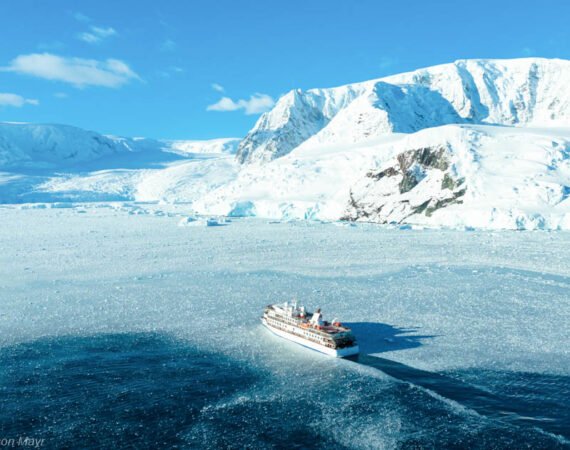
Is it safe to go through the Drake Passage?
Crossing the Drake Passage on an expedition cruise ship usually takes about 48 hours, depending on weather and sea conditions.
While the infamous “Drake Shake” has a fearsome reputation, most travelers experience much calmer seas, with fewer than one in four crossings being truly rough.
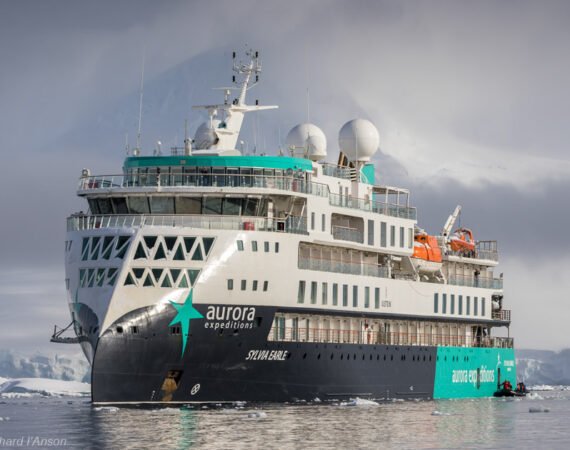
Modern expedition ships are built for comfort, using advanced underwater stabilizers and some feature X-Bow hull designs that further reduce wave motion.
The Drake Passage is often seen as part of the adventure, offering wildlife sightings on deck, expert-led lectures and the excitement of spotting your first iceberg.
For travelers short on time or concerned about seasickness, Fly & Cruise itineraries avoid the Drake Passage entirely by flying directly to Antarctica to join the cruise.

No need to worry! We have the solution for you. With an expedition cruise across the Drake Passage, your dream of reaching Antarctica becomes reality. As polar travel experts at AntarcticaCruiseInfo.com, we show you how to not only manage this journey, but turn it into one of the most unforgettable highlights of your trip.
Daria Startseva
Polar Travel Expert
Why Choose an Expedition Cruise Through the Drake Passage?
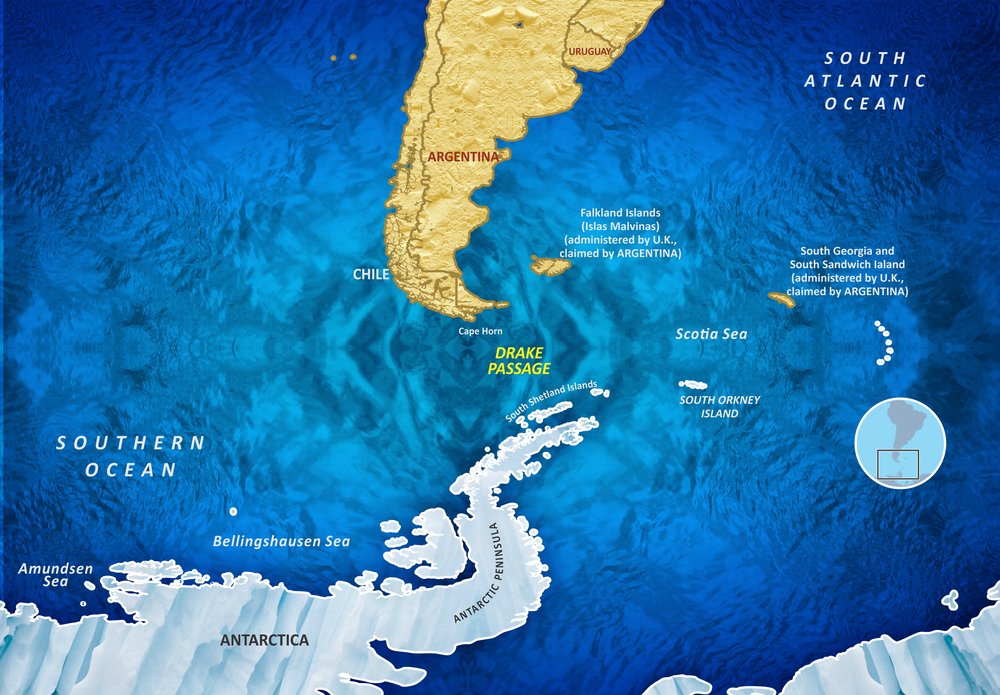
The Drake Passage Connects the Americas with Antarctica
The Drake Passage links the Atlantic and Pacific Oceans and separates South America from Antarctica. It is notorious for its rough conditions, but this is precisely what makes the crossing such a unique and memorable adventure.
Sailing through these waters is more than just a crossing. It is the gateway to the seventh continent. However, not all cruises are the same. Here is why an expedition cruise is the best way to experience the Drake Passage and reach Antarctica.
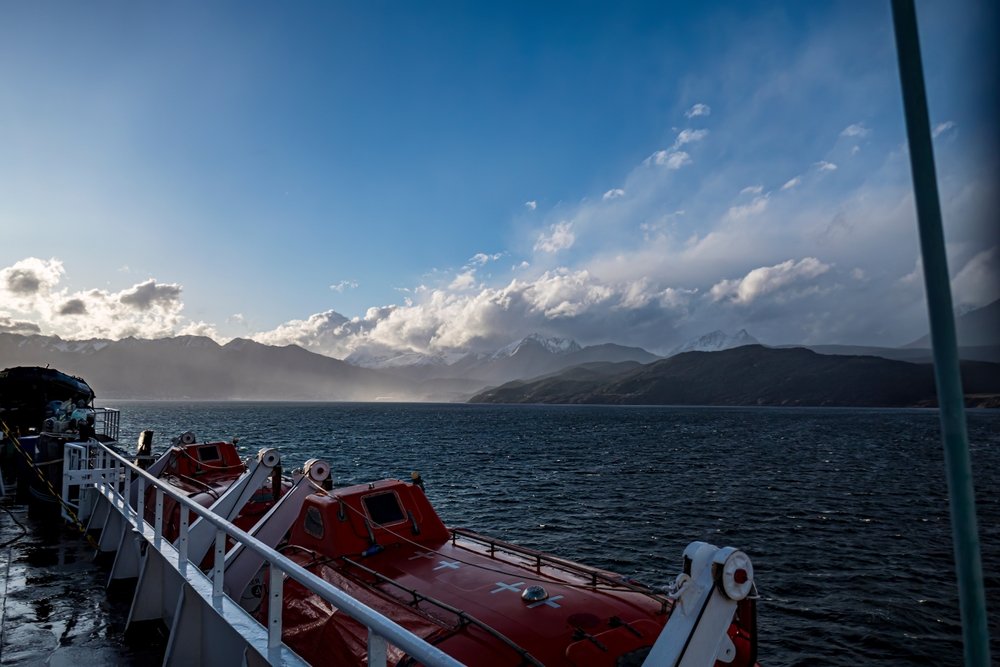
Small Polar Ships for Deeper Experiences
Large cruise ships carrying thousands of passengers face strict limitations in Antarctica. Only 100 people are allowed ashore at one time, and vessels with more than 500 passengers are not permitted to land at all.
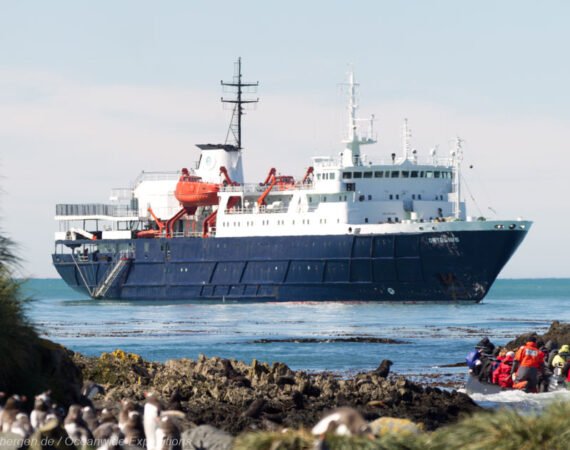
Expedition ships with a maximum of around 200 guests offer significantly more time on land, closer access to natural highlights, and a more immersive experience without long waiting times.

Safety, Comfort and Exceptional Wildlife Encounters
Modern polar expedition ships are purpose-built for the Drake Passage. Thanks to decades of experience, operators such as Hapag-Lloyd Cruises, Poseidon Expeditions, and Quark Expeditions provide high levels of comfort even in heavy seas, using specially designed oversized stabilizers.
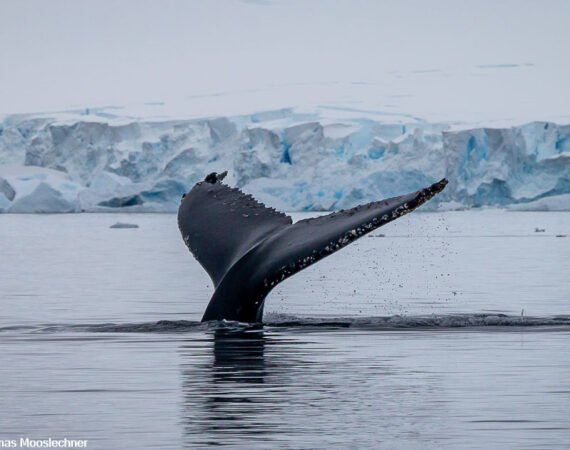
With highly experienced crews who know these waters inside out, you can relax as you approach Antarctica. From your cabin or the deck, you may spot whales, albatrosses, and seals, making the journey itself a defining part of the expedition.

Your adventure is calling. The gateway to untouched Antarctica is within reach. Take the first step and secure your cruise through the Drake Passage with AntarcticaCruiseInfo.com. Call us or use our contact form to explore available options and start planning your journey.
Meinhard Mooslechner
Polar Travel Expert
What Awaits You After Crossing the Drake Passage?
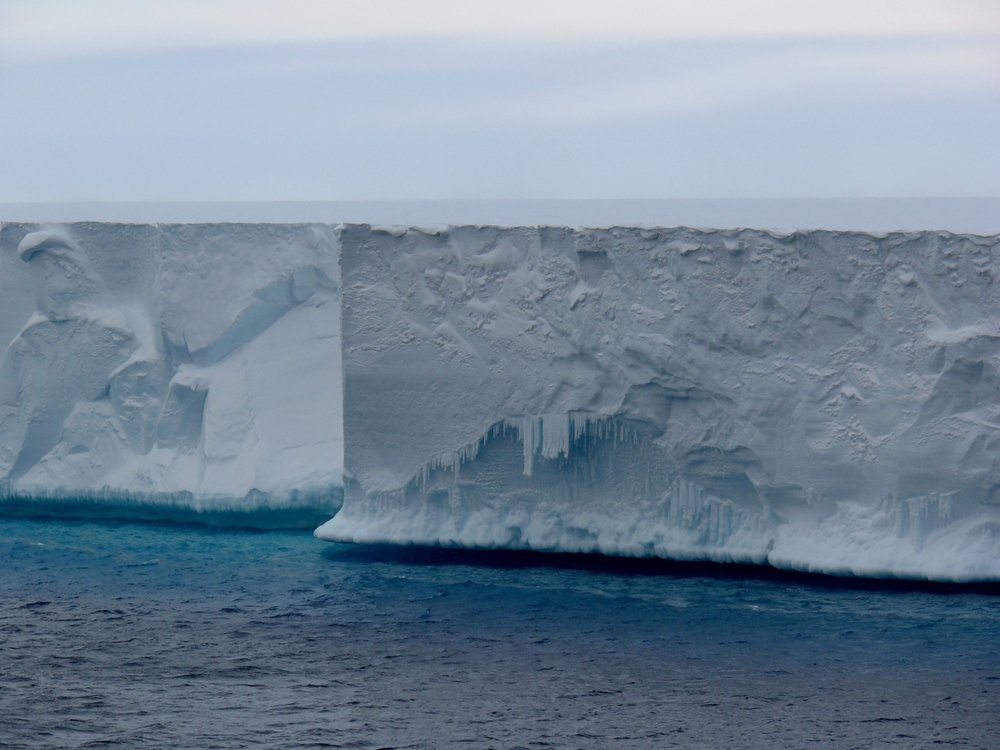
First icebergs on the horizon
As soon as the Drake Passage is behind you, the ocean calms and the first icebergs appear. This is often the moment when Antarctica truly feels real.

Wildlife encounters up close
Zodiac landings bring you face to face with penguins, seals, and seabirds in their natural habitat, often just meters away.
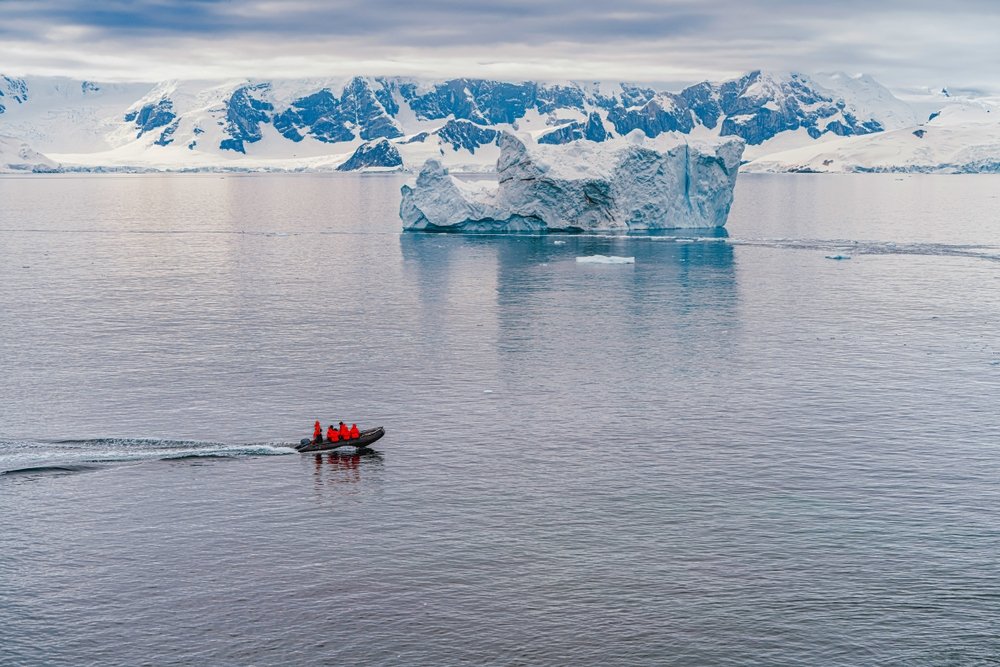
Daily Zodiac landings and shore excursions
Expect guided landings, short hikes, and flexible explorations shaped by weather and ice conditions.


Expert-led briefings and lectures
Polar guides and scientists share insights about wildlife, glaciers, and Antarctic history during daily onboard sessions.
A landscape unlike anywhere else
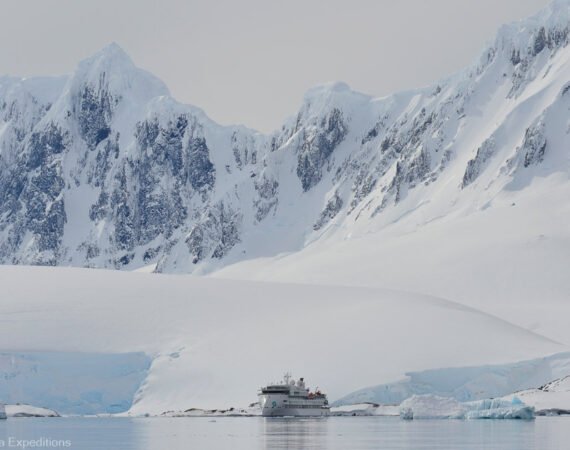
Towering glaciers, snow-covered mountains, and drifting sea ice surround you, creating one of the most remote and breathtaking environments on Earth.
Your adventure is calling
The gateway to untouched Antarctica is within reach, and your journey begins here.
Take the first step with confidence
Secure your cruise through the Drake Passage with AntarcticaCruiseInfo.com and turn your Antarctic dream into reality.
Get expert guidance
Call us or use our contact form to explore available options, compare offers, and start planning your expedition.