
Your Guide to the South Shetland Islands
Your Guide to the South Shetland Islands
Located just north of the Antarctic Peninsula, these islands combine dramatic landscapes, abundant wildlife, and a rich history of exploration.
On this page, you’ll find everything you need to know about visiting the South Shetland Islands and how they fit into Antarctic cruise itineraries. Our polar experts are here to help you understand your options and choose the journey that best matches your expectations.
| The South Shetland Islands lie between the southern tip of South America and the Antarctic Peninsula, making them a natural first landing point for many Antarctic expeditions. | ||
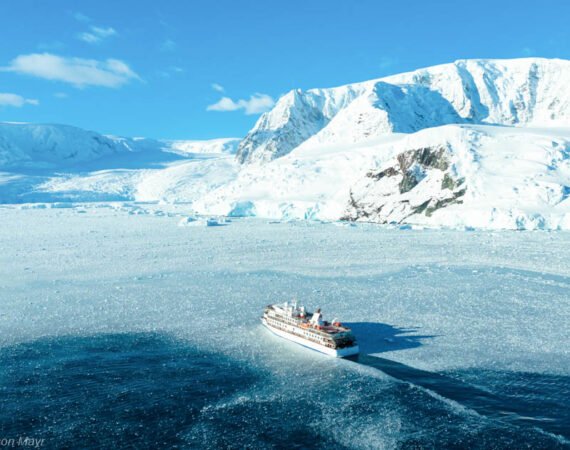
| These islands are known for their striking volcanic landscapes, snow-covered mountains, and wide bays filled with icebergs drifting in from the Southern Ocean. | ||
| Wildlife encounters are common, with large penguin colonies, seals resting on the beaches, and seabirds constantly circling above the coastline. | ||
| Several historically significant sites can be found on the South Shetland Islands, including former whaling stations and early research bases that tell the story of Antarctic exploration. | ||
| Thanks to their location and accessibility, the South Shetland Islands are included in many classic Antarctic Peninsula cruises and often offer excellent opportunities for first landings and Zodiac excursions. | ||
| Tell us what matters most to you; wildlife encounters, first landings in Antarctica, photography, or historical sites and we’ll help you choose the voyage that fits your travel style. |
Highlights: the South Shetland Islands
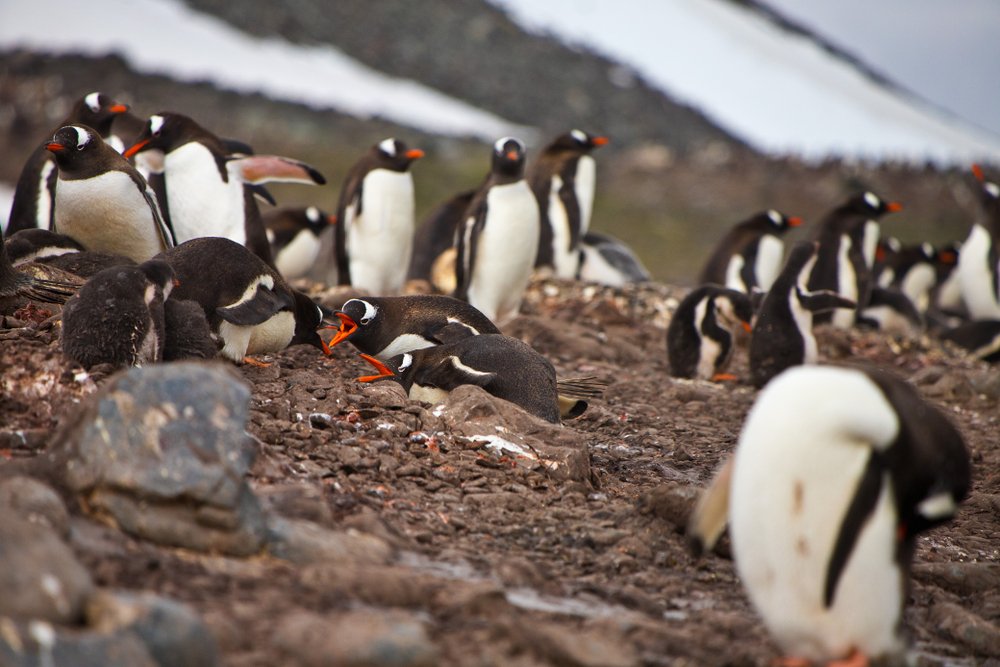
Wildlife Encounters
The South Shetland Islands offer some of the most accessible and rewarding wildlife encounters in Antarctica. Large penguin colonies, seals resting along the shores, and constant seabird activity can often be observed at close range. For many travelers, stepping ashore among penguins during their first Antarctic landing becomes an unforgettable moment of the journey.

Volcanic Landscapes and Scenic Landings
The islands are shaped by volcanic activity, creating dramatic scenery with snow-covered peaks, black sand beaches, and ice-filled bays. Zodiac cruises and shore landings allow travelers to explore these raw landscapes up close, where glaciers meet the sea and icebergs drift along the coastline. The contrast between dark volcanic terrain and bright Antarctic ice makes this region especially striking.
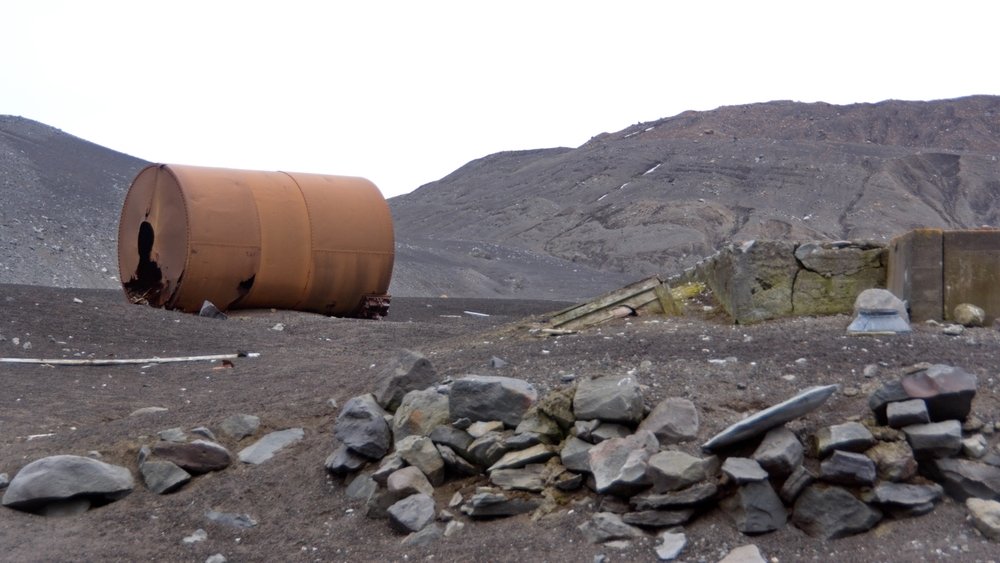
History and Local Culture
Despite their remote location, the South Shetland Islands hold an important place in the history of Antarctic exploration. Former whaling sites and early research stations tell the story of the first expeditions to the continent and the challenges faced by early explorers. Today, these historic remains offer insight into human presence in Antarctica and add cultural depth to an otherwise untouched polar landscape.
Best Time to Visit the South Shetland Islands
The South Shetland Islands are visited during the austral summer, from late October to March. Each phase of the season offers a slightly different experience, so the best time to visit depends on what you want to see and experience.
Early Season (October–November)
The islands feel quieter and more untouched at the start of the season. Snow coverage is higher, landscapes appear more dramatic, and penguin colonies begin nesting. This period is ideal for pristine scenery and photography.
Mid-Season (December–January)
This is the most popular time to visit, with milder temperatures, long daylight hours, and very active wildlife. Penguin colonies are at their peak, landings are frequent, and conditions are generally more stable for Zodiac excursions.
Late Season (February–March)
By late season, snow begins to melt and coastal areas become more accessible. Penguin chicks are larger, seal sightings increase, and the softer light creates excellent photography conditions. Whale sightings may also become more frequent in surrounding waters.
Best Trips to the South Shetland Islands

Ready for the adventure of your life?
Reach out to us today and receive independent, expert guidance from passionate polar specialists who will assist you every step of the way from choosing the right expedition to booking and planning every detail of your journey. Here’s How It Works:
Listen & Advise
We listen and find out which ships, which routes and which price best suit your needs.
Reserve & Relax
Your cabin is reserved for at least 72 hours while you discuss the final details of your trip.
Prepare & Explore
You will receive expert packing tips, insider tips and more so that you can leave optimally prepared.
People Also Ask about the South Shetland Islands
No, there is no permanent civilian population living on the South Shetland Islands. The islands host only seasonal scientific research stations operated by different countries. These stations are occupied mainly during the Antarctic summer, and there are no towns, hotels, or permanent residents.
The South Shetland Islands are a group of islands located north of the Antarctic Peninsula, between South America and Antarctica. They are part of Antarctica and are known for their wildlife, volcanic landscapes, glaciers, and historic exploration sites. The islands are a common first landing point on Antarctic cruises.
The South Shetland Islands can only be reached by ship as part of an Antarctic cruise. Most voyages depart from Ushuaia, Argentina, and cross the Drake Passage before reaching the islands. There are no commercial flights or airports for travelers, and visits are only possible on expedition vessels.
Yes, Elephant Island is part of the South Shetland Islands island group. It is one of the most famous islands in the region due to its connection to Sir Ernest Shackleton’s Endurance expedition. While landings are rare due to weather and sea conditions, Elephant Island remains an important historical site in Antarctic exploration.
This question often causes confusion. The Shetland Islands (near Scotland) and the South Shetland Islands (in Antarctica) are completely different destinations.
For the South Shetland Islands, the best months to visit are typically December and January, when weather conditions are milder, daylight is long, and wildlife activity is at its peak. These months are also the most popular for Antarctic cruises.
What time of year can you see the northern lights in Shetland?
The northern lights cannot be seen in the South Shetland Islands, as they are located in Antarctica in the Southern Hemisphere.
Northern lights (aurora borealis) can be seen in the Shetland Islands in Scotland, usually between October and March. In Antarctica, travelers may instead witness the southern lights (aurora australis), though sightings during cruises are rare due to long daylight hours in summer.