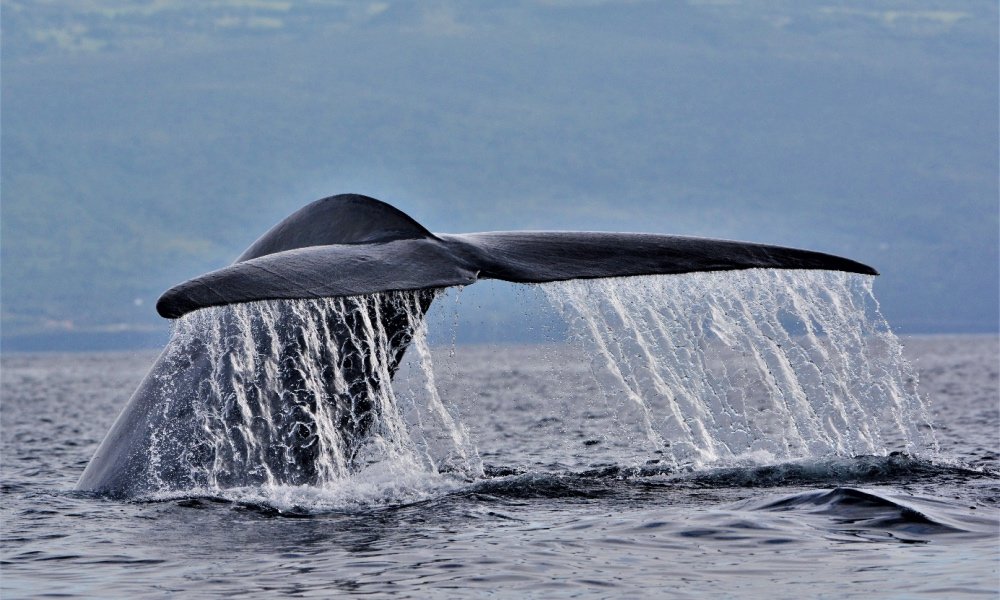
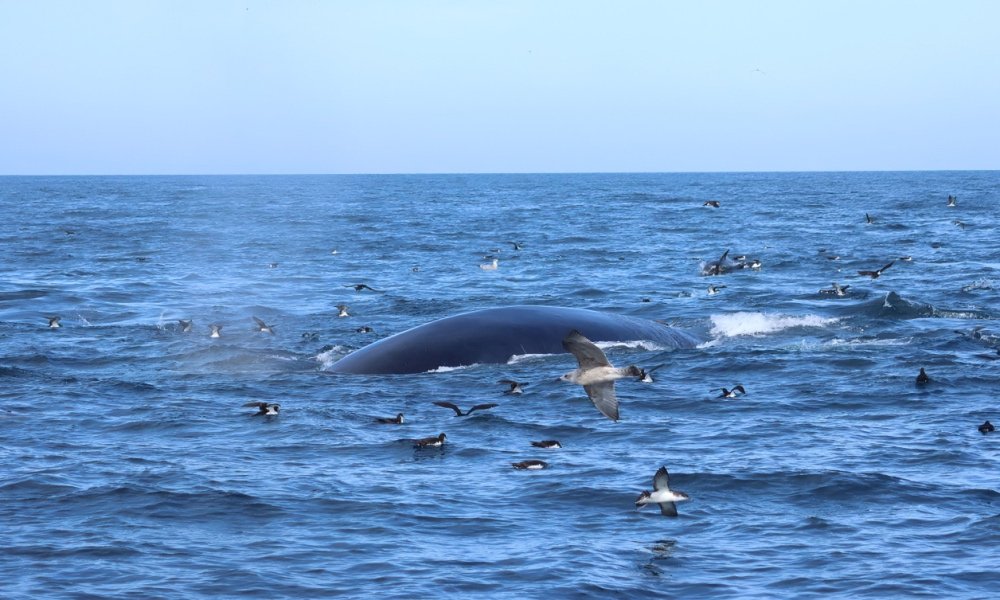
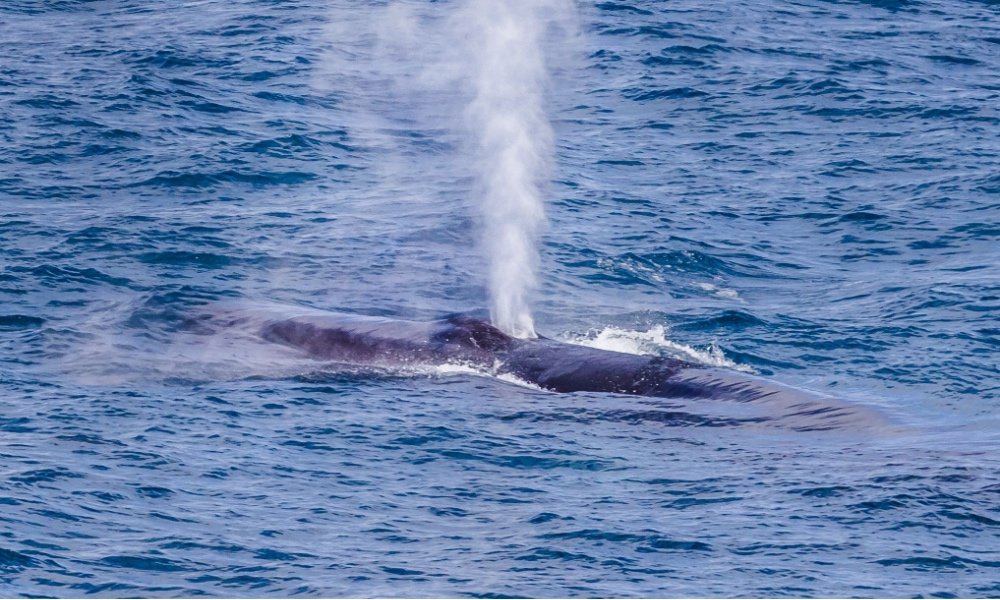
Few experiences compare to watching whales in the wild, and Antarctica is one of the best places on Earth to do so. Each summer, as the ice retreats, nutrient-rich waters attract thousands of whales to feed in the Southern Ocean. Travelers on expedition cruises often witness humpbacks breaching, orcas hunting in pods, and even the elusive blue whale the largest animal ever to live on our planet.
What makes these encounters truly special is the setting: silent icy landscapes, towering glaciers, and waters teeming with life. Unlike anywhere else in the world, seeing whales in Antarctica feels both surreal and humbling, a once-in-a-lifetime wildlife experience.
Let’s dive deeper into the whale species you can encounter in Antarctica and discover what makes each of them extraordinary.
1. Humpback Whale

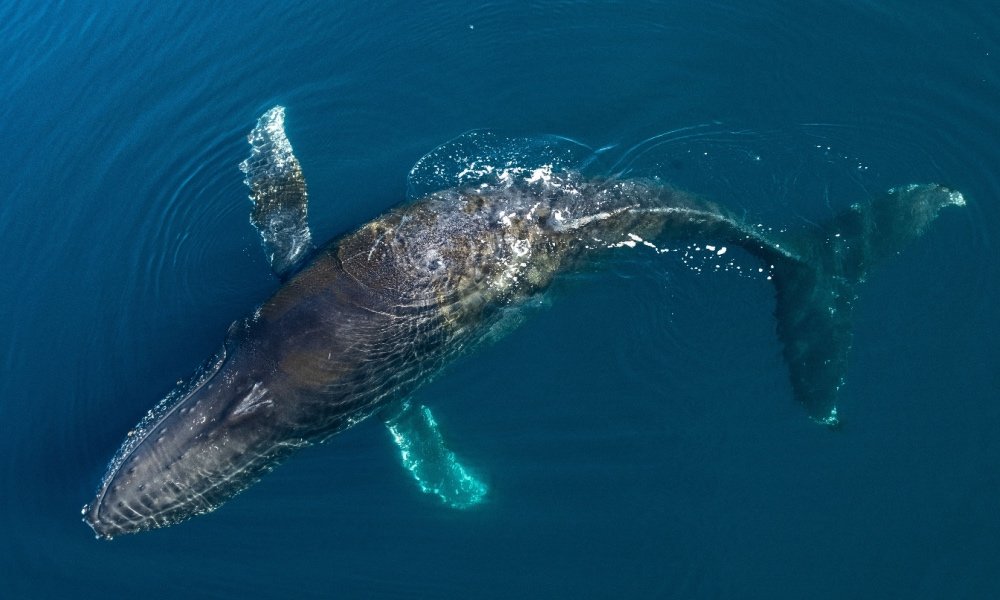
The humpback whale is the star of Antarctica’s summer seas. Famous for their dramatic breaches, tail slaps, and haunting underwater songs, humpbacks are often the highlight of an expedition cruise. They gather in large numbers in the Southern Ocean to feed, making them one of the most frequently spotted whales on Antarctic voyages.
Dive Duration
Usually 10–15 minutes, though they can hold their breath for up to 45 minutes.
World Population
About 80,000 individuals worldwide, recovering strongly after commercial whaling bans.
Life Span
Typically 45–50 years, with some living longer.
Why Are They Special?
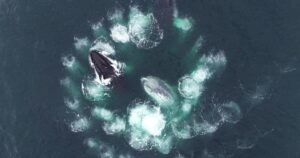
Their playful behavior, close encounters with Zodiac boats, and cooperative bubble-net feeding make humpbacks unforgettable and a favorite among travelers.
2. Minke Whale

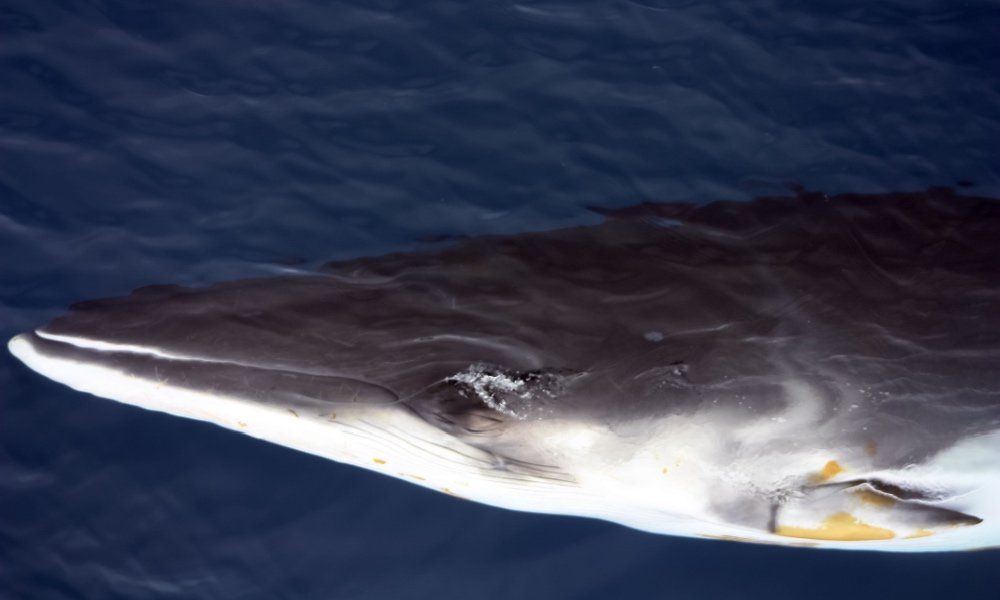
The minke whale is the smallest of the great whales in Antarctica, but also one of the most curious. These sleek, fast swimmers are often seen approaching Zodiac boats, giving travelers remarkably close encounters. Their shy yet inquisitive nature makes them a delightful surprise during expeditions.
Dive Duration
Short dives of 5–15 minutes, though they can occasionally stay down for 20 minutes.
World Population
Estimated at around 500,000, making them one of the most numerous whale species.
Life Span
Around 40–50 years in the wild.
Why Are They Special?
Their tendency to approach small boats and their graceful movements among ice floes give visitors intimate moments that feel truly personal.
3. Orca (Killer Whale)

The orca, or killer whale, is one of the most intelligent and social predators in Antarctica. They travel in pods and use sophisticated hunting techniques to catch seals, penguins, and even whales much larger than themselves. Their striking black-and-white pattern makes them instantly recognizable and thrilling to spot in icy waters.
Dive Duration
Typically 5–10 minutes, though dives can last up to 20 minutes when hunting.
World Population
Estimated at around 50,000–100,000 worldwide, divided into distinct ecotypes with different diets and behaviors.
Life Span
50–60 years for females, with some living up to 80–90 years; males usually live around 30 years.
Why Are They Special?
Orcas are known for their teamwork, intelligence, and dramatic hunts, making them one of the most exciting encounters during an Antarctica cruise.
4. Blue Whale

The blue whale is the largest animal ever to live on Earth, and seeing one in Antarctica is a truly humbling experience. These gentle giants glide through the Southern Ocean, feeding on vast amounts of krill to fuel their enormous size. Though once nearly hunted to extinction, they are slowly making a comeback in Antarctic waters.
Dive Duration
Typically 10–20 minutes, though they can stay submerged for up to 30 minutes.
World Population
Around 10,000–25,000 individuals remain worldwide, with numbers slowly increasing after whaling bans.
Life Span
Can live 70–90 years, with some reaching over 100 years.
Why Are They Special?
Their immense size, deep, thunderous calls, and rarity make every sighting unforgettable—often described as the highlight of an entire Antarctic expedition.
5. Fin Whale

The fin whale is the second-largest whale species after the blue whale and is sometimes called the “greyhound of the sea” for its incredible speed and elegance. In Antarctica, they are often seen in small groups, skimming the surface with their tall, distinctive blow.
Dive Duration
Usually 10–15 minutes, though they can dive up to 25 minutes when feeding.
World Population
Estimated at 100,000 individuals worldwide, with a significant portion feeding in the Southern Ocean during summer.
Life Span
Around 80–90 years, similar to blue whales.
Why Are They Special?
Their graceful movements, powerful blows, and status as one of the fastest whales make them a breathtaking sight in Antarctic waters.
6. Sei Whale

The sei whale is a sleek and fast-moving baleen whale, less commonly seen in Antarctica but still a remarkable encounter. They are known for their tall blows and tendency to skim the ocean’s surface while feeding, making them a bit more elusive compared to humpbacks or minkes.
Dive Duration
Typically 5–15 minutes, with shorter dives than many larger whales.
World Population
Estimated at around 80,000 worldwide, though their numbers are lower in Antarctic waters.
Life Span
Usually 50–70 years.
Why Are They Special?
The sei whale is a sleek and fast-moving baleen whale, less commonly seen in Antarctica but still a remarkable encounter. They are known for their tall blows and tendency to skim the ocean’s surface while feeding, making them a bit more elusive compared to humpbacks or minkes.
Extra info
Where, When and Why See Whales in Antarctica
Where Are Whales Most Commonly Seen in Antarctica?
When Is the Best Time to See Whales in Antarctica?
November–December
Few whales, but stunning scenery and pristine ice.
January–February
Peak whale-watching season; humpbacks, minkes, and orcas are very active.
March
Excellent sightings continue as whales prepare to migrate north.
Why Are Whales Important to the Antarctic Ecosystem?
FAQ
About Whales in Antarctica
Yes, several whale species live in Antarctica, including humpback, minke, blue, fin, sei whales, and orcas (killer whales). On our website, you’ll find detailed guides on where to see them during an Antarctica cruise.
The best time to see whales in Antarctica is the austral summer (November–March). Peak sightings occur in January and February, when humpbacks, minkes, and orcas gather in large numbers. Our site explains the best months and routes for whale-watching cruises.
The blue whale is the largest, not only in Antarctica but in the entire world. Reaching up to 30 meters and weighing 180 tons, it is the highlight of any Antarctic expedition. Learn how and where to spot them in our whale guides.
Yes, orcas (killer whales) are common in Antarctic waters. They are often seen hunting in pods around the Antarctic Peninsula and Weddell Sea. Our travel guides cover the best regions to encounter these incredible predators.
Japan officially ended its Antarctic whaling program in 2019. Today, all whale-watching in Antarctica is conducted under the IAATO’s strict environmental guidelines, ensuring responsible and sustainable encounters.
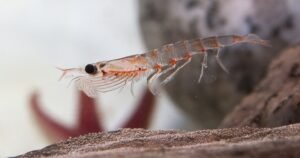
Antarctica’s nutrient-rich Southern Ocean supports vast amounts of krill, the main food source for many whales. Every summer, humpbacks, blues, fins, and minkes migrate south to feed. Our site explains how this seasonal cycle makes Antarctica one of the world’s best whale-watching destinations.