
Antarctica with Kids

Can Children Travel to Antarctica?

Yes, children can travel to Antarctica, but it depends on their age, the expedition ship, and the cruise operator. Antarctica is a remote and highly regulated destination, so family travel follows specific rules. An Antarctica family cruise is possible for well-prepared families whose children are comfortable with ship travel and outdoor activities.

Key points families should know:

For families with curious, adaptable children, traveling to Antarctica can be both safe and deeply rewarding. However, it is best suited for families who understand that this is an expedition, not a traditional family holiday.

Best Age to Visit Antarctica with Kids

Perfect age: 8–12

At this age, kids are curious, adaptable, and able to follow instructions during Zodiac landings and shore excursions. They enjoy wildlife encounters, understand safety briefings, and are old enough to remember the experience as a true adventure.

Teenagers: 13–17

Teens often have the most complete Antarctica experience. They handle cold conditions better, adapt easily to changing schedules, and engage deeply with the educational and expedition side of the journey.

Younger children: under 8

For most families, Antarctica with kids under 8 is not recommended. Long days, cold weather, and the lack of childcare or indoor entertainment can make the experience challenging.

Adults traveling with kids

Parents who enjoy expedition-style travel, flexibility, and learning experiences tend to have the best family trips to Antarctica

Is Antarctica Safe for Kids?

Yes, Antarctica can be safe for kids when traveling on a well-regulated expedition cruise. Family-focused Antarctica cruises follow strict safety rules, with all landings guided by trained expedition staff and daily activities adjusted to weather and ice conditions. Children must always be accompanied by adults, and ships are equipped to operate safely in remote environments.

Antarctica with kids is best suited for families who understand that this is an expedition-style journey rather than a traditional cruise.

What to Expect When Visiting Antarctica With Children

Visiting Antarctica with children is very different from a typical family holiday. Days are shaped by weather, ice conditions, and safety rules rather than fixed schedules. Flexibility is part of the experience, and plans can change at any time.

Children spend most of their time onboard an expedition ship, joining guided Zodiac landings and short shore walks when conditions allow. There are no playgrounds or kids’ clubs, but many children enjoy watching wildlife from the deck, attending educational talks, and being part of a real expedition.

Cold weather, layered clothing, and careful supervision are constant factors. Children must listen to instructions, stay close to adults, and follow rules during every landing. In return, they experience Antarctica in a raw and authentic way: seeing penguins, icebergs, and vast landscapes few people ever witness.

Wildlife rules (kids-friendly version)

  • Never touch, feed, or handle wildlife (including penguins and seals).
  • Don’t approach animals for photos if it changes their behavior.
  • Keep noise low and move slowly near wildlife.
  • Stay alert: wildlife can be unpredictable and can cause serious harm.

Biosecurity rules (protect Antarctica)

  • Everything that may go ashore must be clean: boots, jackets, backpacks, tripods, and walking poles.
  • Check Velcro, pockets, seams, and boot treads for seeds, dirt, and organic material.
  • Use the ship’s boot-washing station before and after every landing, including disinfectant steps.
  • Avoid stepping in heavy organic areas (like guano) when possible, and clean off debris before re-boarding Zodiacs.

Landing and shore behavior rules

  • Follow marked paths and your guide’s instructions at all times.
  • Stay with your group and never wander off, even “just a little.”
  • Don’t sit, kneel, or place gear on the ground unless your expedition team says it’s allowed.
  • Keep hands to yourself: don’t pick up rocks, feathers, bones, or “souvenirs.”

Leave-no-trace rules

  • No litter, no leftovers, no “it’s biodegradable” exceptions.
  • Don’t graffiti or scratch names into rocks or structures.
  • Don’t disturb lakes, streams, or water bodies.
  • Secure hats, wrappers, and small items—wind can take them fast.

Safety rules (especially important with kids)

  • Weather can change quickly—be ready for plans to change.
  • Be careful where you step: seals can be camouflaged among rocks.
  • Keep away from sea-ice edges and unstable areas.
  • Don’t walk onto glaciers or big snowfields without proper equipment and expert guidance.

Onshore supervision and limits (why rules feel strict)

  • Visitor landings are managed with limits on how many guests can be ashore at once.
  • Expedition staff supervise landings, and sites have specific “where you can and can’t walk” rules.

These rules reflect the general visitor guidance under the Antarctic Treaty System and common operator practices used to protect wildlife, prevent the spread of non-native species, and keep visitors safe.

What to Pack for Antarctica With Kids

Packing for Antarctica with kids is about warmth, safety, and flexibility not overpacking. Most expedition cruises provide essential outer gear, but families still need to prepare carefully.

Clothing (layering is key)

  • Thermal base layers (top and bottom), preferably merino or synthetic
  • Insulating mid-layers such as fleece or lightweight down jackets
  • Warm sweaters or hoodies for onboard use
  • Waterproof pants for shore landings
  • Comfortable indoor clothing for time on the ship

Outerwear & accessories

  • Waterproof gloves (plus a spare pair)
  • Warm hat that covers ears
  • Neck gaiter or scarf
  • Sunglasses with UV protection (very important in Antarctica)
  • High-quality sunscreen (UV reflection from ice is strong)

Footwear

  • Thick, warm socks (multiple pairs)
  • Indoor shoes or slippers for the ship
  • Expedition boots are usually provided, but confirm sizes in advance for kids

Personal & practical items

  • Small backpack for shore landings
  • Reusable water bottle
  • Seasickness medication (child-appropriate, if needed)
  • Lip balm and moisturizer for cold, dry conditions
  • Personal medications and basic first-aid items

Entertainment & comfort items

  • Books, journals, or drawing materials
  • Tablet or e-reader (offline content downloaded)
  • Favorite small comfort item for younger kids

Important note for families

Antarctica is an expedition environment. Clothing should be practical, warm, and easy to layer. Fashion items are unnecessary: comfort and safety always come first when traveling to Antarctica with kids.

Antarctica Through Young Eyes

For many young travelers, Antarctica represents the ultimate “edge of the map” It’s remote, raw, and completely different from anywhere else on Earth. Visiting Antarctica isn’t about comfort or ticking off landmarks: it’s about experiencing something few people ever will.

In short, young people explore Antarctica not to escape the world, but to better understand it.

Where Young People Most Want to Explore in Antarctica

  1. The Antarctic Peninsula
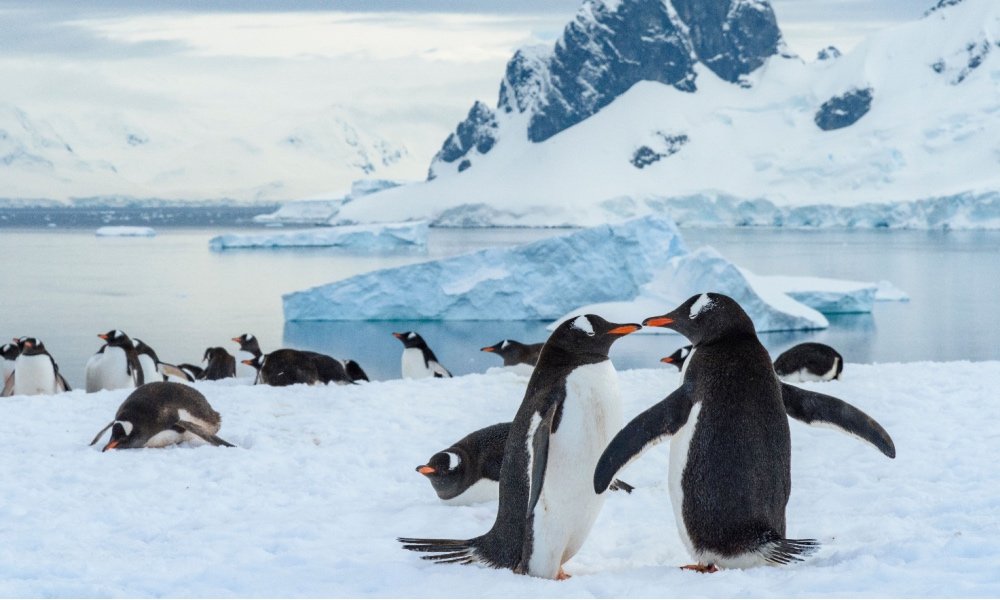
    This is the top dream area for young travelers. It’s the most accessible part of Antarctica and offers dramatic landscapes, glaciers, penguin colonies, and frequent shore landings. For first-time visitors, the Antarctic Peninsula delivers the full expedition feeling in a relatively compact itinerary. Read More About Antarctic Peninsula 

  2. The Drake Passage
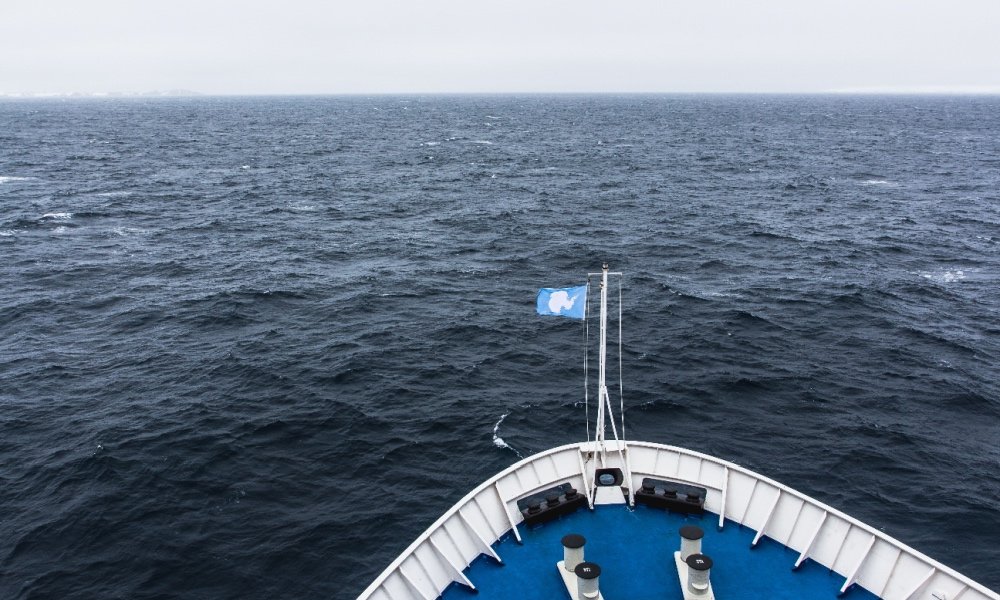
    Surprisingly, the journey itself is a highlight. Crossing the Drake Passage is seen as a badge of honor among young travelers. It adds challenge, adventure, and a real sense of reaching the end of the world—something that resonates strongly with younger generations. Discover More About Drake Passage

  3. Lemaire Channel
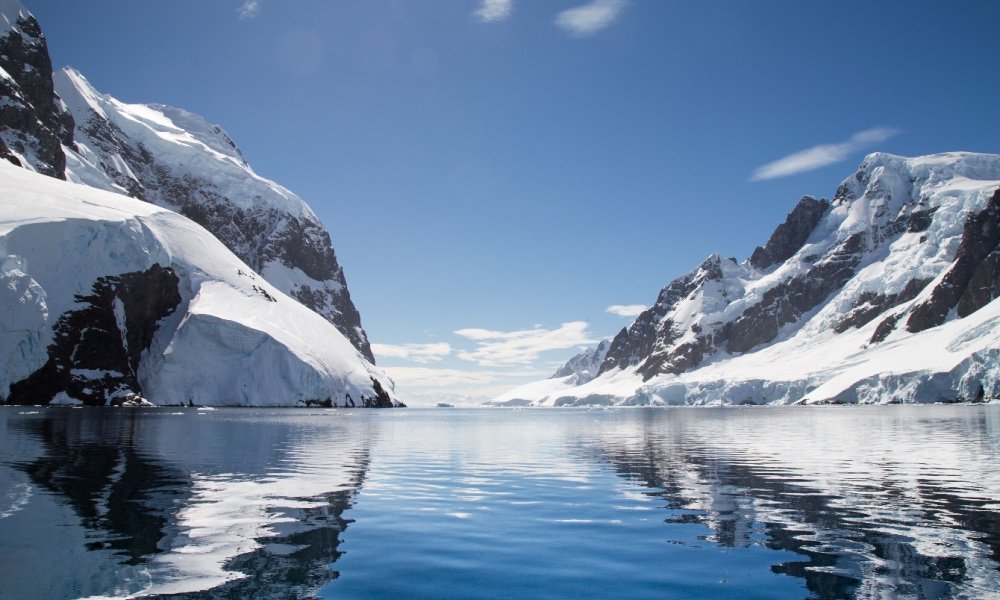
    Often called one of the most beautiful passages on Earth, the Lemaire Channel attracts young explorers for its narrow waterways, towering ice cliffs, and cinematic scenery. It’s one of the most photographed moments of any Antarctica trip.

  4. South Shetland Islands
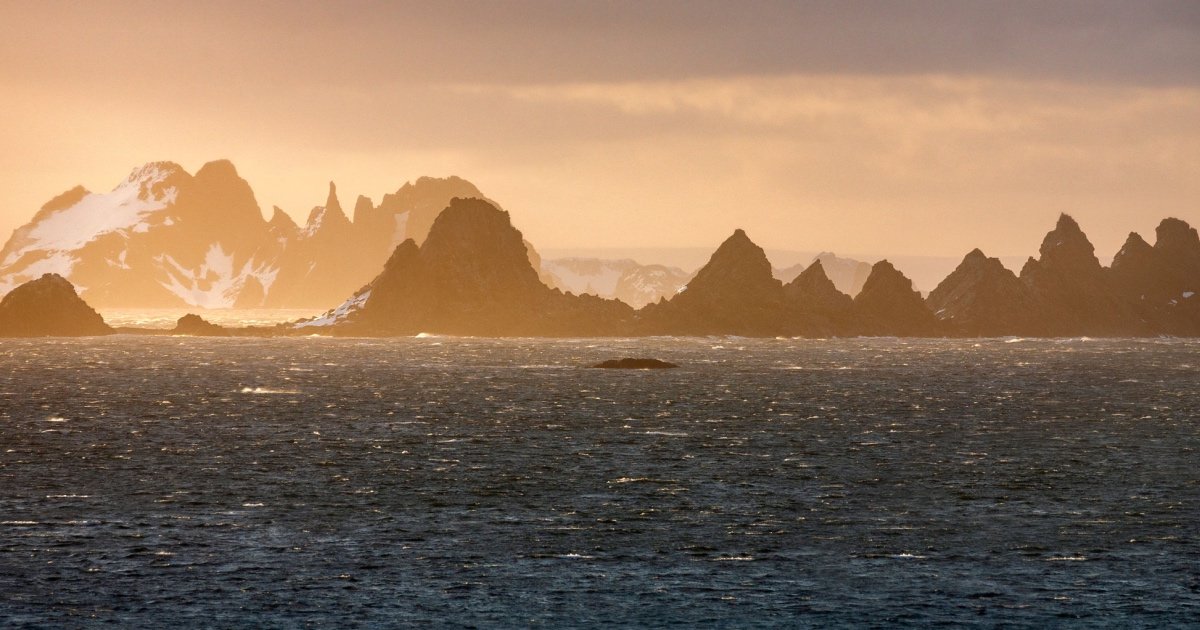
    These islands are popular because they combine wildlife, history, and easier landings. Young travelers enjoy visiting penguin colonies, abandoned research stations, and volcanic landscapes—all in one place.
  5. Zodiac Landing Sites
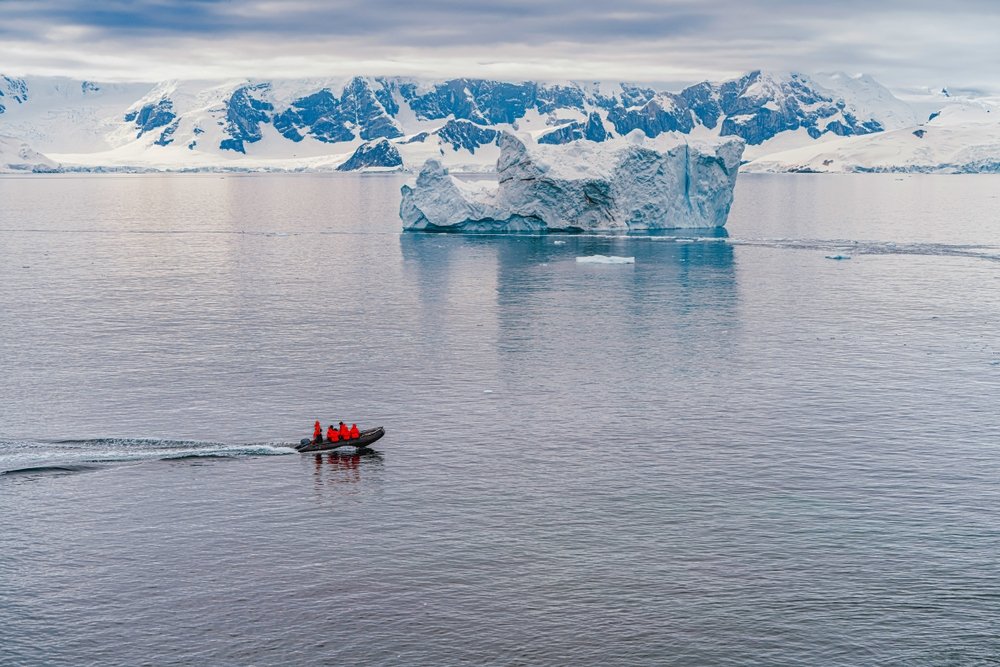
    More than specific names, young people are excited by the experience of Zodiac landings themselves. Stepping onto Antarctic shores, walking among ice and wildlife, and feeling fully immersed in the environment is often the highlight of the trip.

In short, young people are most drawn to parts of Antarctica that feel active, immersive, and adventurous, places where they can explore, learn, and truly feel part of an expedition.

People Also Ask About Antarctica With Kids

The minimum age depends on the cruise operator, but most Antarctica family cruises accept children from 6 to 12 years old. Some ships may require children to be older due to safety and expedition conditions.

Antarctica is generally not recommended for very young children. The cold climate, long days, and lack of childcare or indoor entertainment make the experience more suitable for older kids and teenagers.

No. Expedition cruises do not have kids’ clubs or child-focused entertainment. Children participate in the same guided activities, landings, and educational talks as adults.

Yes, when traveling with a licensed expedition operator. All activities are supervised, and ships follow strict safety and environmental regulations.

Most Antarctica family cruises last between 10 and 14 days, including the Drake Passage crossing. Some itineraries may be longer depending on the route.

Yes, as long as they meet the minimum age requirements and follow safety rules. All shore landings are guided and depend on weather and ice conditions.

Children can see penguins, seals, seabirds, and often whales. Wildlife encounters are one of the most exciting parts of traveling to Antarctica with kids.

Yes. Children need proper cold-weather clothing, including thermal layers, waterproof outerwear, gloves, and hats. Expedition boots are usually provided by the cruise operator.

 It can be, especially during the Drake Passage crossing. Families should prepare with appropriate medication and speak to a doctor before traveling.

For families with curious, adaptable children who enjoy learning and adventure, an Antarctica family cruise can be a once-in-a-lifetime experience. It is not for every family, but for the right ones, it can be unforgettable.