Antarctica is not only the land of ice and penguins; it’s also home to some of the most spectacular sea birds on Earth. From the graceful flight of the wandering albatross to the fierce cries of the skua, these birds thrive in one of the harshest environments imaginable. They travel thousands of kilometers across the Southern Ocean, returning each year to nest on remote cliffs, ice-free islands, and rocky coasts.
Their presence defines the rhythm of life in Antarctica: gliding above icebergs, following ships through endless mist, and symbolizing freedom against the white horizon. Watching them in their natural habitat is not just birdwatching, it’s witnessing survival and grace in their purest form.
Let’s explore the most iconic seabirds of Antarctica and discover where and how you can encounter them on your journey.
1. Wandering Albatross

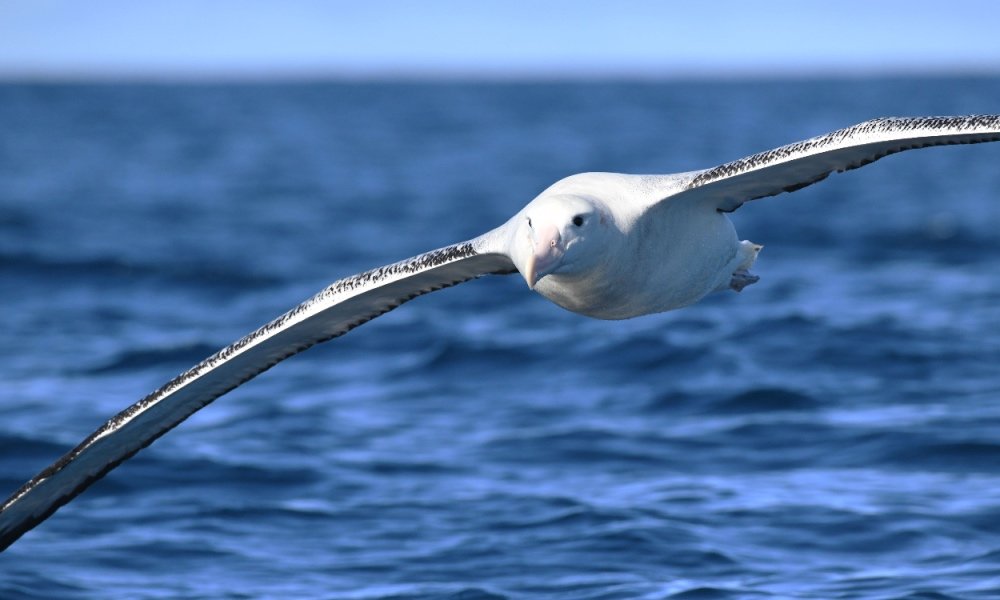
The wandering albatross is the ultimate symbol of freedom over the Southern Ocean. With its majestic wings stretching wider than any other bird, it can soar for hours without flapping: effortlessly gliding over waves and ice fields. These legendary travelers often accompany ships and are a breathtaking sight for anyone visiting Antarctica.
Wingspan & Feeding
The largest wingspan in the world, reaching up to 3.5 meters. They feed mainly on squid, fish, and krill, often snatching prey from the surface.
Breeding Season
Occurs every two years, with nesting colonies on South Georgia, Crozet, and Macquarie Islands.
Where to See Them
Best seen during cruises to South Georgia and the Scotia Sea, often following ships.
Why Are They Special?
Their graceful flight, enormous wingspan, and ability to cross oceans make the wandering albatross a symbol of endurance and wonder.
2. Snow Petrel

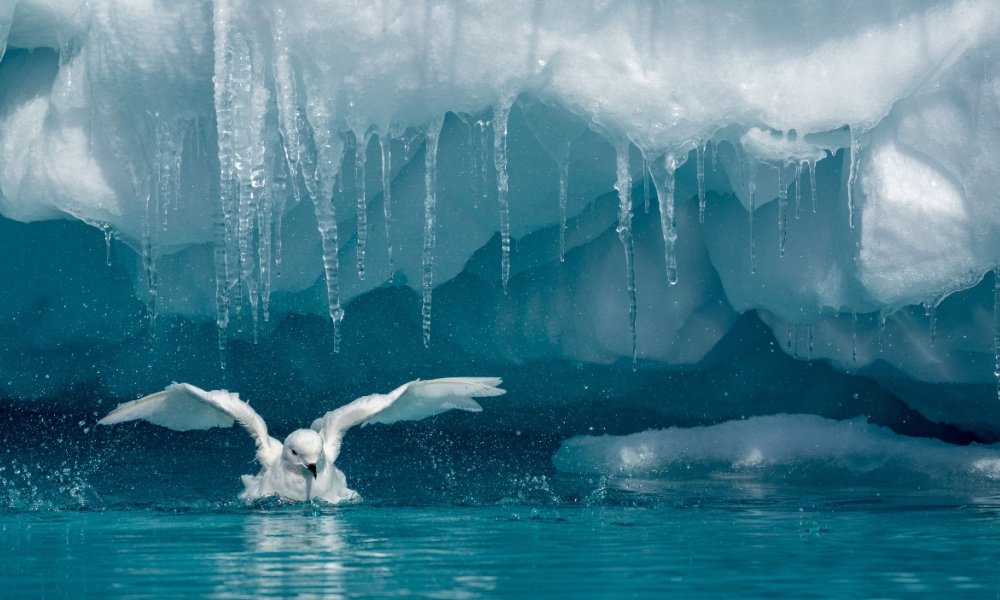
The snow petrel is one of the few birds that breeds exclusively in Antarctica. With its pure white feathers and jet-black eyes, it perfectly matches the icy landscape, almost ghostlike as it glides between glaciers and icebergs. For many travelers, spotting one feels like seeing the spirit of Antarctica itself.
Wingspan & Feeding
Wingspan around 75–90 cm. Feeds mainly on krill, small fish, and carrion found near sea ice edges.
Breeding Season
From November to March, nesting on cliffs and rocky outcrops close to open water.
Where to See Them
Found all around the Antarctic Peninsula, Ross Sea, and Weddell Sea, often near pack ice.
Why Are They Special?
Their pure white plumage and ability to live entirely within the Antarctic Circle make them one of the most iconic and resilient seabirds of the region.
3. South Polar Skua

The South Polar Skua is the bold pirate of Antarctic skies: fearless, opportunistic, and powerful. Often seen near penguin colonies, these birds are both admired and feared for their intelligence and survival instincts. They may steal fish from other birds or even take penguin eggs and chicks, playing a vital role in the region’s natural balance.
Wingspan & Feeding
Wingspan of about 1.3–1.5 meters. Feeds on fish, carrion, and penguin chicks, often scavenging near colonies.
Breeding Season
From November to February, nesting close to penguin rookeries.
Where to See Them
Common around the Antarctic Peninsula, South Shetland Islands, and Ross Sea.
Why Are They Special?
Their fearless behavior, sharp intelligence, and adaptability make them fascinating to watch — proof that even Antarctica’s harshest conditions favor the bold.
4. Antarctic Petrel

The Antarctic Petrel is one of the true natives of the icy continent. With its striking brown-and-white plumage, it’s easily spotted against the white snow and blue sea. These strong fliers spend most of their lives over the open ocean, only returning to land to breed on remote cliffs far from human reach.
Wingspan & Feeding
Wingspan of about 1.0–1.2 meters. Feeds mostly on krill, fish, and squid, often seen feeding in large flocks near the ice edge.
Breeding Season
Takes place between November and February, with colonies found on ice-free cliffs along the Antarctic coast.
Where to See Them
Often observed in the Ross Sea, Weddell Sea, and around the Antarctic Peninsula during cruises.
Why Are They Special?
Their adaptability, endurance, and ability to thrive entirely within the Antarctic region make them one of the hardiest seabirds on the planet.
5. Giant Petrel

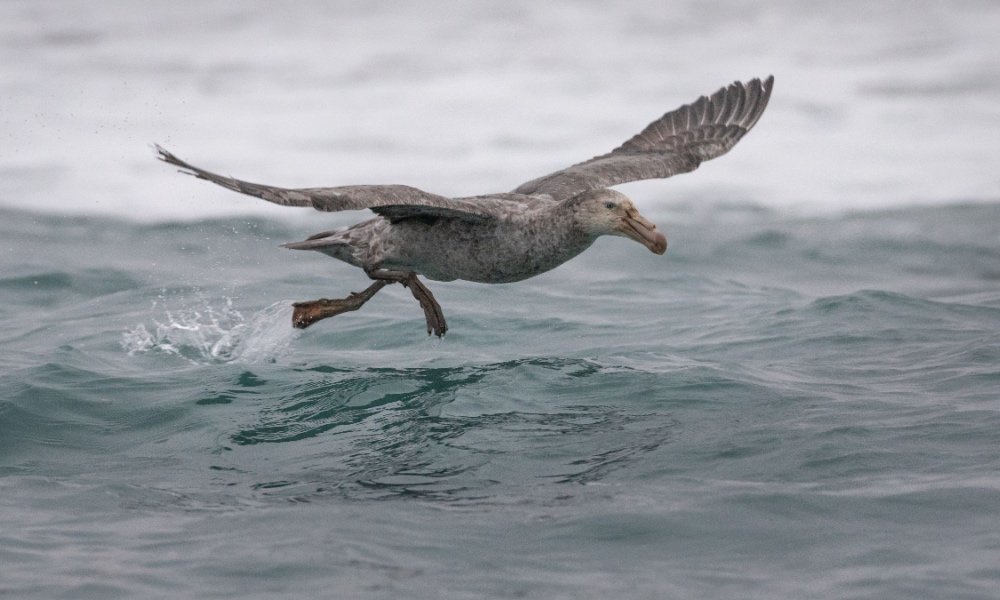
The Giant Petrel is the largest and most powerful seabird in Antarctica, often called the “vulture of the south” for its scavenging habits. With a wingspan rivaling that of an albatross, it dominates the skies over the Southern Ocean. Though intimidating, it plays a vital ecological role by cleaning up the remains of dead animals and maintaining nature’s balance.
Wingspan & Feeding
Wingspan of 2–2.1 meters. Feeds on carrion, squid, fish, krill, and sometimes young penguins or seal carcasses.
Breeding Season
From October to February, nesting on sub-Antarctic islands such as South Georgia and the South Orkney Islands.
Where to See Them
Commonly spotted across the Antarctic Peninsula, South Georgia, and the Falkland Islands.
Why Are They Special?
Their impressive size, strong flight, and essential scavenging role make them one of Antarctica’s most awe-inspiring and misunderstood seabirds.
6. Antarctic Tern

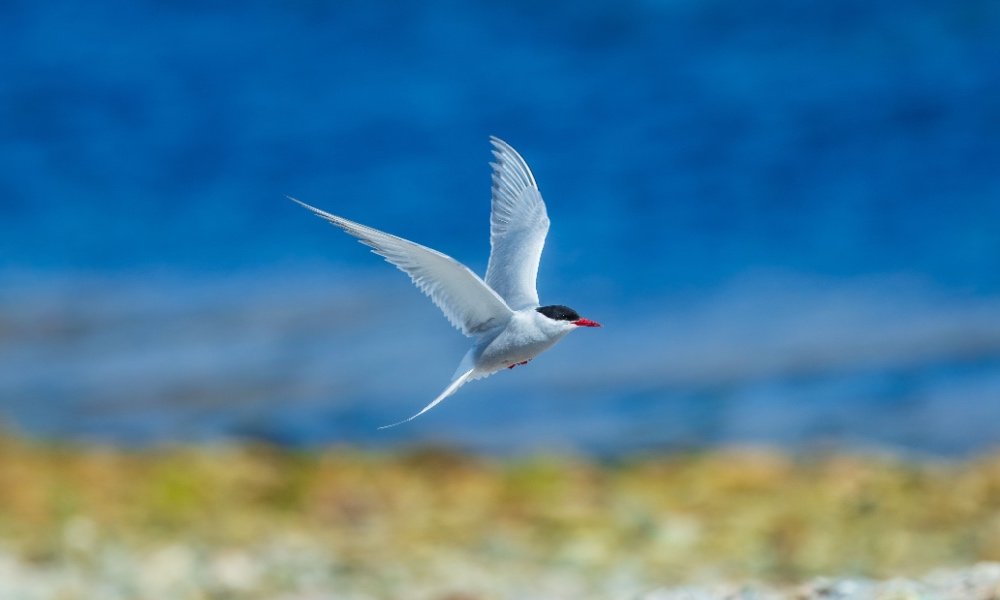
The Antarctic Tern is a graceful and elegant seabird that brings a splash of color to the icy landscape. With its red beak and feet contrasting against its white and grey plumage, it’s often seen hovering above waves or resting on ice floes. Despite its delicate appearance, it’s a strong and agile traveler across the Southern Ocean.
Wingspan & Feeding
Wingspan of around 75–80 cm. Feeds mainly on small fish, krill, and plankton, diving into the sea with precision.
Breeding Season
From November to January, nesting in coastal cliffs and rocky islands free of snow and ice.
Where to See Them
Common along the Antarctic Peninsula, South Shetland Islands, and South Orkney Islands.
Why Are They Special?
Their striking red features, graceful flight, and loyalty to nesting sites make them one of the most admired seabirds of the Antarctic coast.
7. Blue-eyed Shag (Antarctic Cormorant)

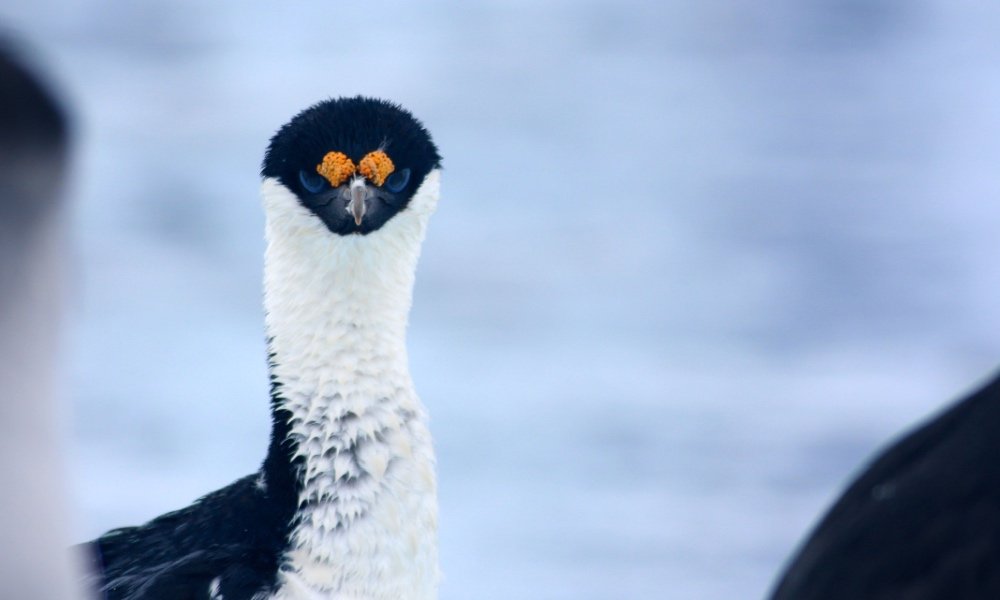
The Blue-eyed Shag, also known as the Antarctic Cormorant, is one of the few birds that can dive deep into Antarctica’s icy waters. With its shimmering blue eyes, black-and-white plumage, and graceful wingbeats, it’s a familiar sight along rocky coastlines and near penguin colonies. Often seen flying in pairs or small flocks, this bird embodies endurance and elegance in extreme conditions.
Wingspan & Feeding
Wingspan of 1.1–1.2 meters. Feeds mainly on fish, krill, and crustaceans, diving to impressive depths.
Breeding Season
Between October and February, nesting in large colonies on rocky cliffs or offshore islands.
Where to See Them
Common along the Antarctic Peninsula, South Shetland Islands, and South Orkney Islands.
Why Are They Special?
Their brilliant blue eyes, deep-diving ability, and striking social behavior make them one of the most photogenic and captivating seabirds in Antarctica.
8. Sheathbill (Antarctic Chionis)

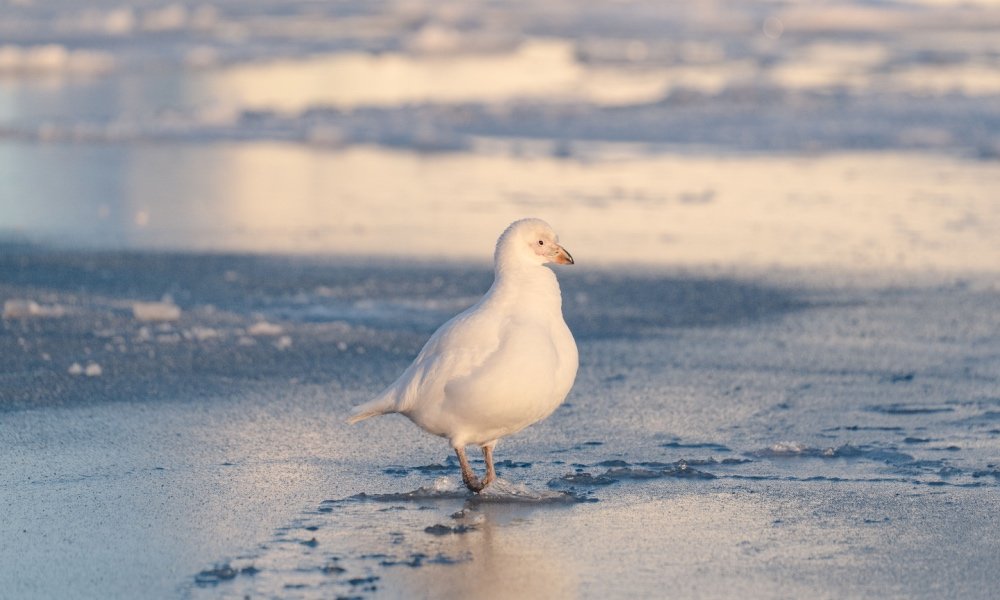
The Antarctic Sheathbill is the only land bird native to Antarctica and one of the most unusual. With its white plumage, pink face, and pigeon-like walk, it stands out among the sleek seabirds of the region. Unlike most Antarctic birds, it doesn’t have webbed feet and often wanders around penguin colonies scavenging for food scraps, eggs, or even krill.
Wingspan & Feeding
Wingspan of 75–80 cm. Omnivorous diet including krill, penguin eggs, carcasses, and waste from colonies.
Breeding Season
From November to February, nesting on rocky coasts or penguin rookeries.
Where to See Them
Found mainly along the Antarctic Peninsula, South Shetland Islands, and South Orkney Islands.
Why Are They Special?
The sheathbill’s unique scavenging role, adaptability to land, and rare status as Antarctica’s only true land bird make it a fascinating highlight for visitors.
9. Cape Petrel

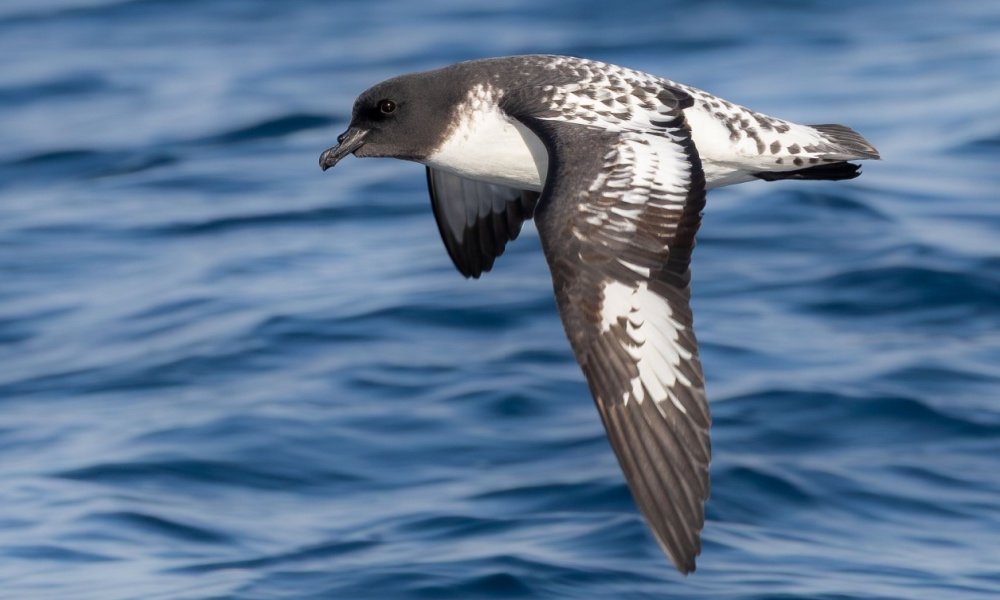
The Cape Petrel, often called the “pintado petrel” (meaning painted in Spanish), is one of the most striking seabirds in Antarctica. Its bold black-and-white patterned wings shimmer above the icy waters, creating a mesmerizing contrast against the Southern Ocean. These energetic fliers often follow ships, swooping gracefully through the waves in search of food.
Wingspan & Feeding
Wingspan of about 90 cm. Feeds on krill, small fish, and squid, usually skimming the ocean’s surface or scavenging near ships.
Breeding Season
Between October and February, nesting on rocky cliffs near open water.
Where to See Them
Found widely across the Antarctic Peninsula, South Shetland Islands, and Ross Sea.
Why Are They Special?
Their distinctive “paint-splatter” plumage, agile flight, and friendly habit of following ships make them a favorite sight among Antarctic travelers.
Extra info
Observe Responsibly and Photo Tips
How to Observe Sea Birds Responsibly?
Observing sea birds in Antarctica is an unforgettable experience, but it must be done responsibly to protect their fragile environment.
Travelers should always keep a respectful distance of at least five meters, especially near nesting sites. Avoid loud noises, sudden movements, or blocking their paths to the sea. Never touch eggs, nests, or feathers, and follow all IAATO (International Association of Antarctica Tour Operators) guidelines.
Even small actions make a difference:
Respect ensures that future generations can enjoy the same breathtaking encounters across Antarctica’s untouched coasts.
7 Photography Tips for Birdwatchers in Antarctica
Capturing sea birds in Antarctica is a once-in-a-lifetime experience, every photo tells the story of survival, grace, and freedom against an icy backdrop. Here are some helpful tips for photographing these incredible creatures:
Each image you take becomes more than a memory: it’s a moment of respect and connection with Antarctica’s wild, untouched beauty.
FAQ
About Sea Birds in Antarctica
A wide range of birds live in Antarctica, from sea birds like albatrosses, petrels, skuas, and terns to the iconic penguins. These species are perfectly adapted to the polar environment — gliding over icy seas, nesting on rocky cliffs, and feeding on krill and fish. You can spot many of them during an Antarctica cruise, especially around the Antarctic Peninsula and nearby islands.
No, seagulls do not live in Antarctica. Instead, the region is home to similar-looking seabirds such as skuas and sheathbills, which often roam around penguin colonies and coastal areas. These birds play an important role in the Antarctic ecosystem, acting as scavengers and keeping the environment clean.
While Antarctica has species like petrels and albatrosses, the Arctic is home to different seabirds such as puffins, guillemots, and Arctic terns. Interestingly, the Arctic tern migrates between both poles each year — making it one of the longest migratory birds in the world.
The Antarctic Sheathbill (Chionis alba) is the only land bird native to Antarctica. It doesn’t have webbed feet and spends most of its time scavenging near penguin colonies. Unlike seabirds that depend on the ocean, the sheathbill lives entirely on land, making it one of the continent’s most unique and fascinating species.
The Wandering Albatross is the biggest bird in Antarctica, boasting the largest wingspan in the world — up to 3.5 meters. It soars effortlessly over the Southern Ocean, following ships and ocean winds for thousands of kilometers. Seeing one in flight during an Antarctic expedition is a moment few travelers ever forget.
Conclusion
From the soaring albatross to the elegant Antarctic tern, every seabird in Antarctica tells a story of survival, beauty, and endurance. These birds are not just part of the scenery — they are vital to the Antarctic ecosystem, connecting land, sea, and sky in one of the planet’s most remote frontiers. Watching them glide above glaciers or nest on wind-swept cliffs reminds travelers of how fragile and extraordinary this world truly is.
For those lucky enough to visit, observing seabirds is more than a wildlife encounter — it’s a humbling experience that deepens your appreciation for nature’s balance. Protecting their habitats and respecting their space ensures that these majestic birds continue to thrive for generations to come.
Plan your Antarctica journey, witness their grace, and let the silence of the polar sky leave you in awe.