
Falkland Islands Cruise Expeditions
Your Guide to the Falkland Islands
Picture yourself standing beside a penguin colony along the wild coast of the Falkland Islands — fresh ocean air, wide open landscapes and a feeling of space and silence that is hard to find anywhere else. For many travelers, visiting the Falklands is not just a holiday, but a long-awaited dream: wildlife, history and untouched nature in one remarkable destination.
At the same time, planning a trip to such a remote place can feel overwhelming. How do I get there? Which itinerary makes sense? And how do I know I’m choosing the right ship?
That’s where we help. Here, you’ll find clear answers to the most common questions about reaching and exploring the Falkland Islands. And if you’re unsure about anything, you can simply contact us — no pressure, no rush.
| Rich Wildlife Encounters The Falkland Islands offer an impressive variety of wildlife in a relatively small area. Penguin colonies, fur seals, elephant seals, and many seabird species can be seen at close range. For many travelers, the mix of wildlife and open landscapes feels peaceful and authentic — a perfect introduction to the Southern Ocean. | ||
| A Photographer’s Paradise Soft light, dramatic coastlines, open horizons, and wildlife create ideal photography conditions. Whether you’re using professional equipment or a simple phone camera, the Falklands offer countless opportunities for meaningful and memorable images. | ||
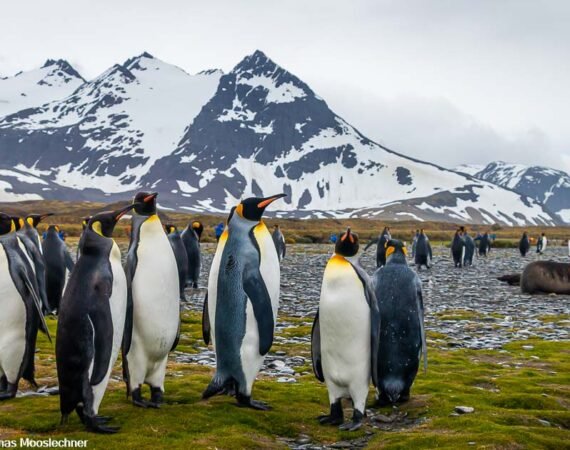
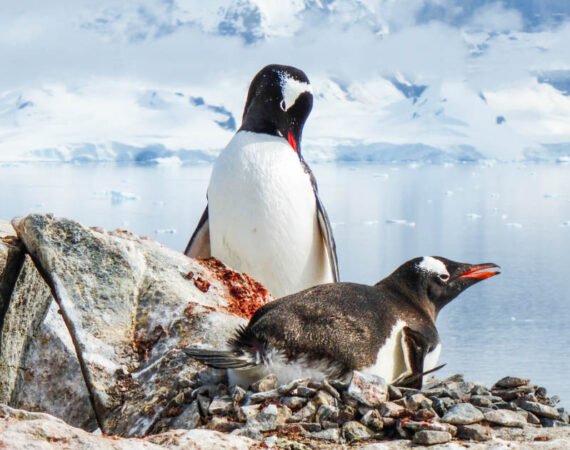
| Unique Penguin Diversity The Falklands are one of the few places where several penguin species live side by side. Rockhopper, gentoo, king, and Magellanic penguins can all be seen here. Watching them interact in natural surroundings is often a highlight and gives a deeper understanding of their behavior. | ||
| History and Human Stories The islands are shaped by maritime heritage, remote settlements, and places connected to polar history and global events. Visiting small communities and museums helps you understand how people live so far from the rest of the world — a perspective many find fascinating. | ||
| A Gentle Start to an Expedition Journey Many Antarctic itineraries begin with a visit to the Falklands. The climate is milder than Antarctica, landings are more accessible, and the landscapes feel open and inviting. This makes the Falklands an ideal first step before continuing toward South Georgia and the Antarctic Peninsula. | ||
| Tell us what interests you most — wildlife, photography, history, or a complete Southern Ocean experience — and we’ll help you find the Falklands itinerary that fits your travel style. |
Highlights of the Falkland Islands
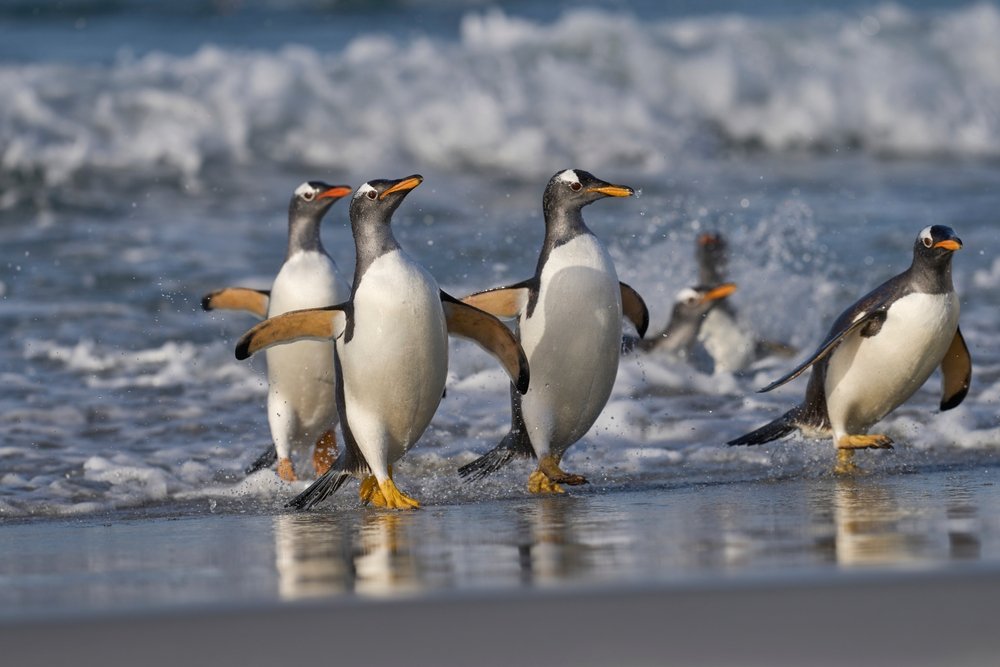
Wildlife Encounters
The Falkland Islands offer an impressive variety of wildlife in a compact area. Penguin colonies, seals and many seabird species can be observed at close distance, often in peaceful and natural surroundings. For many travelers, seeing several penguin species nesting and moving freely across the beaches becomes one of the most memorable parts of the journey.

Remarkable Birdlife
Bird enthusiasts will find the Falklands especially rewarding, as the islands are home to numerous breeding species. Albatross glide effortlessly along the cliffs, while skuas, petrels, and other seabirds nest in sheltered areas. The combination of dramatic island scenery and rich birdlife makes the region an ideal destination for photographers and nature enthusiasts.
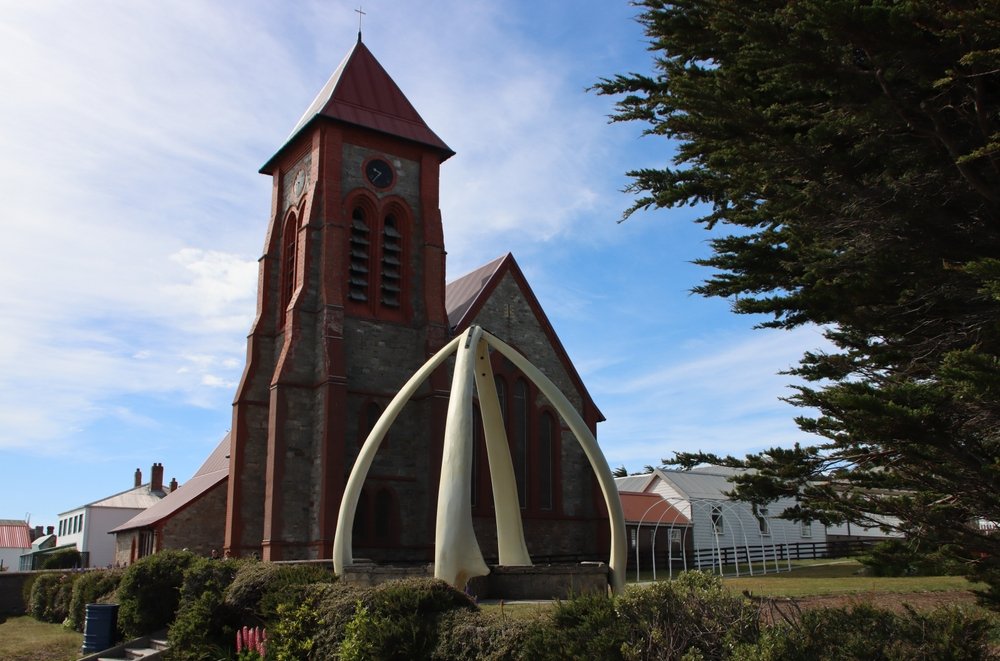
History and Local Culture
The Falkland Islands offer more than wildlife — they also carry stories of exploration, maritime heritage and more recent global events. Visiting small settlements, museums and memorials provides insight into life in a remote island community. The mixture of rugged landscape, rich wildlife and layered history gives the Falklands a unique character found in few other destinations.
Best Time to Visit the Falkland Islands
The Falkland Islands can be visited during the austral summer, from late October to March. Each part of the season offers a slightly different experience, so the “best time” depends on what you want to see.
Early Season (October–November)
Beaches feel quieter and untouched, with nesting seabirds and the first active penguin colonies. Landscapes are crisp and fresh — ideal for photographers.
Mid-Season (December–January)
This period offers milder weather, long daylight hours and very active wildlife. Landings are frequent and reliable, making it the most popular time to travel.
Late Season (February–March)
Penguin chicks are growing, seal pups become more visible along the coast and the light becomes softer — creating memorable photography conditions.
“Let’s begin your journey together. AntarcticaCruiseInfo.com is more than a travel agency — we are your partner for unforgettable polar experiences. With us, you benefit from expert knowledge, personal guidance, insider prices and a seamless service from start to finish. Flights, ship selection, packing advice — we take care of all the details.”
Daria Startseva
Polar Travel Expert
Best Trips to the Falkland Islands


Ready for the adventure of your life?
Reach out to us today and receive independent, expert guidance from passionate polar specialists who will assist you every step of the way from choosing the right expedition to booking and planning every detail of your journey. Here’s How It Works:
Listen & Advise
We listen and find out which ships, which routes and which price best suit your needs.
Reserve & Relax
Your cabin is reserved for at least 72 hours while you discuss the final details of your trip.
Prepare & Explore
You will receive expert packing tips, insider tips and more so that you can leave optimally prepared.
People Also Ask about the Falkland Islands
Yes, visitors can travel to the Falkland Islands. The most common way to visit is on an expedition cruise, often combined with South Georgia and Antarctica. Tourism is well-regulated to protect wildlife and landscapes, and only a limited number of ships visit each season. If you’re planning to go, joining an organized expedition is the easiest and most practical way.
Since the Falkland Islands are a British Overseas Territory, UK citizens can apply to live and work there. However, moving permanently requires permits and employment arrangements. For travelers, visiting is simple, but relocating is more complex and usually tied to specific jobs or government contracts.
Temperatures in the Falklands are cool year-round due to the Southern Ocean climate. Even in summer, expect mild, fresh conditions with average highs around 10–15°C (50–59°F). Wind and weather can change quickly, so layered clothing is essential.
Penguins can be seen throughout the main travel season, from late October to March. Different species are visible at different times, but this entire period offers excellent opportunities to observe nesting behavior, chicks and adult penguins at close but respectful distances.
January is typically the warmest month in the Falklands, with average temperatures around 12–15°C (54–59°F). Longer daylight hours and calmer weather make this period especially comfortable for shore excursions and wildlife viewing.
Many travelers consider the Falkland Islands a highlight of their Southern Ocean journey. The mix of wildlife, open landscapes, small settlements and rich history creates a unique experience you won’t find elsewhere. If you enjoy photography, wildlife or remote destinations, the Falklands are well worth adding to your itinerary.