4.61/5 Very good | Experts for Polar Expeditions

Guide to an Antarctic Circle Cruise

Crossing the Antarctic Circle is not just a milestone on the map; it is a journey into one of the most remote and extraordinary regions on Earth.

Your Guide to the Antarctic Circle

On this page, you will find everything you need to plan your Antarctic Circle expedition, from routes and travel conditions to expert guidance and booking support. Our experienced team is here to help you at every step, offering honest advice and full assistance before and after your reservation. 

If you are looking for a truly rare Antarctic experience, you are in the right place.

There are no hotels in Antarctica. Your expedition ship becomes your floating base and home throughout the journey. Only a small number of travelers ever reach the 66th parallel south and cross the Antarctic Circle.

Longer Antarctic Circle voyages allow more time to observe wildlife and absorb the vast ice landscapes, offering a deeper and more immersive experience than shorter Antarctic trips.

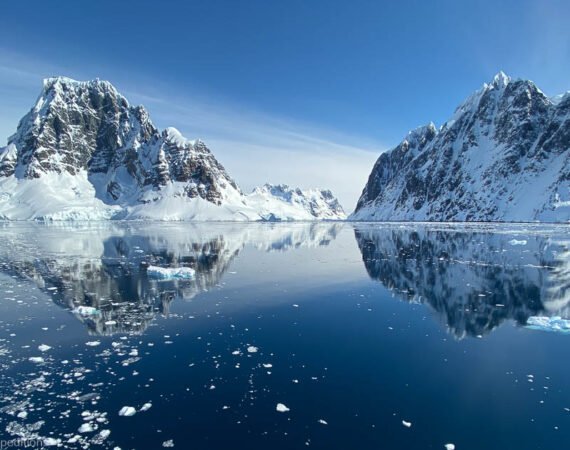
These expeditions travel farther south than most standard itineraries, reaching some of the least visited and most untouched areas of the Antarctic Peninsula.

During the Antarctic high summer, the sun does not set once you cross the Antarctic Circle. You experience the remarkable phenomenon of 24-hour daylight.

With favorable conditions, you may reach dramatic locations such as The Gullet, visit remote research stations, or even spot an emperor penguin in the Lallemand Fjord. Every expedition is unique, shaped by ice, weather, and nature.

→ Tell us what matters most to you: reaching the Antarctic Circle, extended time in the ice, photography, or a true expedition experience and we’ll help you choose the voyage that fits your travel style.

Guide to Travel to the Antarctic Circle at 66° South

What Is the Antarctic Circle?

What Is the Antarctic Circle?

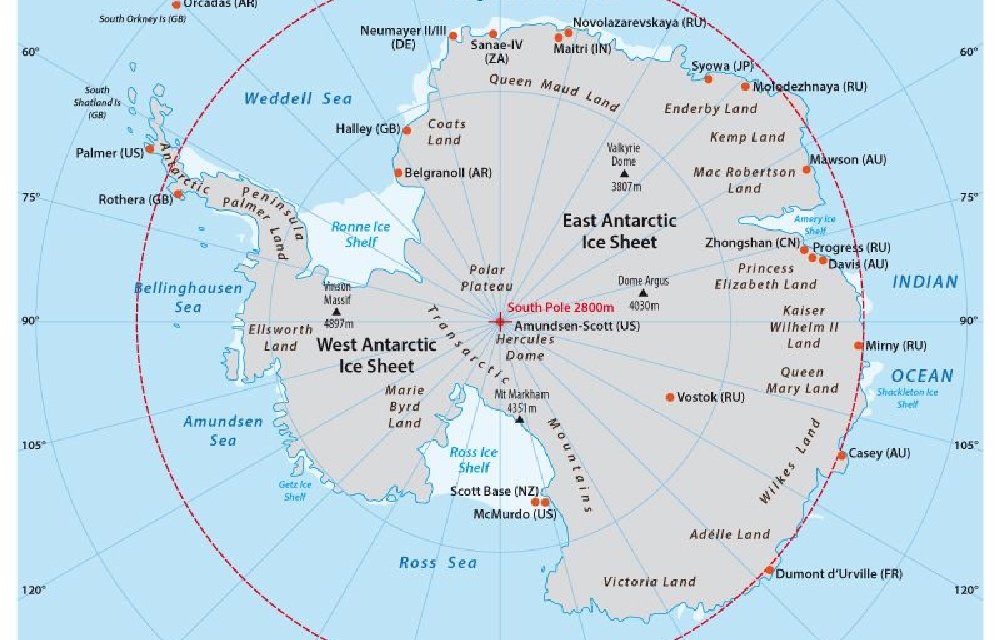
The Antarctic Circle is one of the five major circles of latitude on Earth and appears on all detailed world maps. A journey to the Antarctic Circle goes beyond exploring the west coast of the Antarctic Peninsula and includes crossing the Antarctic Circle at 66 degrees south.

Farther South Than Other Voyages

Farther South Than Other Voyages

This route places you among a small group of explorers who have traveled so far south. Antarctica itself is already an exceptional destination, but an Antarctic Circle cruise takes you even deeper, reaching some of the most remote and rarely visited areas of the continent.

Antarctic Circle Voyages Take Longer

Antarctic Circle Voyages Take Longer

On a classic Antarctica cruise, travelers typically spend around four to five days in Antarctica, excluding the time spent sailing to and from the continent. An Antarctic Circle cruise extends this to six or seven days in Antarctica due to the additional distance required to reach the Antarctic Circle.

Best Time to Visit the Antarctic Circle

Antarctic Circle cruises operate during the austral summer, from late October to March. Each phase of the season offers a slightly different experience, so the best time to cross the Antarctic Circle depends on your priorities, such as ice conditions, wildlife activity, and photography.

Early Season (October–November)

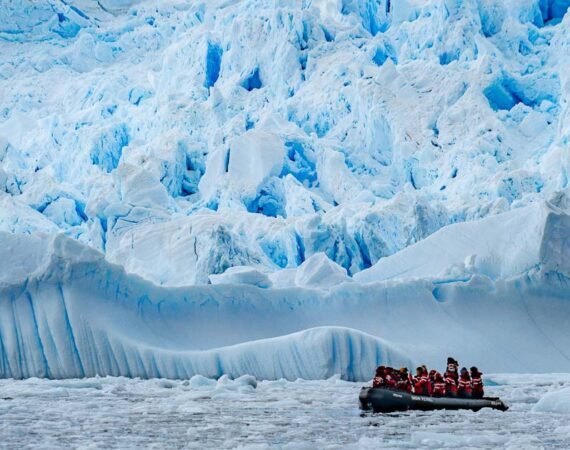
At the beginning of the season, ice conditions are at their most dramatic. Snow coverage is high, sea ice is thicker, and landscapes appear pristine and untouched. Fewer ships operate this early, making it an excellent time for travelers seeking raw scenery and a stronger sense of exploration.

Mid-Season (December–January)

Mid-season is the most popular time for Antarctic Circle cruises. Weather conditions are generally milder, daylight hours are long, and wildlife activity is high along the Antarctic Peninsula. Ice conditions often allow ships to push farther south, increasing the chances of crossing the Antarctic Circle.

Late Season (February–March)

By late season, sea ice may begin to loosen, depending on the year. Penguin chicks are larger, whale sightings become more frequent, and softer light creates excellent photography conditions. While ice conditions vary, this period can still offer successful Antarctic Circle crossings on well-planned expeditions.

“The journey to the Antarctic Circle takes an extra day beyond the classic Antarctica routes. But the ice that far south is thick enough for you to step directly onto it from your ship’s lowered gangway. It is a breathtaking moment.”

Polar Travel Expert

Polar Travel Expert

Do You See More Wildlife at the Antarctic Circle?

The short answer is no. Traveling to the Antarctic Circle does not mean you will see more animals.

The farther south you travel, the fewer animals you generally encounter. As you move deeper into the southern latitudes, the landscape becomes increasingly stark, with heavier ice and fewer wildlife colonies. This change is noticeable quite quickly once you are on board.

How Do I Choose the Right Antarctic Circle Voyage?

Selecting the right ship and ensuring enough time on land with meaningful activities is essential for a journey to the end of the world. Even though there are fewer Antarctic Circle voyages available, comparing itineraries and ships can quickly feel like an expedition in itself.

You can choose between classic cruises of around 15 days or longer, or an air cruise option that includes a two-hour flight directly to the expedition ship already waiting in Antarctica.

It is important to carefully review the itinerary, ship, and travel dates. For example, only 100 passengers are allowed on land at the same time in Antarctica. Smaller ships therefore offer significantly more time ashore and more frequent activities.

Best Trips to the Antarctic Circle

Ready for the adventure of your life?

Reach out to us today and receive independent, expert guidance from passionate polar specialists who will assist you every step of the way from choosing the right expedition to booking and planning every detail of your journey. Here’s How It Works:

Listen & Advise

We listen and find out which ships, which routes and which price best suit your needs.

Reserve & Relax

Your cabin is reserved for at least 72 hours while you discuss the final details of your trip.

Prepare & Explore

You will receive expert packing tips, insider tips and more so that you can leave optimally prepared.

People Also Ask about the Antarctic Circle

You do not reach the Antarctic Circle by plane, as there is no airport. The only way to travel to the Antarctic Circle is by ship. Your expedition vessel serves as your floating hotel and your base for exploring Antarctica.

The travel season for the Antarctic Circle runs from late October through March. The first cruises usually depart toward the Antarctic Circle in early November, while the last voyages typically leave Ushuaia in the first week of March.

At the beginning of the season, Antarctica is still heavily covered in snow. You will see more ice, more icebergs, and a raw, dramatic landscape, making this period ideal for landscape photography.

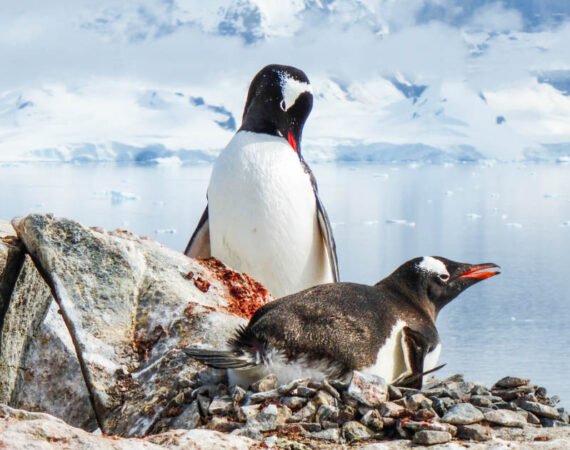
For many travelers, the peak of the Antarctic season is December and January, when penguins lay their eggs. Northern bays are more ice-free, allowing ships to travel farther south.

Toward the end of the season, from February onward, bays become increasingly ice-free, whale sightings become more frequent, and penguin chicks are already growing larger.

The amount of time you spend in Antarctica depends on the voyage you choose. On an Antarctic Circle cruise, you typically spend around six to seven days on the continent.

The longest sea voyages, which include extended stays in Antarctica and reach the Antarctic Circle, can last up to a month. These semi-circumnavigation cruises operate only a few times per year, making early booking essential.

An Antarctic Circle cruise is an extension of a classic Antarctic Peninsula voyage. You will experience Antarctic wildlife as conditions allow in one of the most remote regions on Earth.

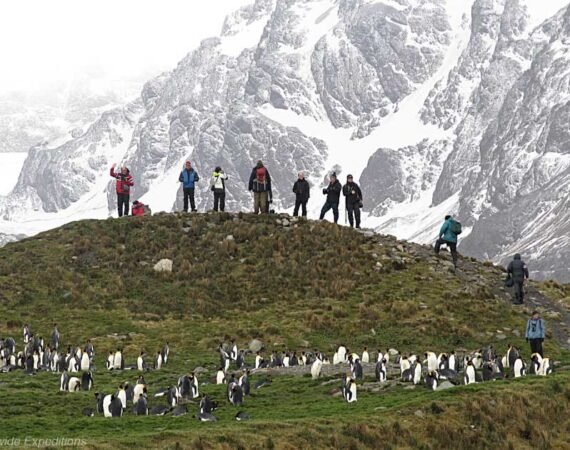
Most wildlife encounters take place in the northern part of the Antarctic Peninsula, which is also where classic cruises operate. This is where animal populations are highest, including penguin colonies, seals, and occasional whale sightings near landing sites.

The farther south your ship travels, the fewer animals you will encounter. Ice conditions become more challenging, and the landscape grows increasingly rugged and untouched.

Yes. There is a very limited selection of Antarctic Circle voyages with a German-speaking expedition team. In addition, some selected cruises offer at least one German-speaking lecturer on board for presentations and landings.

The onboard language on most Antarctic Circle cruises is English. We are happy to advise you in a free consultation on which German-speaking voyages are currently available. You can find more information about German-speaking Antarctica cruises here.

Compared to classic Antarctic Peninsula cruises, there are far fewer departures to the Antarctic Circle. Some operators offer only one or two Antarctic Circle voyages per season.

For the widest choice of routes, ships, and cabins, our recommendation is simple: the earlier, the better.

To secure your preferred option, you should plan to book 12 to 24 months before your intended travel date. This gives you access to the full range of available cruises and may also include early booking discounts.

Most cruise operators publish Antarctic Circle departure dates 15 to 24 months in advance.