Who Is This Antarctica Wildlife Guide For?
This guide is especially helpful for travelers planning an Antarctica cruise focused on wildlife experiences, photography, and penguin encounters. Different regions of Antarctica are known for different animals, so your itinerary can greatly affect what you’ll see.
- Travelers visiting the Antarctic Peninsula: Best for penguin colonies, seals, whale watching, and classic Antarctic landscapes
- Discover More: Your Guide to the Antarctic Peninsula
- Travelers visiting South Georgia: Ideal for king penguins, elephant seals, fur seals, and some of the largest wildlife colonies in the Southern Ocean.
- Read More: Southern Georgia Travel by cruise
- Travelers visiting the Falkland Islands: Great for seeing multiple penguin species, including gentoo, rockhopper, and Magellanic penguins.
- Explore More: Falkland Islands Cruise Expeditions
- Travelers exploring the Weddell Sea: Known for dramatic ice formations, emperor penguins on select expeditions, and rare wildlife encounters.
- Learn More: Best trips to the Weddell Sea
- Travelers visiting the South Shetland Islands: Popular for chinstrap penguins, seabirds, and early Antarctic expedition landing sites.
- See More: Your Guide to the South Shetland Islands
- Travelers crossing the Southern Antarctic Circle: Perfect for travelers hoping to experience remote polar scenery, massive icebergs, and untouched wildlife regions.
- Find Out More: Guide to an Antarctic Circle Cruise
What Animals Can You See in Antarctica?
Antarctica is home to some of the world’s most fascinating wildlife species. While penguins are the continent’s most famous residents, Antarctica also offers incredible whale watching, massive seal colonies, and unique seabirds found nowhere else on Earth.
Here are the main animals travelers can see during an Antarctica cruise:
Penguins

- Emperor Penguins
- King Penguins
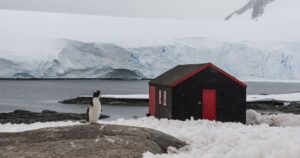
- Gentoo Penguins
- Adélie Penguins
- Chinstrap Penguins
- Macaroni Penguins
- Rockhopper Penguins
- Magellanic Penguins (mainly Falkland Islands)
Seals
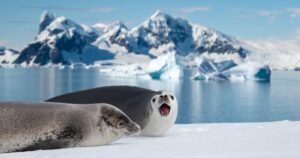
- Leopard Seals
- Weddell Seals
- Crabeater Seals
- Elephant Seals Antarctic Fur Seals
- Ross Seals
Whales
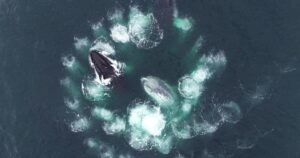
- Humpback Whales
- Orcas (Killer Whales)
- Minke Whales
- Blue Whales
- Fin Whales
- Sperm Whales
Sea Birds

- Albatrosses
- Snow Petrels
- Antarctic Terns
- Skuas
- Cormorants (Shags)
- Giant Petrels
Other Marine Life
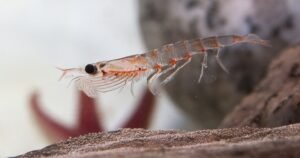
- Antarctic Krill
- Starfish
- Icefish
- Squid species
The animals you encounter often depend on which Antarctica region you visit, the season of your cruise, and how far south your expedition travels. Penguins, seals, and whales are among the most commonly seen animals during most Antarctica cruises.
Penguins in Antarctica
1. Emperor Penguin
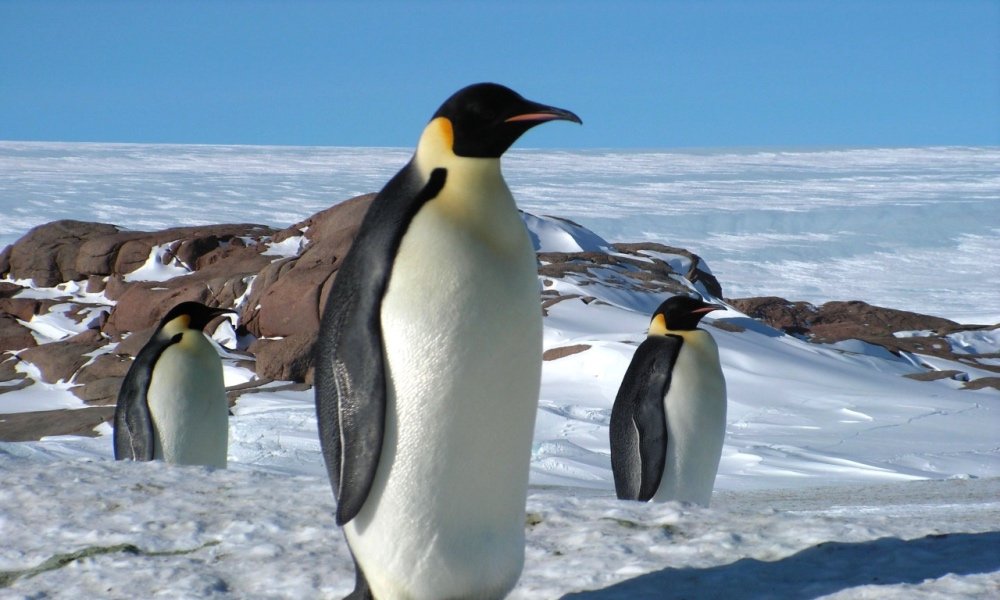
- Population: around 600,000 individuals
- Find them: Weddell Sea & remote Antarctic regions
- When: best seen from November to January on specialized expeditions
The largest penguin species in the world, emperor penguins are famous for surviving Antarctica’s brutal winter conditions. They breed directly on sea ice and are known for their tightly packed colonies and remarkable parenting behavior.
2 .King Penguin
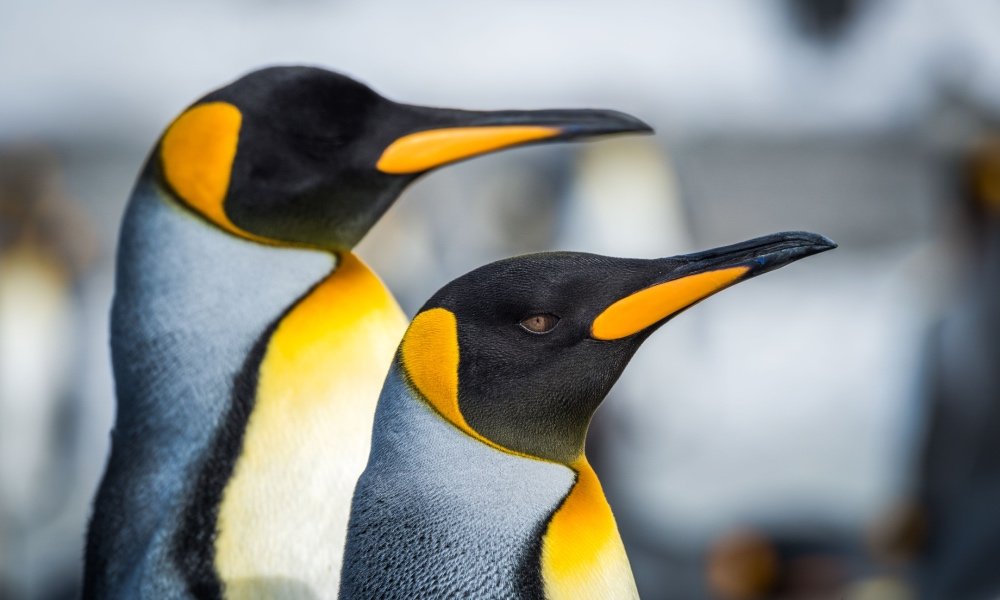
- Population: around 2.2 million breeding pairs
- Find them: South Georgia & Falkland Islands
- When: can be seen throughout the Antarctic cruise season
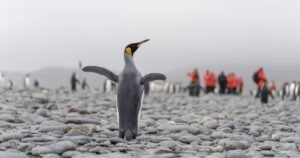
King penguins are the second–largest penguin species and are easily recognized by their orange-yellow markings around the neck. South Georgia hosts some of the world’s largest king penguin colonies.
3 .Gentoo Penguin
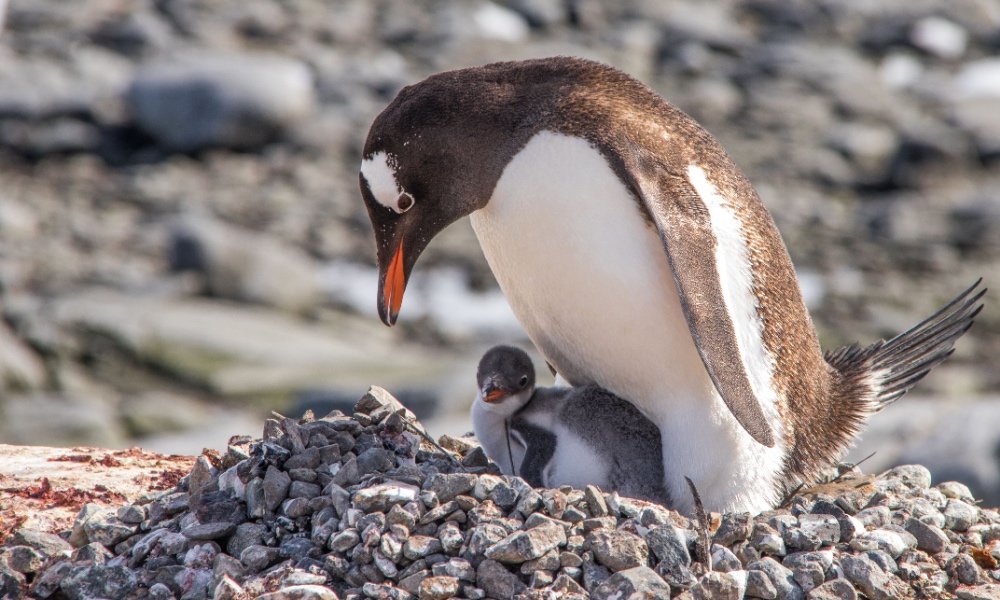
- Population: around 774,000 breeding pairs
- Find them: Antarctic Peninsula, Falkland Islands & South Shetland Islands
- When: breeding season from October to March
Gentoo penguins are known for their bright orange beaks and white stripe across the head. They are among the most commonly seen penguins during Antarctica cruises and are the fastest underwater swimmers among penguin species.
4 .Adélie Penguin
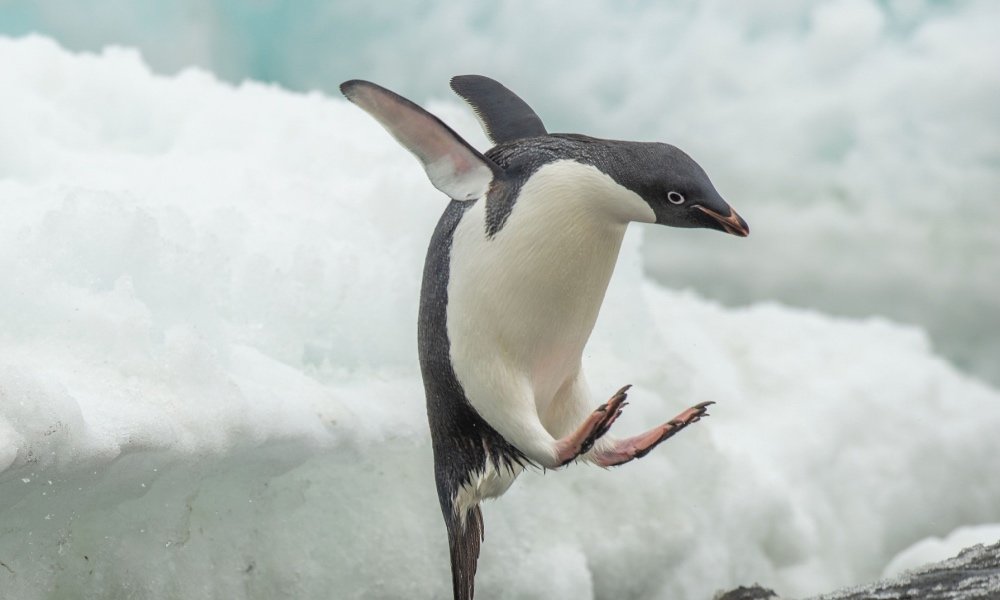
- Population: around 5 million individuals
- Find them: Antarctic Peninsula & Ross Sea
- When: breeding from October to February, chicks visible from late December
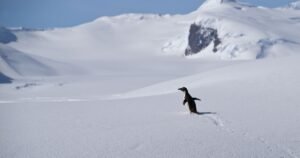
Recognizable by the white ring around their eyes, Adélie penguins are one of Antarctica’s true native penguin species. They spend their entire lives in and around the Antarctic continent.
5 .Chinstrap Penguin
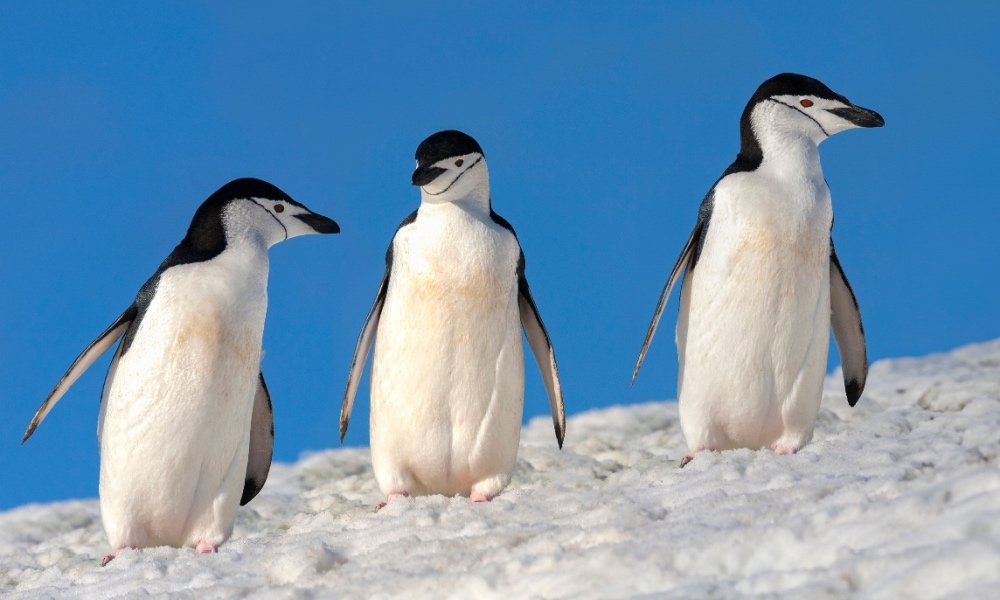
- Population: around 8 million breeding pairs
- Find them: South Shetland Islands & Antarctic Peninsula
- When: best seen from November to March
Chinstrap penguins get their name from the thin black line under their chin. They are energetic, noisy, and often form enormous colonies on rocky Antarctic islands.
6 .Macaroni Penguin
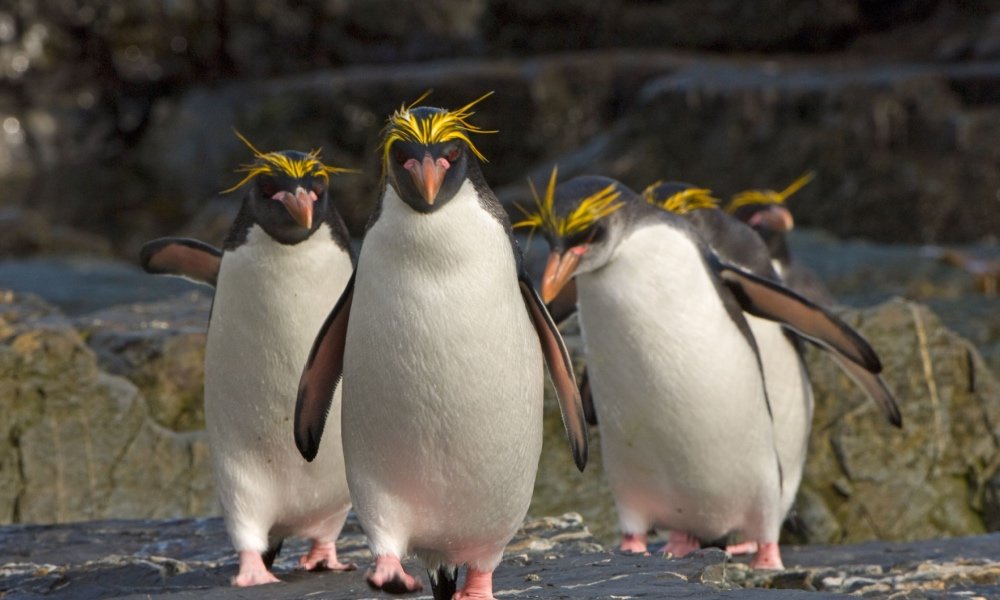
- Population: over 12 million individuals
- Find them: South Georgia & subantarctic islands
- When: breeding season from November to April
Macaroni penguins stand out thanks to their bright yellow-orange crest feathers. They are among the most numerous penguin species in the world and often nest in densely packed colonies.
7 .Rockhopper Penguin
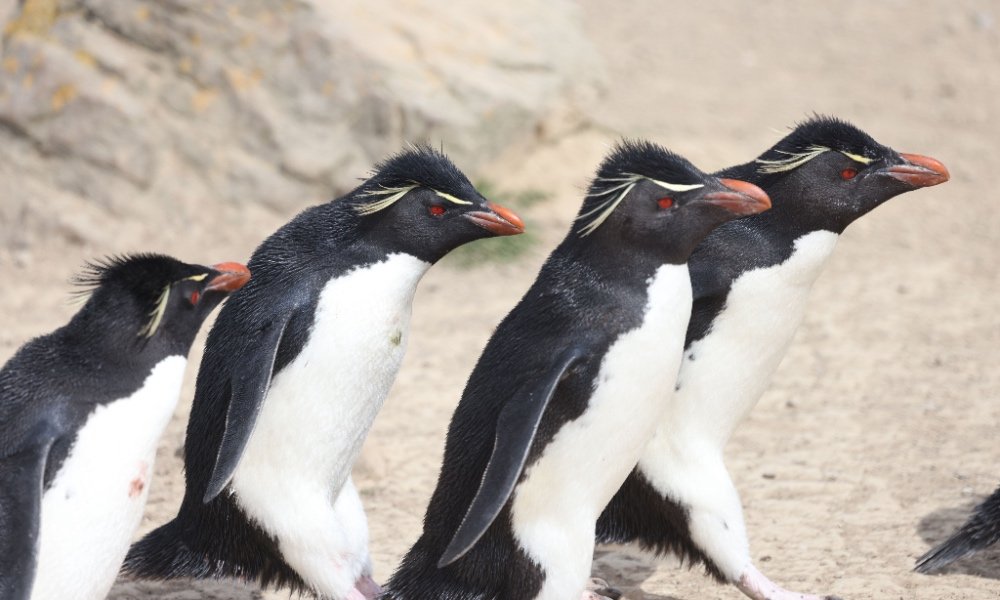
- Population: around 1.5 million breeding pairs
- Find them: Falkland Islands & subantarctic islands
- When: usually seen from October to March
Small but extremely energetic, rockhopper penguins are famous for hopping across steep rocky cliffs instead of sliding on ice like other penguins.
8 .Magellanic Penguin
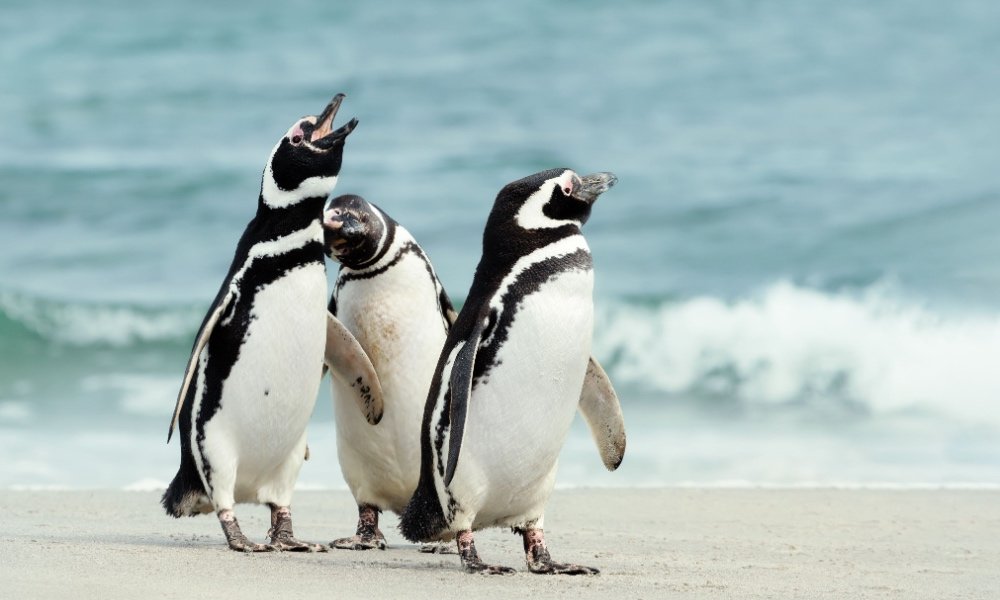
- Population: around 1.3 million breeding pairs
- Find them: Falkland Islands & southern Patagonia
- When: best seen during the austral summer
Magellanic penguins are mostly associated with South America, but some Antarctica itineraries including the Falkland Islands offer opportunities to see them. They are recognized by the black bands across their chest.
Seals in Antarctica
1. Leopard Seal
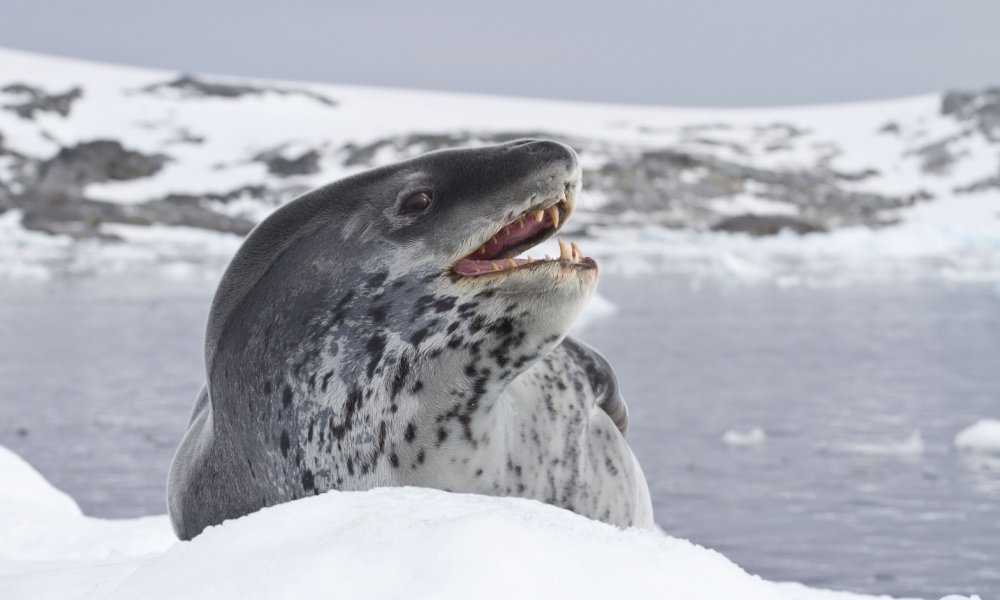
- How to see them: Often spotted resting on ice floes during Zodiac cruises and coastal landings.
- Where to see them: Antarctic Peninsula & South Shetland Islands
One of Antarctica’s top predators, leopard seals are known for their powerful jaws and surprisingly sleek appearance.
2. Weddell Seal
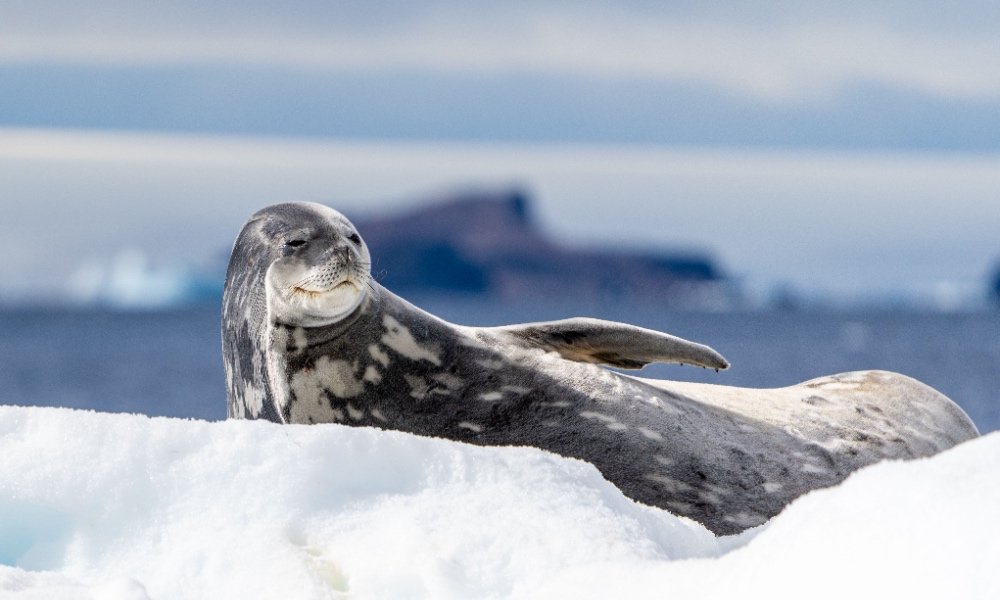
- How to see them: Frequently seen sleeping on sea ice near landing sites.
- Where to see them: Weddell Sea & Antarctic Peninsula
Weddell seals are among the calmest and most photogenic seals in Antarctica.
3. Crabeater Seal
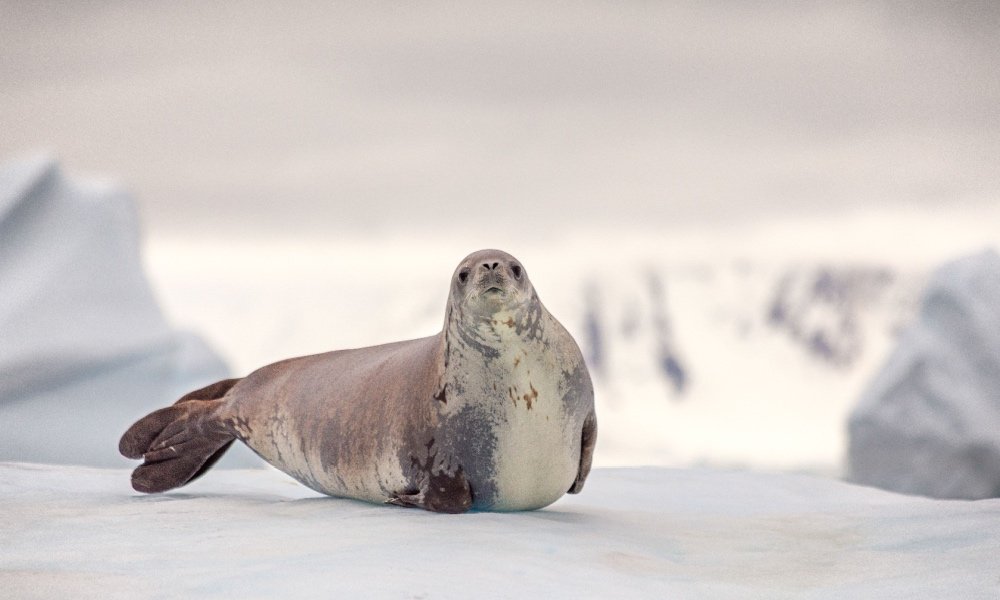
- How to see them: Commonly spotted in groups on drifting ice.
- Where to see them: Antarctic Peninsula & pack ice regions
Despite their name, crabeater seals mainly feed on Antarctic krill.
4. Elephant Seal
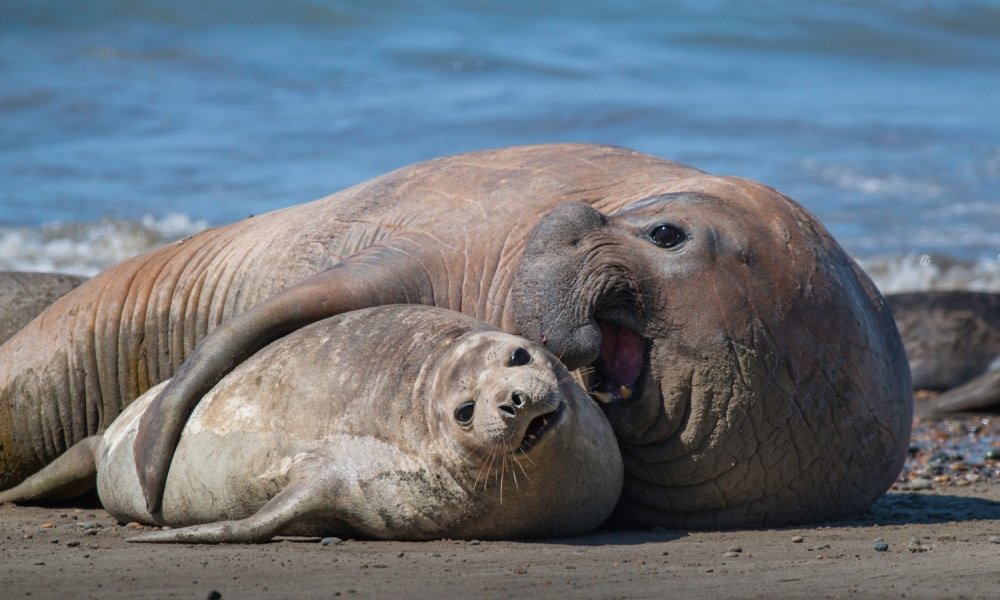
- How to see them: Often found resting on beaches in huge colonies.
- Where to see them: Where to see them: South Georgia & Falkland Islands
Elephant seals are the largest seal species in Antarctica, with males reaching enormous sizes.
5. Antarctic Fur Seal
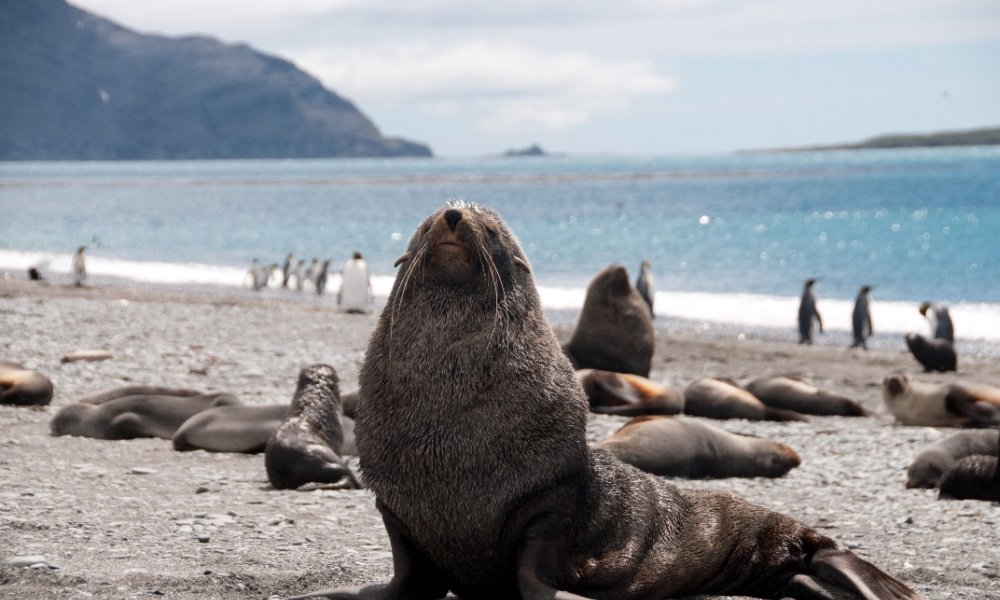
- How to see them: Frequently encountered during shore landings and coastal walks.
- Where to see them: South Georgia & South Shetland Islands
Antarctic fur seals are energetic, fast–moving, and known for their thick fur coats.
6. Ross Seal
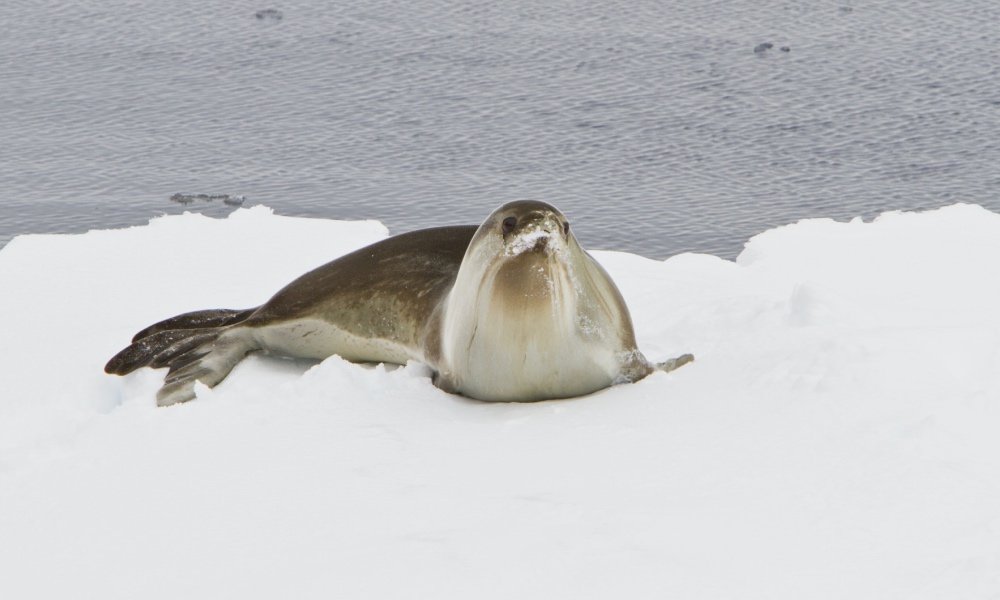
- How to see them: Rarely seen during specialized expeditions into remote ice regions.
- Where to see them: Where to see them: Ross Sea & eastern Antarctica
Ross seals are among the least commonly seen Antarctic seal species.
Whales in Antarctica
1. Humpback Whale
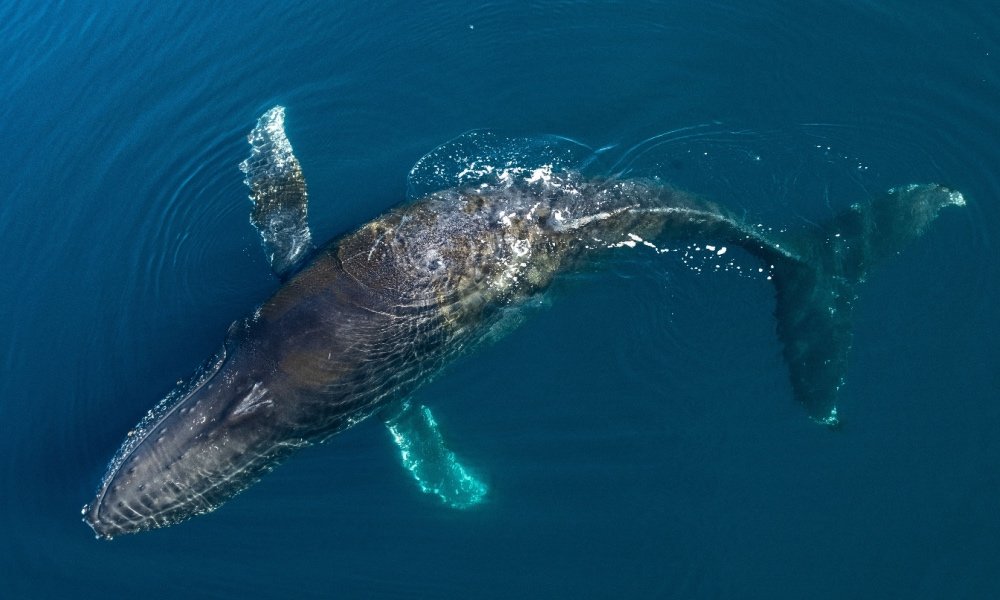
- When to see: December to March
- Where to see them: Antarctic Peninsula & Gerlache Strait
Humpback whales are the most commonly spotted whales during Antarctica cruises, famous for dramatic tail dives, breaching, and close encounters near expedition ships.
2. Orca (Killer Whale)

- When to see: January to March
- Where to see them: Antarctic Peninsula & pack ice regions
Orcas are Antarctica’s top marine predators and are often seen traveling in highly organized family groups near sea ice.
3. Minke Whale
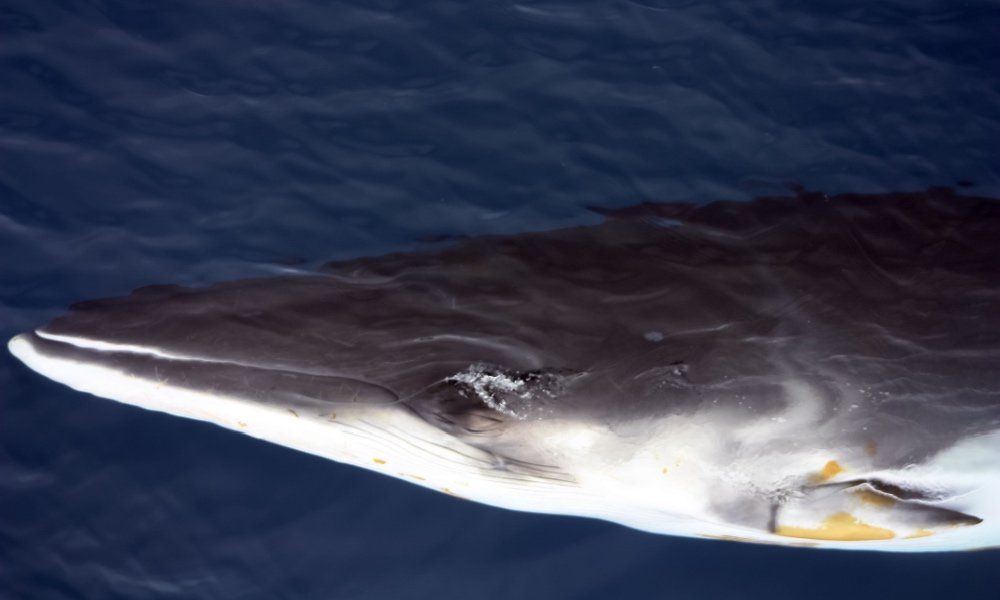
- When to see: December to February
- Where to see them: Antarctic Peninsula & icy coastal waters
Minke whales are smaller and faster than many Antarctic whale species, often appearing surprisingly close to Zodiac boats.
4. Blue Whale
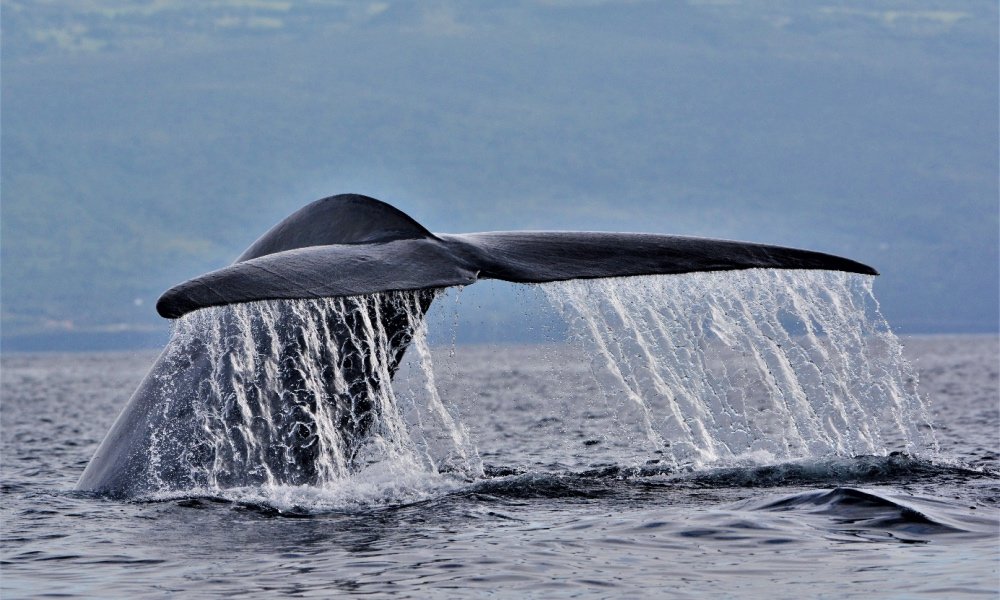
- When to see: Late January to March
- Where to see them: Southern Ocean & deeper Antarctic waters
The blue whale is the largest animal ever known to exist on Earth, and Antarctica remains one of its most important feeding grounds.
5. Fin Whale
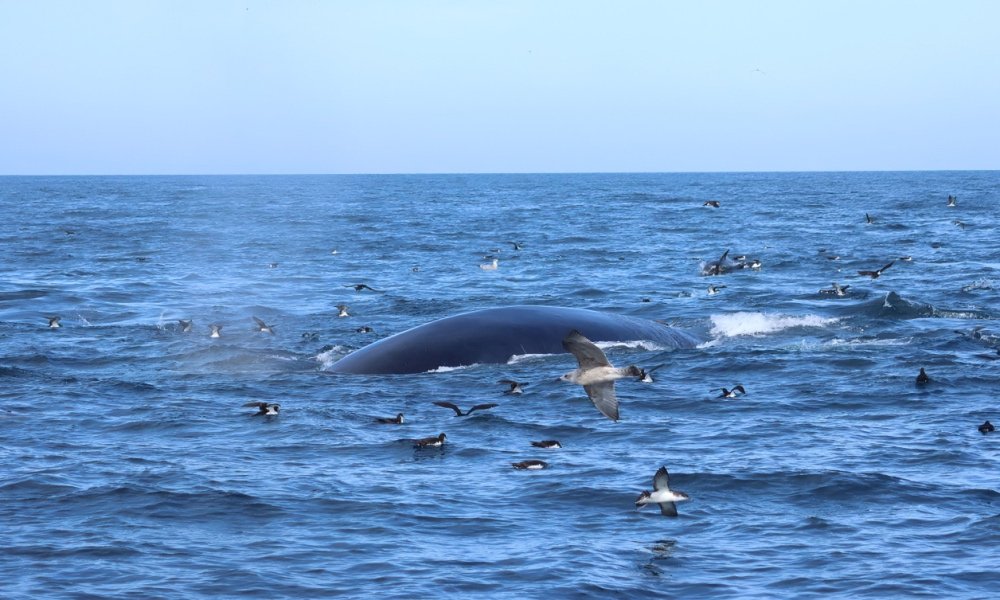
- When to see: January to March
- Where to see them: Open Southern Ocean waters
Fin whales are the second–largest whales in the world and are recognized by their long, streamlined bodies and incredible swimming speed.
6. Sperm Whale
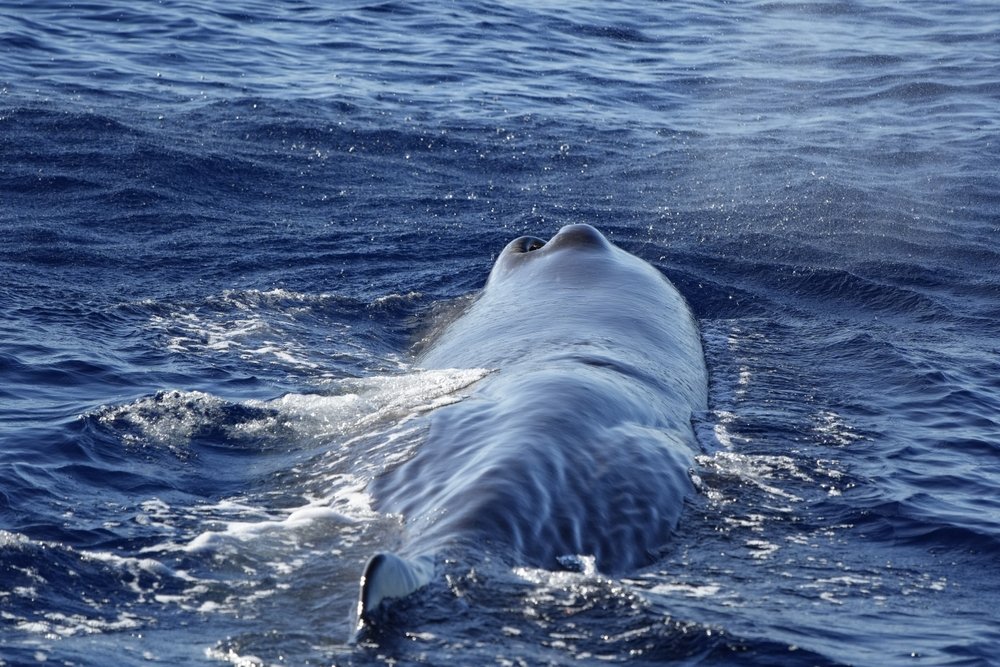
- When to see: Occasionally from December to March
- Where to see them: Deep Southern Ocean waters
Sperm whales are less commonly seen on Antarctica cruises, but some longer expeditions may encounter them in deeper offshore waters.
Birds & Seabirds in Antarctica
1. Albatrosses
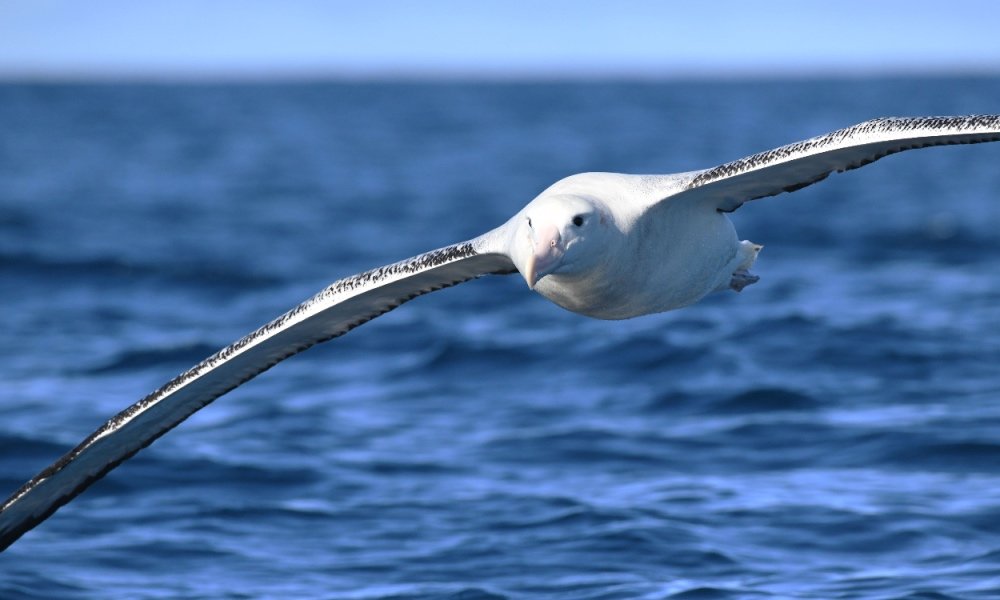
- Where to see them: Drake Passage & Southern Ocean
Known for their enormous wingspans, albatrosses can glide across the ocean for hours without flapping their wings.
2. Snow Petrels
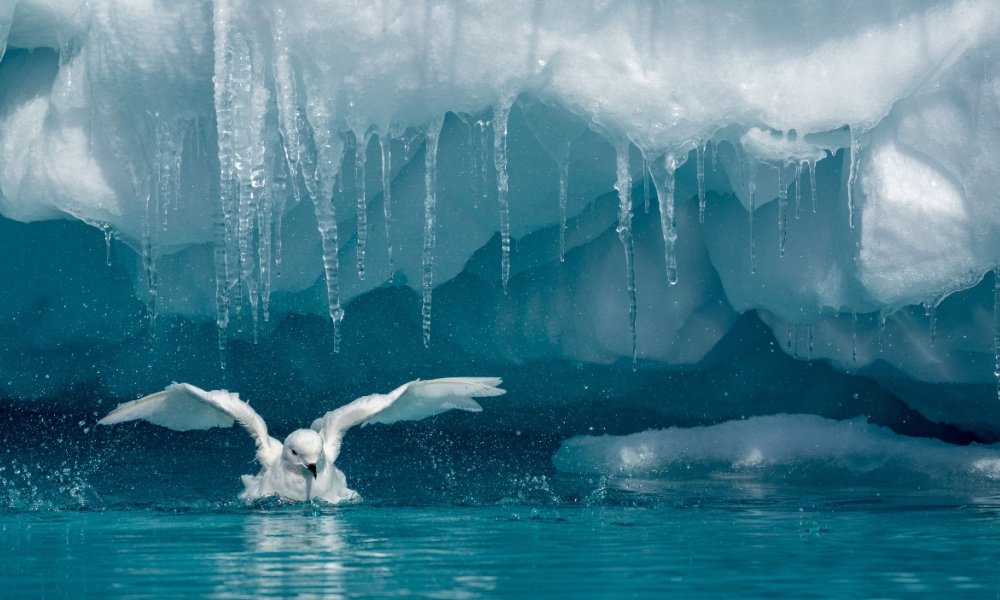
- Where to see them: Antarctic Peninsula & coastal Antarctica
These bright white birds are one of the few seabird species that live deep within Antarctica itself.
3. Antarctic Terns
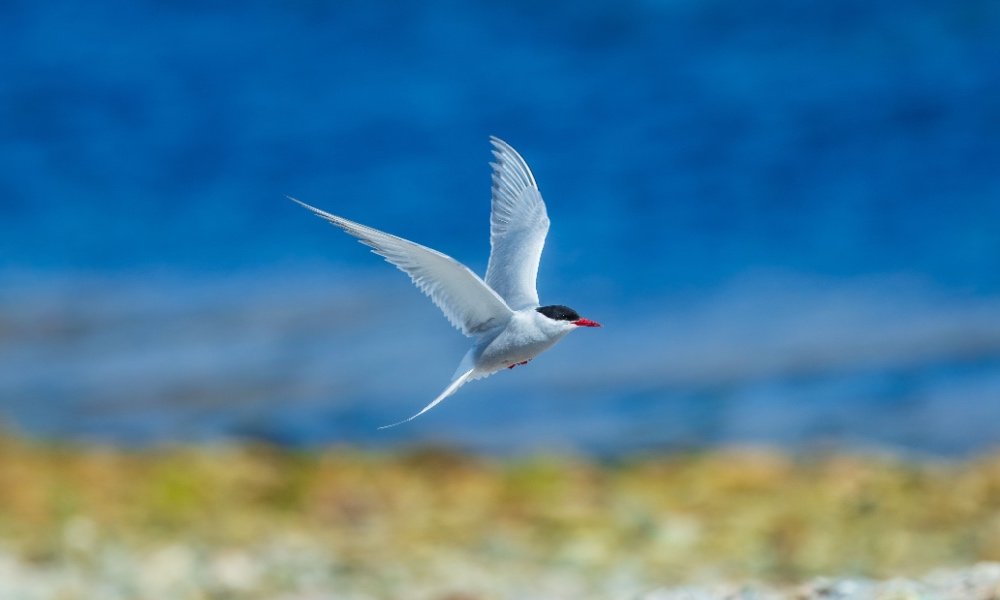
- Where to see them: Antarctic Peninsula & South Shetland Islands
Antarctic terns are elegant migratory seabirds often seen flying above calm coastal waters.
4. Skuas

- Where to see them: Penguin colonies across Antarctica
Skuas are highly intelligent seabirds known for protecting their nesting areas aggressively.
5. Cormorants (Shags)
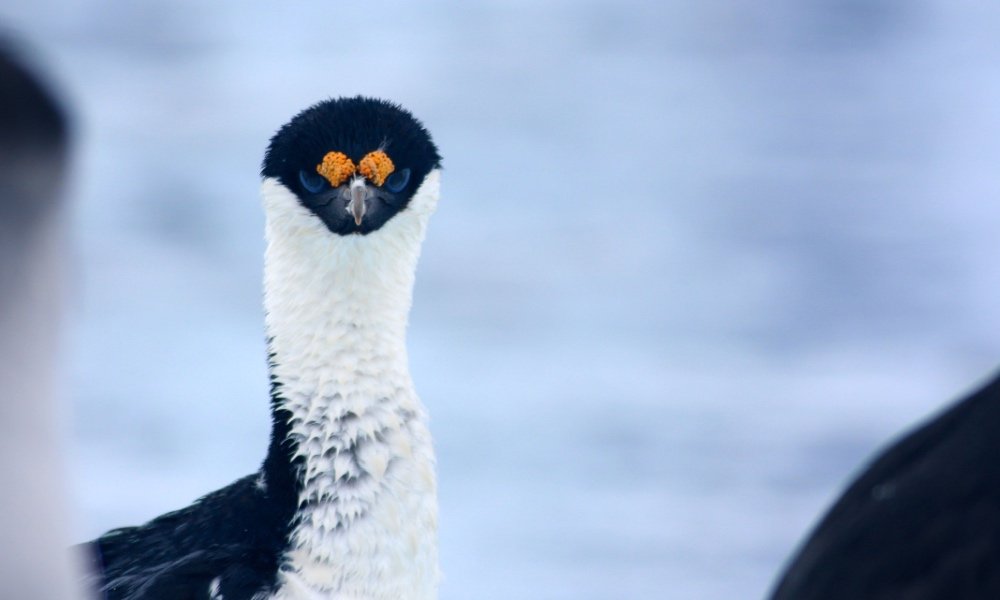
- Where to see them: Antarctic Peninsula & rocky coastal cliffs
Antarctic shags are commonly seen drying their wings near landing sites and nesting on steep cliffs.
6. Giant Petrels
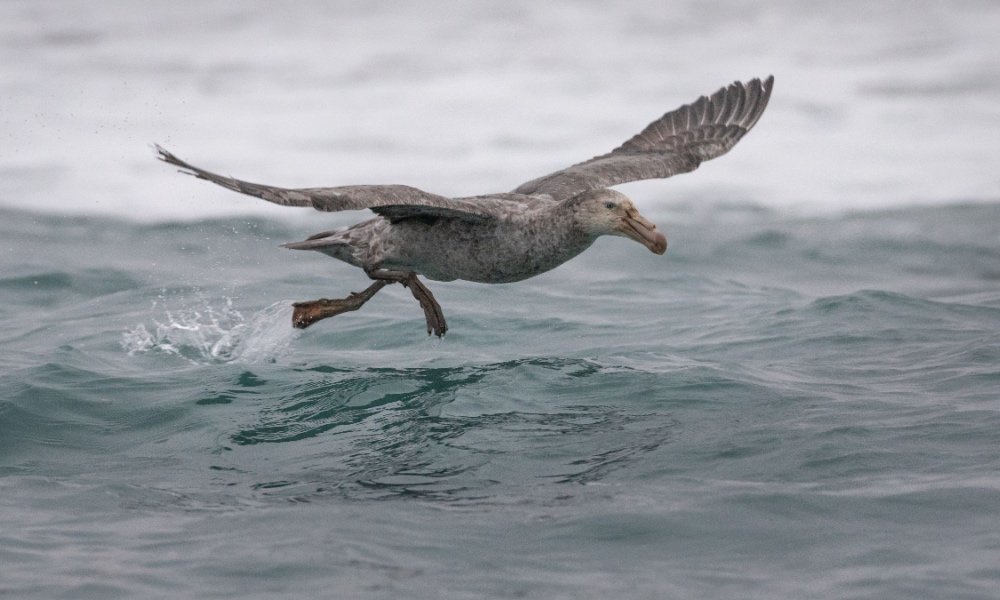
- Where to see them: Southern Ocean & Antarctic coastlines
These large seabirds are powerful scavengers often spotted soaring above expedition ships.
Other Marine Life in Antarctica
Antarctica’s ecosystem depends on an incredible variety of marine life living beneath the icy Southern Ocean. Many of these smaller species play a critical role in supporting whales, seals, penguins, and seabirds.
1. Antarctic Krill
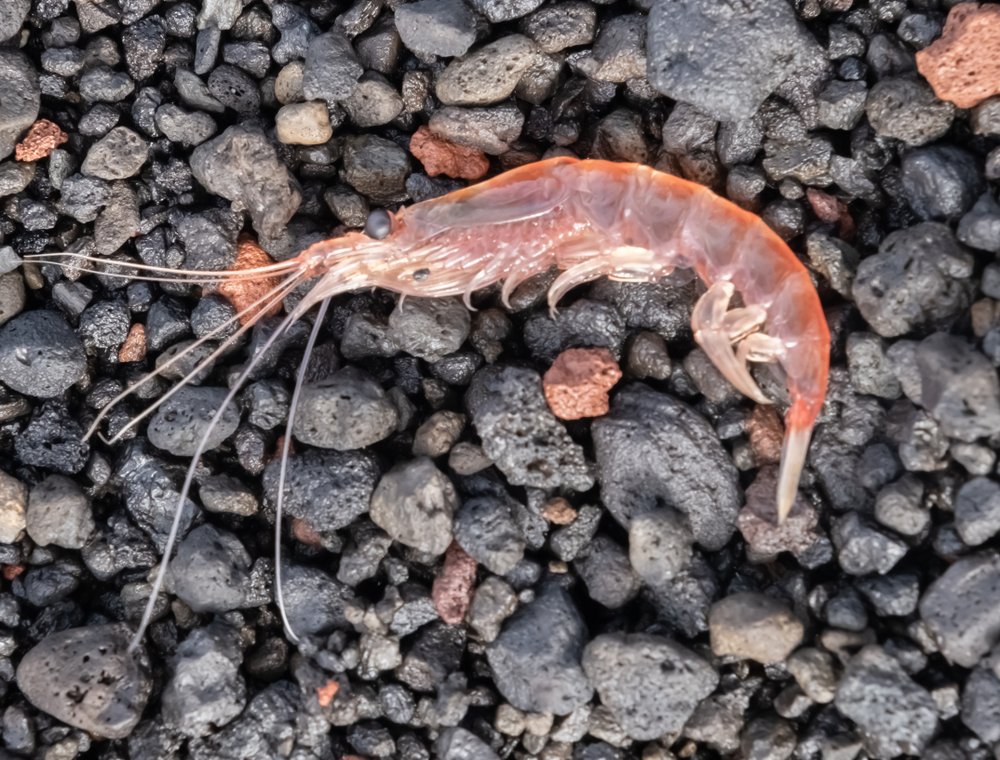
Tiny shrimp-like creatures that form the foundation of the Antarctic food chain and feed many of the continent’s largest animals.
2. Starfish
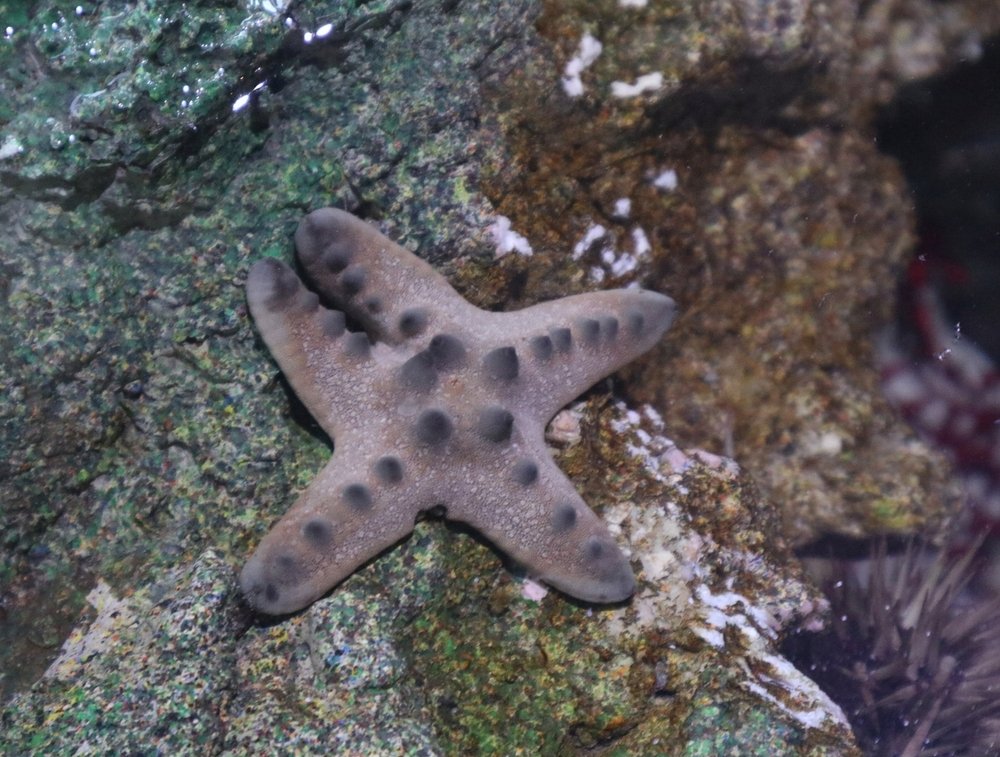
Antarctic starfish come in surprisingly vibrant colors and can survive in extremely cold deep-sea environments.
3. Icefish
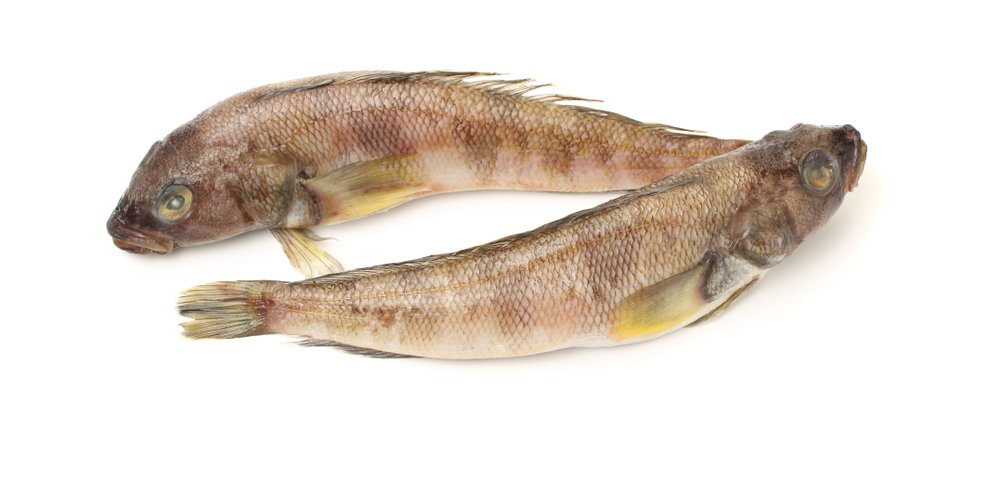
Antarctic starfish come in surprisingly vibrant colors and can survive in extremely cold deep-sea environments.
4. Squid Species
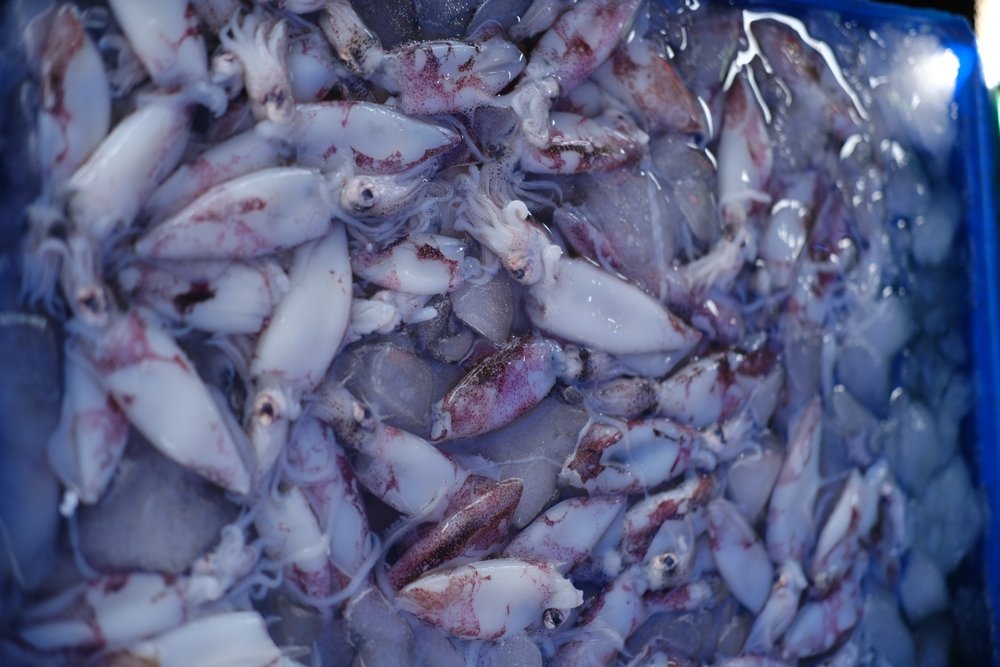
Several squid species live in Antarctic waters and serve as an important food source for whales, seals, and seabirds.
Polar Bears in the Arctic
Polar bears are among the world’s most iconic Arctic animals, famous for their massive size, thick white fur, and ability to survive in freezing polar environments. As powerful marine predators, they spend much of their lives on sea ice hunting seals across the Arctic region.
Because Antarctica is also covered in ice and snow, many travelers naturally assume polar bears live there as well. In fact, “Polar Bears in Antarctica” has become one of the most searched wildlife questions related to Antarctica cruises and polar travel.
However, despite the similarities between the Arctic and Antarctica, polar bears and penguins never naturally live together in the wild.
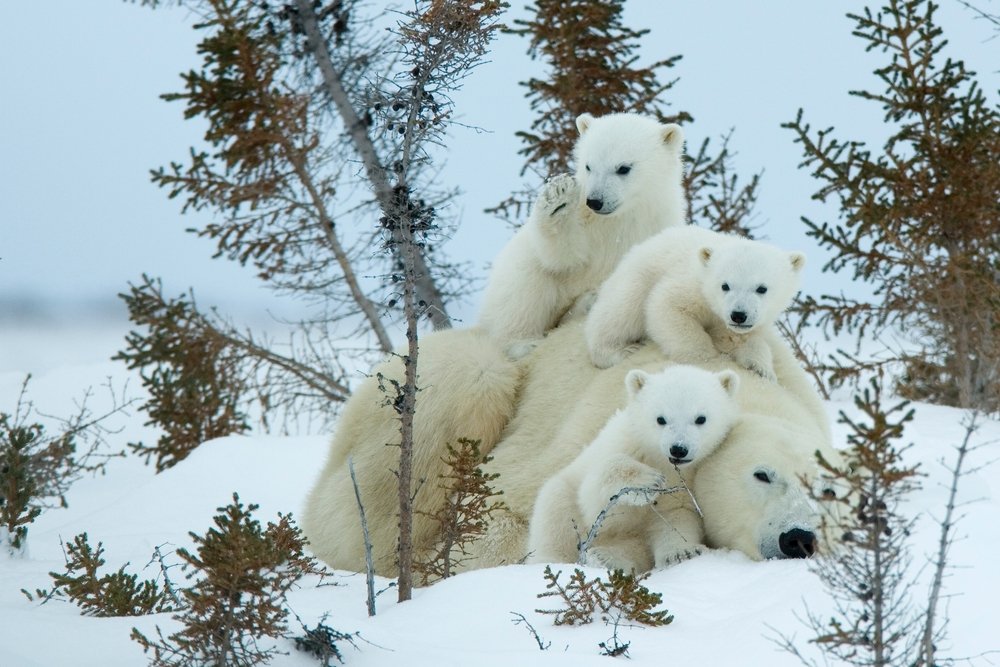
Do Polar Bears Live in the Antarctic?
No, polar bears do not live in Antarctica or the Antarctic region.
Polar bears are native only to the Arctic, which includes areas such as northern Canada, Alaska, Greenland, Norway, and Russia. Antarctica is located on the opposite side of the planet in the Southern Hemisphere.
One of the biggest differences between the two polar regions is their wildlife:
- Polar bears live in the Arctic
- Penguins live in Antarctica
This is why travelers visiting Antarctica will see penguins, seals, and whales.. but never wild polar bears. Likewise, Arctic cruises may offer opportunities to see polar bears, but not penguins.
The confusion often comes from the fact that both regions are icy, remote, and extremely cold. However, they are completely separate ecosystems with very different animal species.