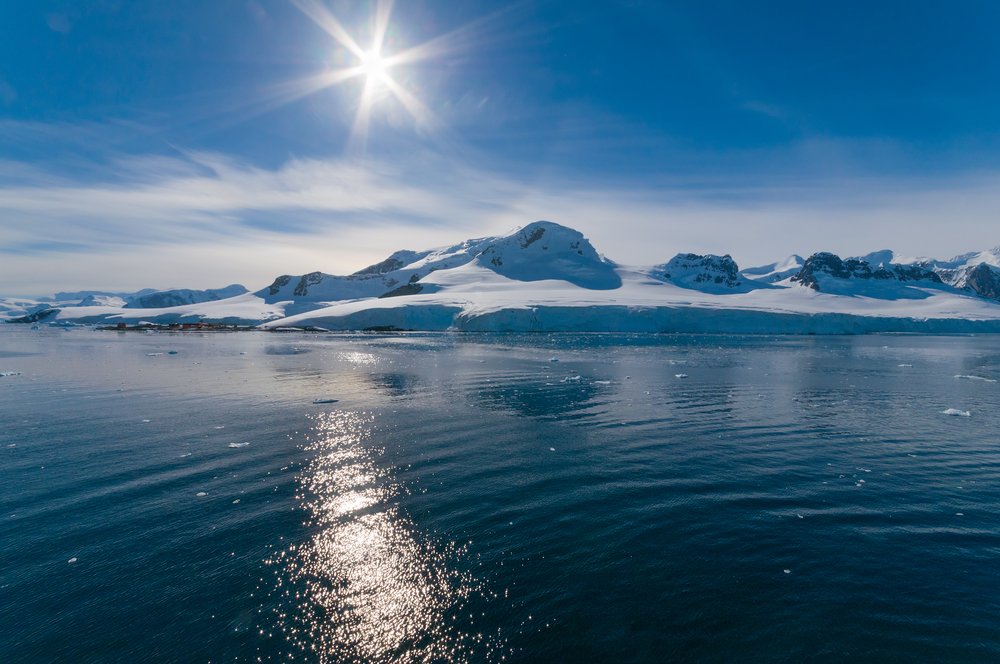

Book Antarctic Peninsula travel with Polar experts

For all those who are looking for the adventure, the 7th Continent, marvel at penguins in their icy realm and cross spectacular natural wonders, cruises to the Antarctic Peninsula offer the ultimate Antarctic experience.

Your Guide to the Antarctic Peninsula

Picture yourself stepping out onto the deck as quiet bays, glaciers and snow-covered mountains appear around you — a landscape so pure and still that it almost feels unreal. For many travelers, the Antarctic Peninsula is where the dream of visiting the White Continent finally becomes real. Penguins nesting along rocky shores, seals resting on drifting ice, whales surfacing nearby — this region offers the classic Antarctic experience many imagine.

At the same time, planning a trip this remote can feel confusing. Which route should I choose? Do I need a small ship or a larger one? What is the best time to travel, and how do I know I’m selecting the right itinerary for my interests?

That’s exactly why we’re here. On this page, you’ll find clear guidance to help you understand routes, timing, wildlife and what to expect. And if you still have questions — whether big or small — you can simply reach out to us. There’s no rush and no pressure. Our polar travel specialists are here to answer everything, compare options, and help you choose the cruise that feels right for your comfort level, expectations and travel style.


Breathtaking: Expect some of the most striking scenery in all of Antarctica: dramatic peaks, mirror-calm bays, and vast fjord systems.

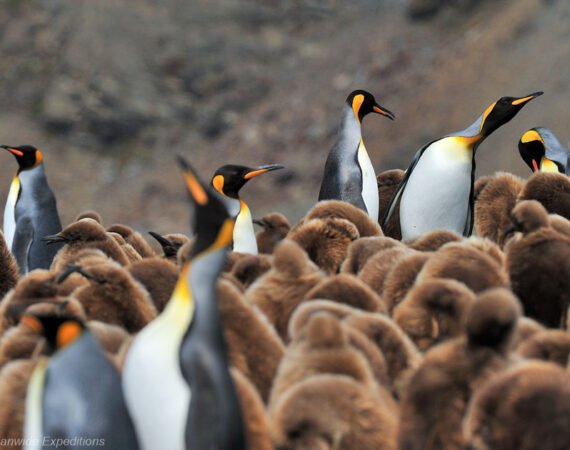
Wildlife: This is where you’ll find the greatest diversity of Antarctic animals. The peninsula is a haven for penguins, seals, and whales.

Accessible: It is the easiest part of Antarctica to reach, offering the widest range of voyage options and itineraries.

Adventure: Explore icy bays by Zodiac, listen to the calls of penguin colonies, and step onto the White Continent itself.

Highlights: Typical routes include Deception Island, Port Lockroy, Paradise Bay, and the Lemaire Channel. With a bit of luck, a Polar Circle itinerary may even take you into the breathtaking ice labyrinth of The Gullet.

Highlights of the Antarctic Peninsula

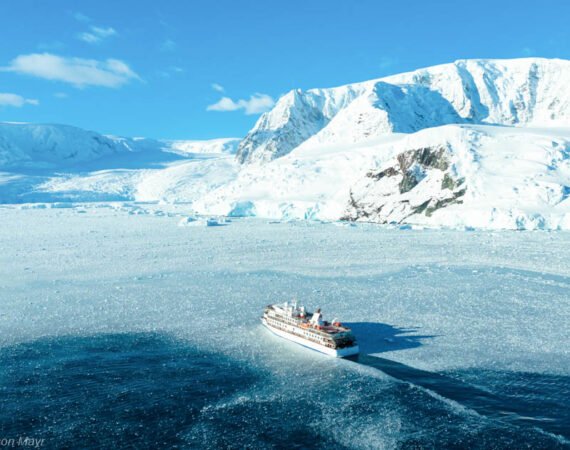
antarctic peninsula stunning scenery

Stunning Scenery

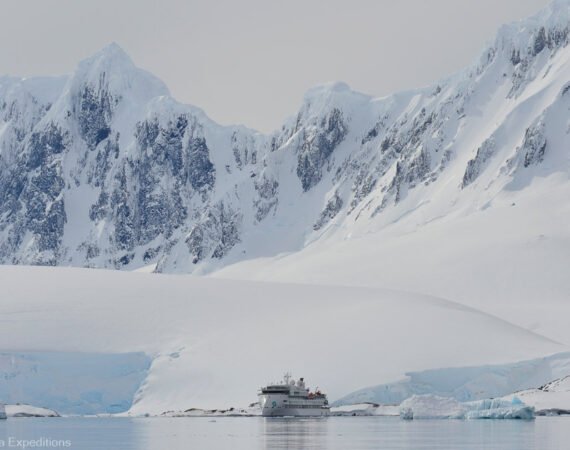
You’ll experience some of the most impressive landscapes in Antarctica — snow-covered mountains, calm bays, and dramatic fjords that feel untouched and endless.

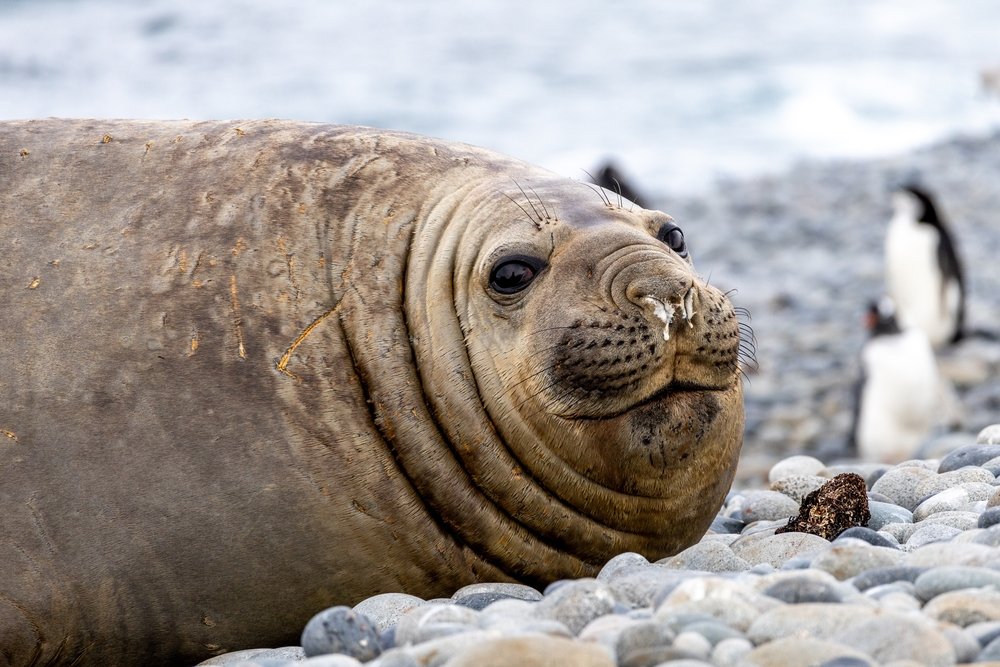
antarctic peninsula wildlife diversity

Wildlife Diversity

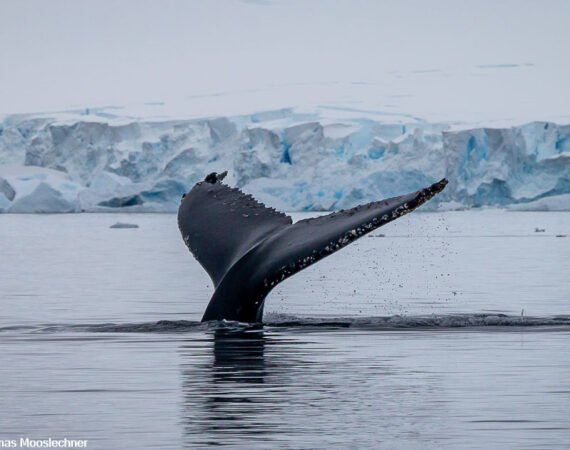
The Antarctic Peninsula offers the greatest variety of wildlife in the region. It’s home to penguin colonies, seals resting on ice, and depending on timing, whales feeding in protected bays.

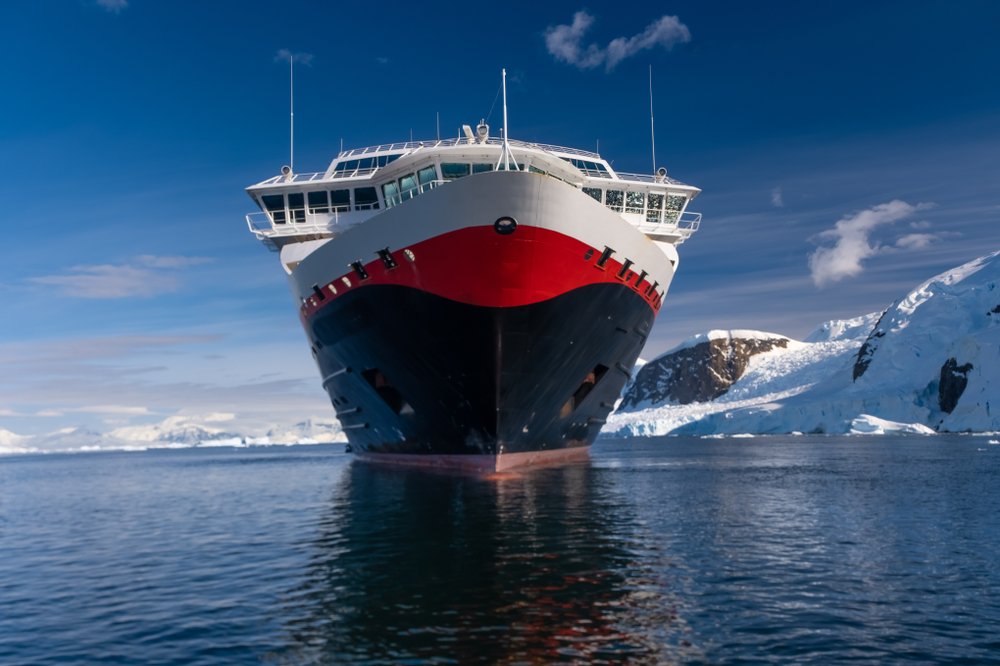
antarctic peninsula Easy access

Easy Access

The peninsula is the easiest part of Antarctica to visit, offering the widest selection of itineraries, ships, and travel styles — from classic voyages to more adventurous routes.

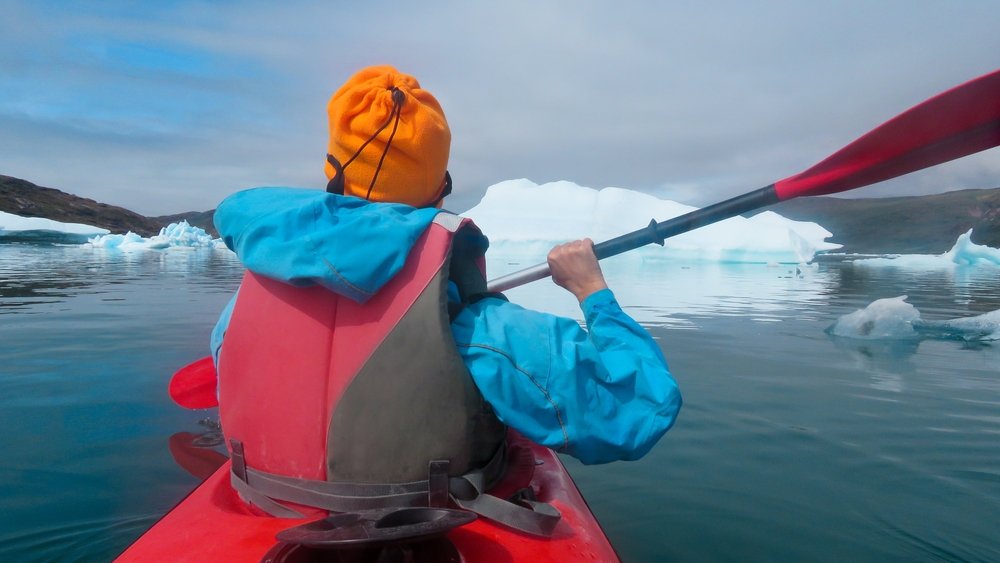
antarctic peninsula A True Expedition

A True Expedition

You’ll explore icy bays by zodiac, walk among penguins, and step onto the White Continent — hearing glaciers crack, the calls of wildlife, and the quiet that defines Antarctica.

antarctic peninsula Iconic Highlights

Iconic Highlights

Many voyages include famous sites such as Deception Island, Port Lockroy, Paradise Bay, and the Lemaire Channel. With the right itinerary, you may even cross the Antarctic Circle and enter the spectacular ice passages known as The Gullet.

When is the best time to visit the Antarctic Peninsula?

Expedition cruises to the Antarctic Peninsula operate from late October to late March. Each part of the season has its own character, so there is no single “best” time: it depends on what you want to experience. Here’s a simple overview:

Early Season (October–November)

This is the Antarctic spring. You’ll be among the first travelers of the season, with dramatic landscapes, fresh snow, more sea ice, and excellent photography conditions. Wildlife activity begins to increase as penguins and seals return to their colonies.

Peak Season (Late December–Early February)

These are the longest daylight weeks with the most stable weather. Wildlife is very active, landings are frequent, and penguin chicks may be visible in some colonies — a highlight for many guests.

Late Season (February–March)

Later in the season, more whales arrive to feed in the region. Penguin chicks are already larger, and the light becomes softer — ideal for photographers. Ice conditions often allow ships to explore farther south.

“The journey usually begins in the South Shetland Islands, with stops at places like Half Moon Bay, Deception Island or Livingston Island. From there, the ship continues toward the Antarctic Peninsula. The exact route depends on weather and ice conditions, and the captain chooses the safest and most rewarding landing sites. No two voyages are identical — flexibility is simply part of the experience.”

Meinhard Mooslechner

Polar Travel Expert

How much does a trip to the Antarctic Peninsula cost?

A classic Antarctic Peninsula expedition cruise from Ushuaia usually ranges between €8,000 and €35,000 per person in a shared double cabin. Prices vary because no two ships or itineraries are the same.

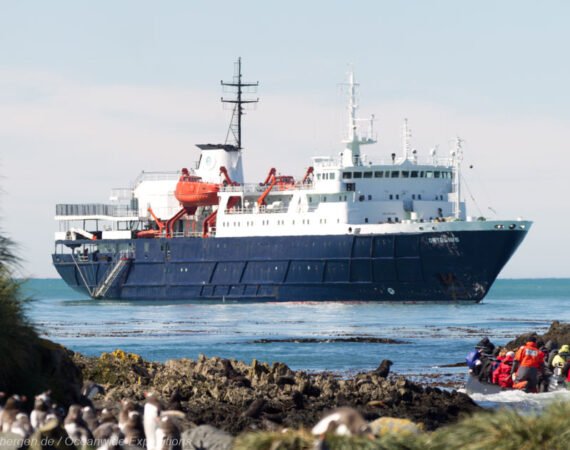
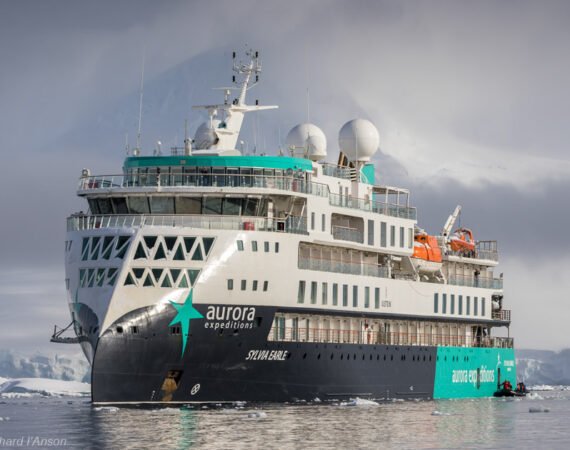
Small ships with fewer than 150 guests and mid-size vessels with around 150–250 passengers generally offer the best balance of comfort, flexibility, and value. Since only 100 guests are allowed ashore at the same time, smaller ships often mean more time on land and more zodiac excursions. Mid-size ships offer a bit more comfort and more shared spaces while still maintaining a good expedition experience.

In summary, the price depends on:

  • The size and capability of the ship
  • The cabin category and comfort level
  • The month of travel and length of itinerary

If you prefer to fly one way instead of crossing the Drake Passage by sea, fly-cruise programs are available — usually 20–50% more expensive than traditional voyages.

Everything is possible: from a simple shared quad cabin on an older expedition ship to a luxurious suite with a private balcony — where a butler may serve champagne while you watch icebergs drift past.

And if you still have questions or are unsure which option suits you best, please ask us. We’re here to help, compare itineraries, explain differences clearly, and guide you toward the journey that feels right for you without pressure.
Best Trips to the Antarctic Peninsula

Ready for the adventure of your life?

Reach out to us today and receive independent, expert guidance from passionate polar specialists who will assist you every step of the way from choosing the right expedition to booking and planning every detail of your journey. Here’s How It Works:

Listen & Advise

We listen and find out which ships, which routes and which price best suit your needs.

Reserve & Relax

Your cabin is reserved for at least 72 hours while you discuss the final details of your trip.

Prepare & Explore

You will receive expert packing tips, insider tips and more so that you can leave optimally prepared.

People Also Ask about the Antarctic Peninsula

The Antarctic Peninsula is located in the northern part of Antarctica, extending toward South America. It lies across the Southern Ocean and is the closest region of the continent to Ushuaia in Argentina and Punta Arenas in Chile. Most expedition cruises to Antarctica travel here first, making it the most accessible and frequently visited part of the continent.

The Antarctic Peninsula is a long, mountainous stretch of land connected to mainland Antarctica. It is known for dramatic fjords, glaciers, volcanic islands, and rich wildlife, including penguins, seals, and whales. For many travelers, this region offers the classic Antarctic experience: zodiac cruises, landings, close wildlife encounters, and breathtaking scenery.

Flying over Antarctica is restricted mainly for safety reasons. The weather can change very quickly, there are no diversion airports, and navigation conditions are challenging. In addition, Antarctica is protected under international agreements, and minimizing air traffic helps protect wildlife and the fragile polar environment. Instead, visitors typically reach the region by expedition cruise or by special fly-cruise programs.

Antarctica isn’t intentionally blurred; it simply has fewer satellite images with high resolution. Harsh weather, long polar nights, shifting ice, and limited infrastructure make detailed mapping more difficult. Many areas are constantly moving or changing due to ice, which also limits photographic consistency.

Yes — the Antarctic Peninsula is cold, but temperatures vary depending on the month. During the Antarctic summer (November to March), daytime temperatures are often between –5°C and +5°C (23–41°F). With wind, it may feel colder. Modern expedition ships, proper clothing, and experienced crews make the experience comfortable and safe for travelers of all ages.