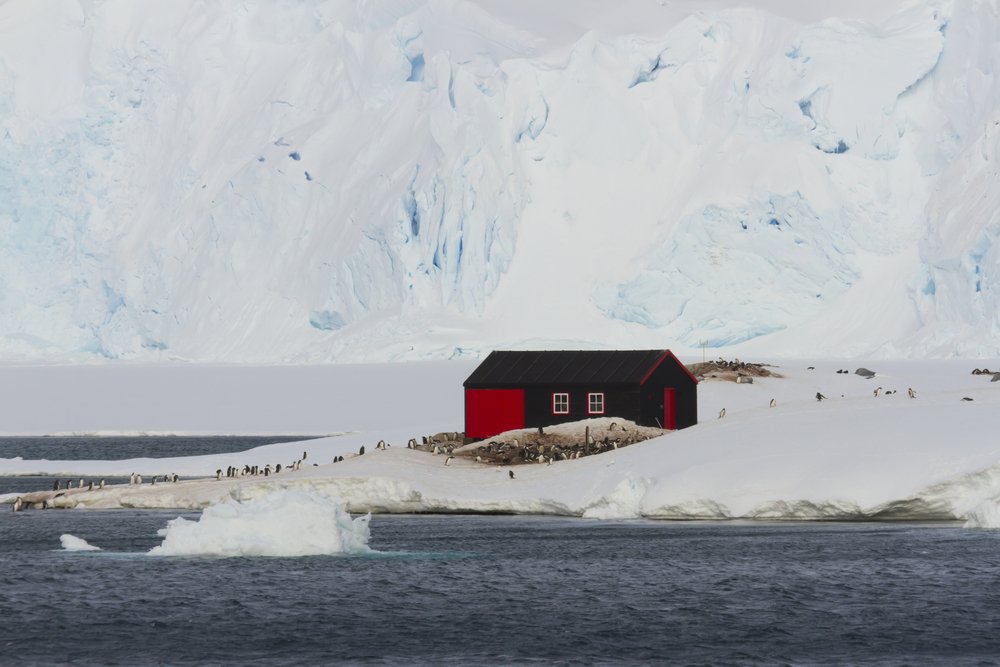
History of Port Lockroy
Port Lockroy has a history that reflects both exploration and science in Antarctica. It was first identified in the early 20th century and later developed during a period when several nations were establishing a presence in the region.
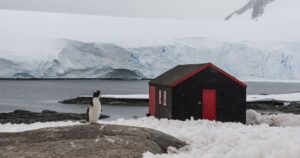
In 1944, during Operation Tabarin, the United Kingdom established a permanent base on Goudier Island. The goal was to strengthen British presence in Antarctica while also supporting scientific research, particularly in meteorology and mapping.
The site became known as Base A and remained active for several years. Scientists and researchers lived and worked here in extremely remote conditions, collecting data and contributing to early Antarctic exploration efforts. Over time, as research operations expanded elsewhere, the base was eventually closed in 1962.Decades later, Port Lockroy was carefully restored by the UK Antarctic Heritage Trust. Today, it serves as a living museum that preserves the original buildings, equipment, and atmosphere of an early Antarctic base
Why is Port Lockroy Famous?
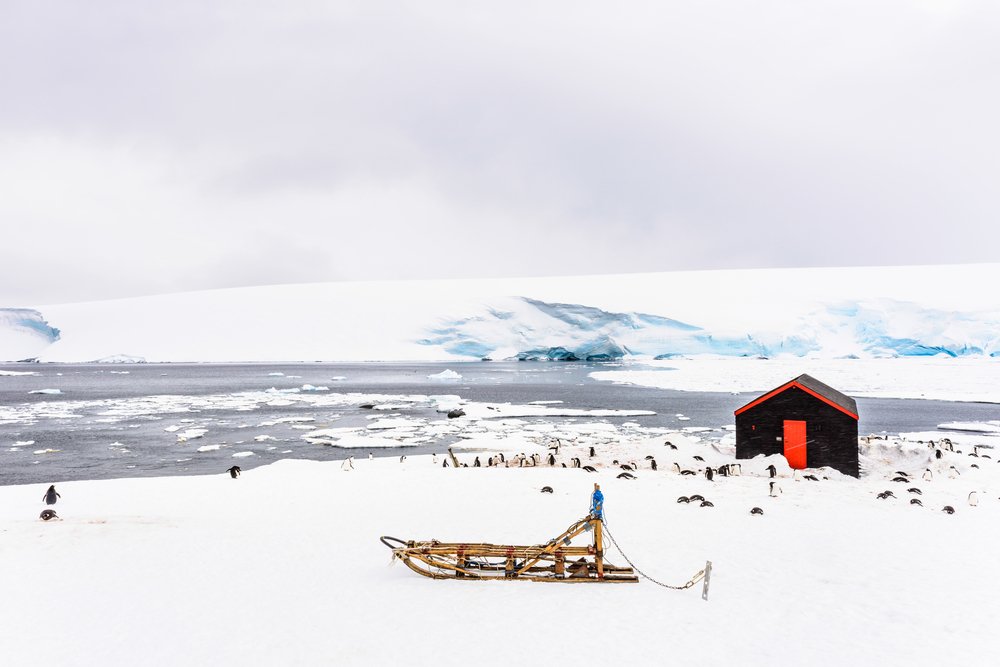
Port Lockroy is famous for being home to the world’s most remote and unique post office, often called the Penguin Post Office. Visitors can send real postcards from Antarctica, making it one of the few places on the continent where you can connect with the outside world in such a memorable way.
Beyond the post office, Port Lockroy is also known for its large colony of gentoo penguins that live freely around the site. The combination of wildlife, history, and human presence makes it one of the most distinctive landing points on the Antarctic Peninsula.
Unlike many locations in Antarctica, Port Lockroy offers a rare mix of accessibility and character. It is one of the few places where you can step inside a historic building, observe wildlife up close, and experience a functioning facility all in one visit.
How are the gentoo penguins as neighbours?
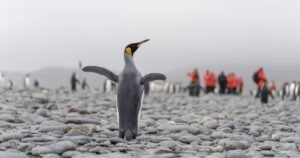
Living alongside gentoo penguins is one of the most unique aspects of Port Lockroy. The colony moves freely around the site, often walking between buildings, nesting nearby, and going about their daily routines without much concern for visitors.
They are curious but not aggressive, and their presence adds constant movement and sound to what would otherwise feel like a quiet, remote place. During the breeding season, you may see them building nests, caring for chicks, or heading back and forth from the sea.
Strict guidelines are in place to protect the penguins, so visitors must keep a safe distance and avoid disturbing their paths. This careful balance allows you to observe wildlife up close while preserving their natural behavior.

Can You Visit Port Lockroy?
Yes, you can visit Port Lockroy, but only as part of an Antarctica cruise. There are no independent travel options, and access is carefully managed to protect the environment.
- Most visits take place during Antarctic Peninsula cruises, where ships include Port Lockroy as one of their landing sites. However, landings are always dependent on weather, sea conditions, and wildlife activity, so they cannot be guaranteed.
- Visitor numbers are strictly limited at any given time, and all landings are organized in small groups. This ensures minimal impact on the penguin colony and preserves the site’s historic structures.
- While you cannot plan a trip to Port Lockroy on its own, it is often one of the most anticipated and rewarding stops on an Antarctica itinerary.
- Contact us to ask all questions about Port Lockroy!
Is Port Lockroy Worth Visiting?
Yes!
Port Lockroy stands out as one of the most memorable stops in Antarctica, combining close-up penguin encounters with a rare human story on the continent. The chance to walk through a historic base, send a postcard from the Penguin Post Office, and experience wildlife in such an intimate setting makes it feel truly special without needing much time.
Port Lockroy: Five Fun Facts
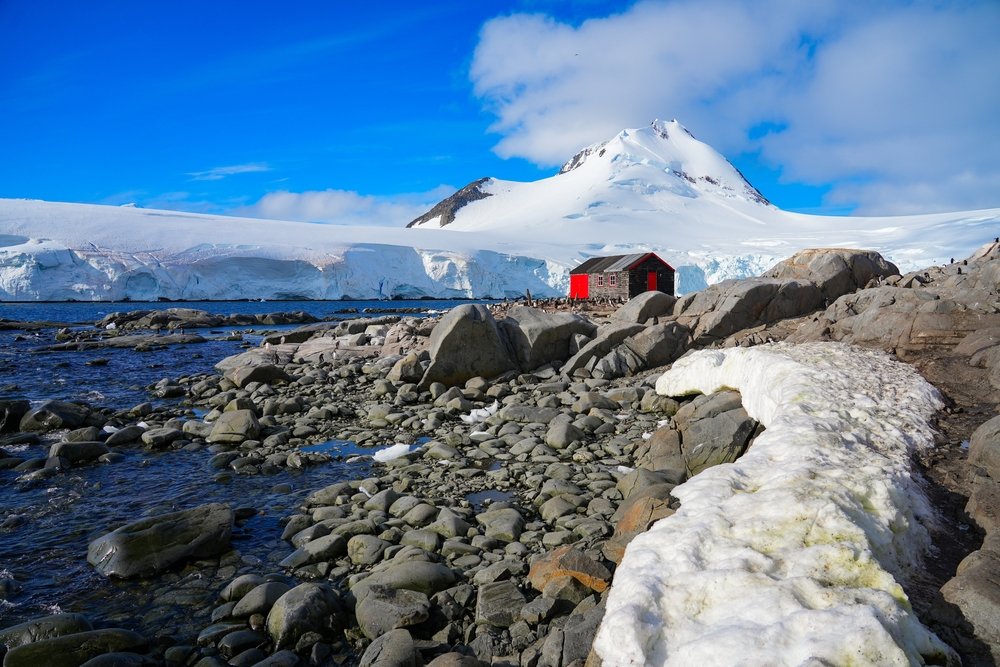
- The Penguin Post Office handles thousands of postcards each season, all sent from one of the most remote locations on Earth.
- Port Lockroy is home to a large colony of gentoo penguins, which often outnumber the human visitors on the island.
- The site was originally established in 1944 as a secret British base during World War II under Operation Tabarin.
- Only a small team of seasonal staff lives and works at Port Lockroy each year, typically for a few months during the Antarctic summer.
- Despite its remote location, Port Lockroy has a gift shop where visitors can buy souvenirs, postcards, and stamps before mailing them from Antarctica.
The Museum at Port Lockroy
At the heart of Port Lockroy is a small but carefully preserved museum, located inside the original Base A buildings. Managed by the UK Antarctic Heritage Trust, the museum recreates life as it was during the 1940s and 1950s.
Inside the museum, you’ll find:
- Original scientific equipment used by early Antarctic researchers
- Personal belongings that reflect daily life on the base
- Restored living quarters, including sleeping and working areas
- Period furnishings and tools preserved from the 1940s–1950s
- Authentic interiors that show how scientists lived in isolation
The museum is compact, but that is part of its appeal. Every detail feels authentic, and stepping inside creates a strong contrast with the vast, untouched landscape outside.
The Penguin Post Office
One of the most memorable experiences at Port Lockroy is visiting the famous Penguin Post Office. Located inside the historic base, this small working post office allows visitors to send real postcards from Antarctica, something very few places in the world can offer.
- Each season, a small team manages the post office, handling thousands of postcards sent to destinations around the globe. You can purchase cards and stamps on-site, write your message, and have it stamped in Antarctica before it begins its long journey home.
- Delivery can take several weeks or even months, depending on conditions, but that’s part of the experience. Sending a postcard from Port Lockroy is less about speed and more about the story behind it.
- Surrounded by penguins and set within one of the most remote locations on Earth, the Penguin Post Office is a simple yet unforgettable way to connect your Antarctica journey with the outside world.