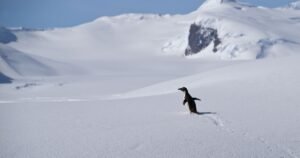
It’s a white, endless landscape.
No landmarks. No crowd. No sound: except the crunch of snow under tiny feet.
A single penguin walks away from the colony.
Not toward the sea.
Not toward food.
But inland. Toward the mountains.
When the video resurfaced online, the internet froze.
Why is the penguin walking toward the mountain?
Why did it leave the others?
Is it lost, sick or choosing something else entirely?
Within days, the clip earned a name: the Nihilist Penguin.
So what actually happened?
And why does this one penguin still haunt us?
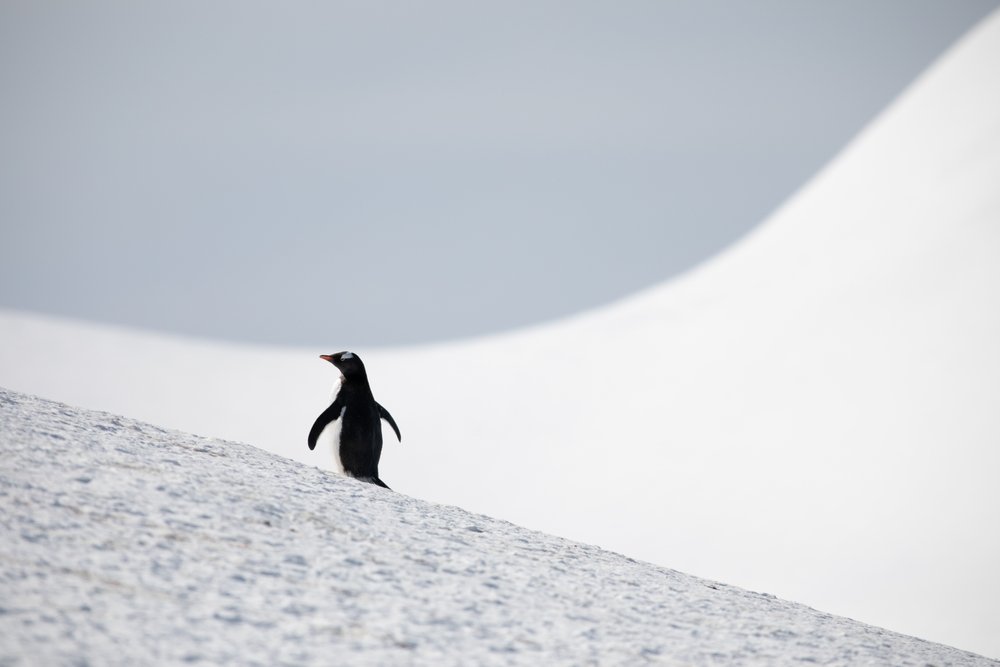
The Nihilist Penguin: Meme, Metaphor, or Misunderstanding?
The “Nihilist Penguin” label is not scientific, but symbolic. The penguin is unlikely to be acting out of philosophy or intention; its behavior may be caused by disorientation, illness, or a rare behavioral anomaly.
Still, the image of a penguin abandoning the expected path and walking toward apparent danger resonated strongly with viewers.
As a result, the scene became a metaphor for nihilism, existential doubt and quiet rebellion against routine and conformity, especially after the clip went viral in 2026 as a meme reflecting human struggles with meaning, purpose, and choice.
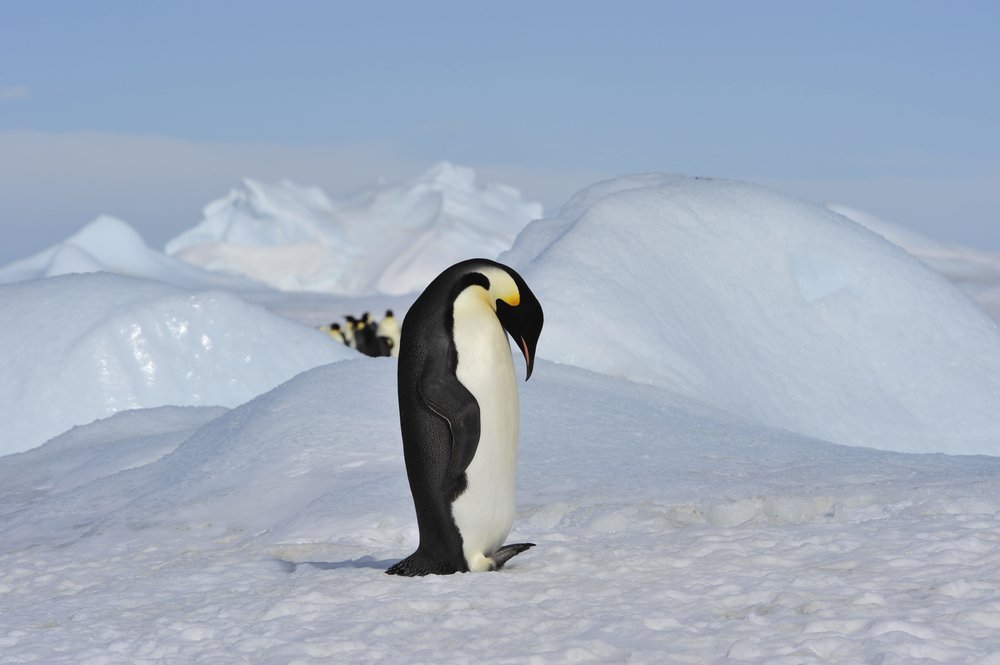
The Penguin Was Real: Meet the Emperor Penguin
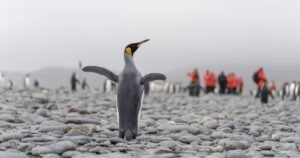
The penguin seen in the viral clip was not symbolic or staged: it was a real emperor penguin, the largest penguin species on Earth and a true native of Antarctica. Emperor penguins are highly adapted to extreme conditions, relying on precise routines between their breeding colonies and the sea for survival.
They are deeply social animals, moving in coordinated patterns that minimize risk and maximize access to food. This is exactly why the scene feels so disturbing: an emperor penguin walking inland, away from the sea and the colony, goes against everything we know about its behavior.
For a species so finely tuned to its environment, such a deviation is rare. That rarity—more than any metaphor—is what makes the moment so striking.
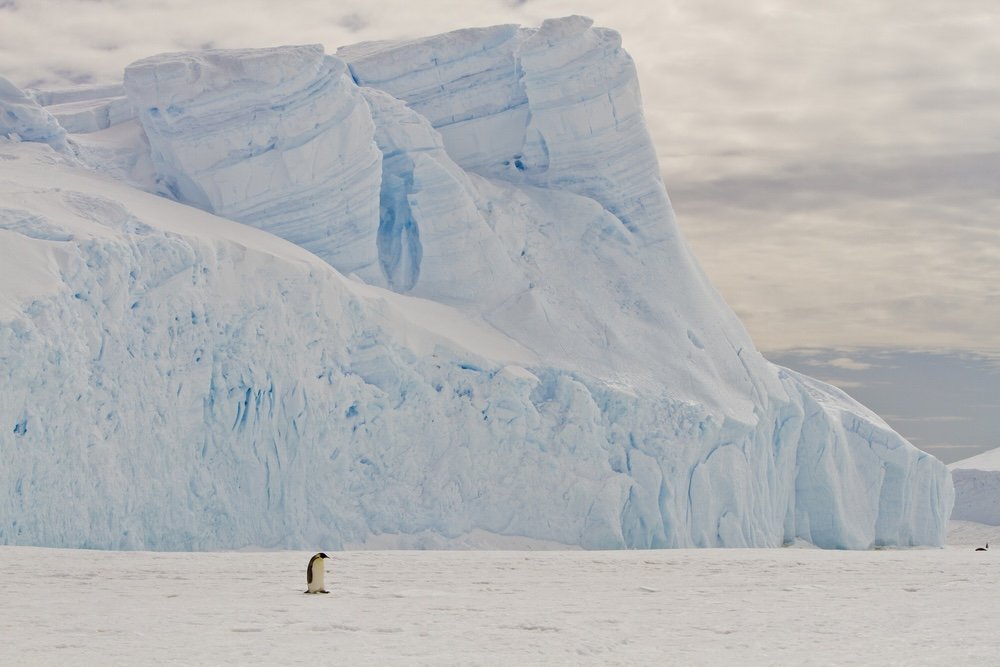
Why Is the Penguin Walking to the Mountains?
The Question That Has No Answer:
No one knows.
That’s the honest answer: There is no confirmed explanation, no final report, no moment where the penguin turns around and everything makes sense. Antarctica does not offer neat conclusions, and this scene is no exception.
What we know is only what we see.
- The penguin leaves the colony
- It moves away from the feeding grounds
- It walks inland, toward the mountains
- It keeps going
From a biological standpoint, this direction offers nothing. No food. No shelter. No breeding opportunity. From a human perspective, that’s exactly what makes the question so uncomfortable.
Why is the penguin walking to the mountains?
Science can suggest possibilities, disorientation, illness, rare behavioral anomalies; but none of them fully satisfy. They explain how it might happen, not why it feels so significant to watch.
And maybe that’s the point: Some moments in nature resist interpretation. They don’t exist to teach a lesson or confirm a theory. They simply happen, quietly and without explanation.

The Penguin, the Internet, and Us
The penguin did not go viral because it was rare or dramatic. It went viral because it left space for interpretation. In a single, silent walk, people saw isolation, freedom, exhaustion, defiance or the courage to step away from the expected path.
The internet turned the moment into a mirror.
What we brought to the image mattered more than what the penguin was actually doing. A simple behavioral anomaly became a story about meaning, choice and uncertainty. Because those are questions we constantly ask ourselves.
Online, the moment was reshaped by captions and hashtags: #penguin #adventure #mountain #nihilistpenguin #butwhy #nature
In the end, the penguin remains just a penguin, walking through Antarctica without explanation. But the reason we keep watching says something about us: our need to understand, to project, and to find ourselves even in the most remote corners of the planet.
And maybe that’s why this quiet moment still lingers, long after the penguin disappears into the white.
Online, the moment was reshaped by captions and hashtags:
#penguin #adventure #mountain #nihilistpenguin