Expedition to New Zealand’s Subantarctic Islands
Fascinating natural treasures of New Zealand: From historical sites to pristine island worlds.
Duration
15 Day
Number
Starts from
Dunedin
Price
from 13.268 €
1. Highlights of the Route
- Impressive fjords, historic cities and unique islands with rare wildlife.
- Start and end of the journey in Dunedin, New Zealand.
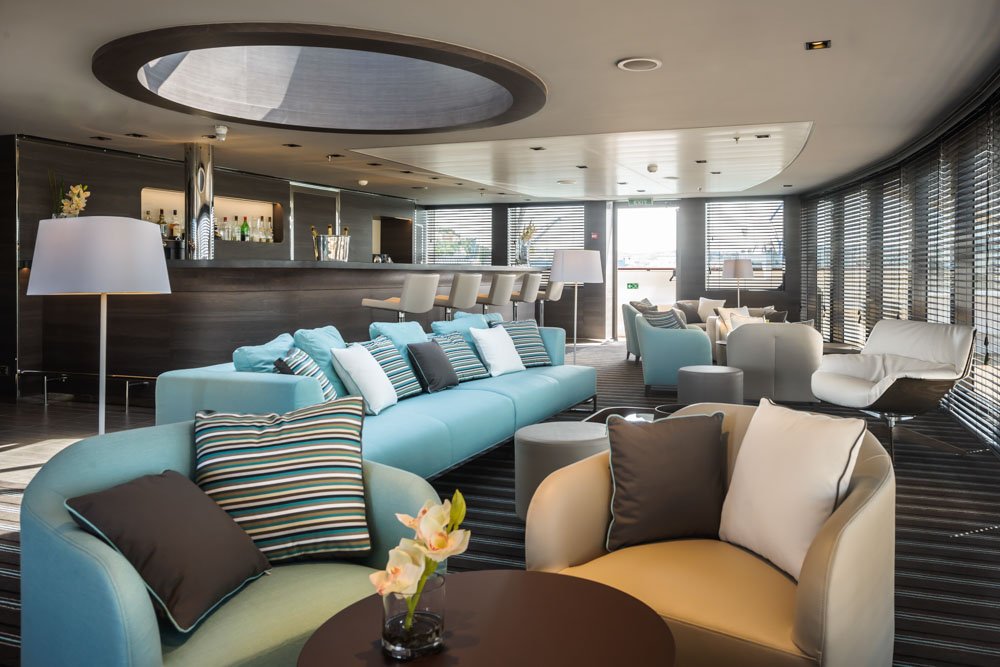
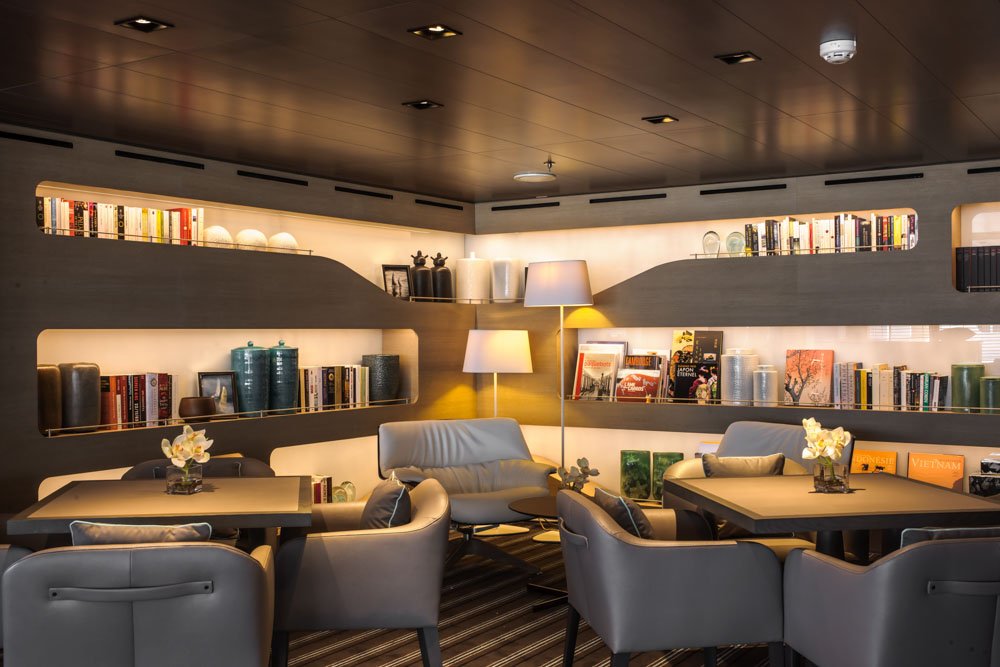
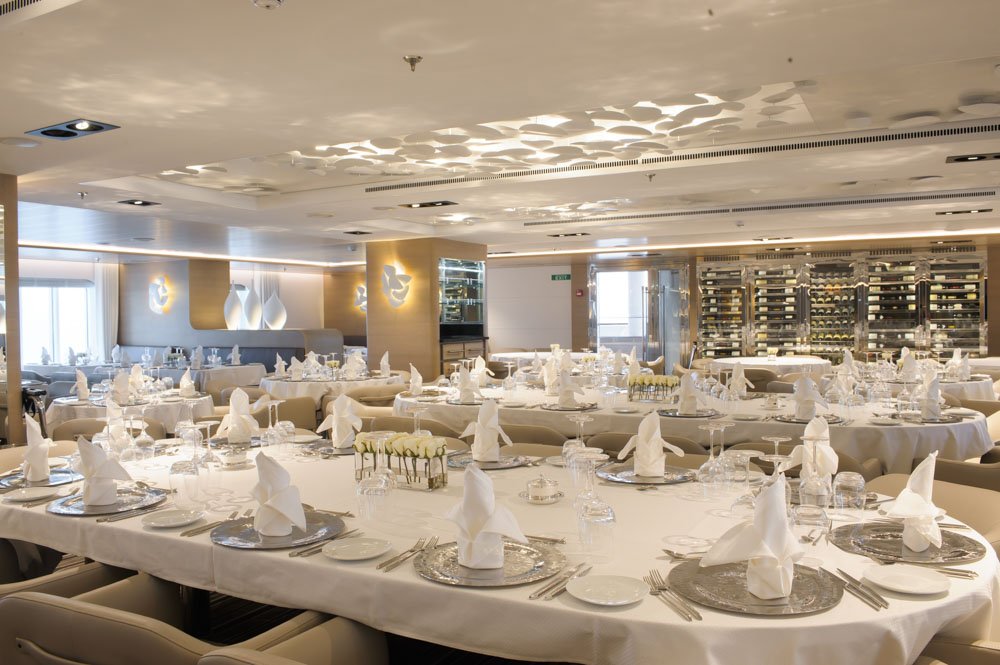
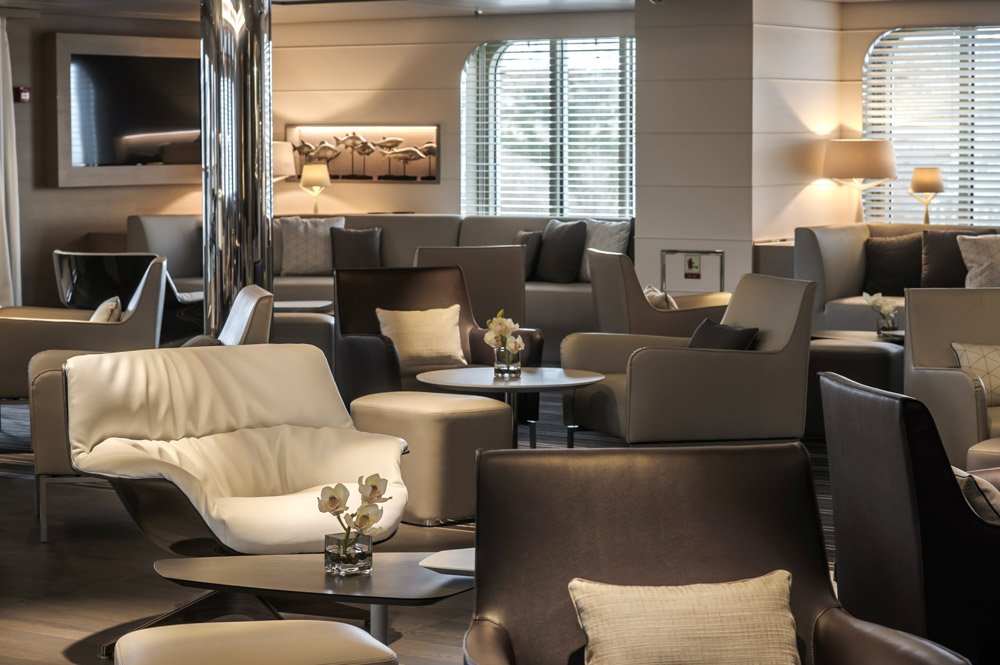
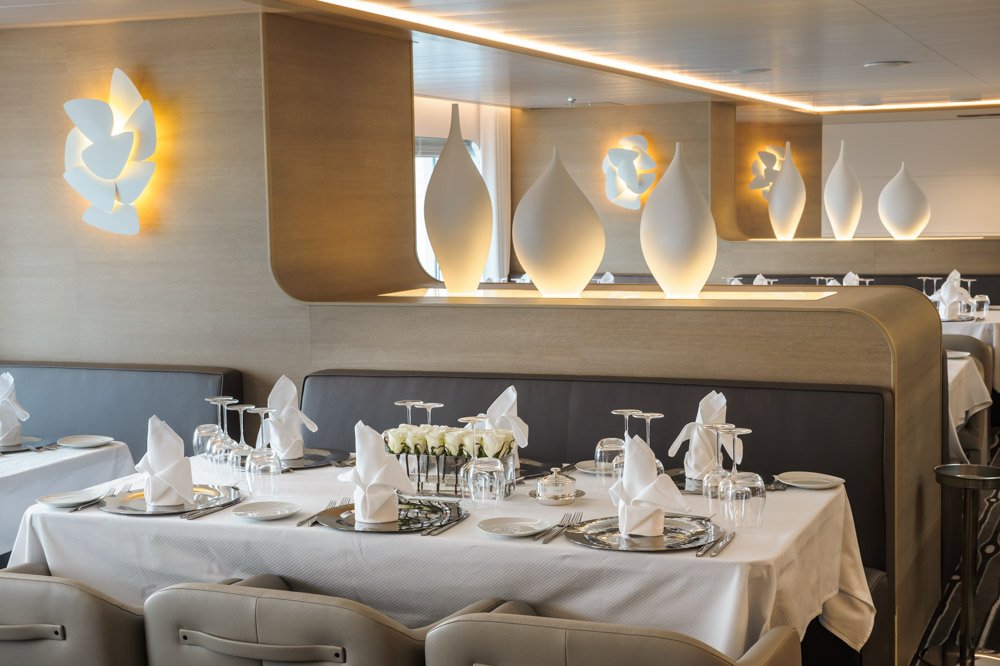
- Luxurious expedition ship with French cuisine.
Your Trip at a Glance
Discover New Zealand’s unique nature and wildlife on a fascinating journey to the most spectacular islands and fjords of the South Island and the subantarctic region. From the historic city of Dunedin with its Scottish charm to rugged, pristine island paradises like Ulva Island, the Snares and Auckland Islands, to the impressive fjords of Milford, Dusky and Doubtful Sound – experience diverse landscapes, rare animal species, and unforgettable natural spectacles. Comfortable ship crossings offer relaxation and entertainment on board, while you explore the breathtaking coastal world from a Zodiac.
Arrival Package:
We would be happy to plan an individual pre-program or your arrival with international flights for you.
Post Itinerary Package:
Upon request, we would be happy to plan an individual follow-up program for you according to your wishes.

2. The Itinerary
Day 1: Embarkation in Dunedin
Dunedin is the oldest city in New Zealand and is located on the east coast of the South Island. Due to its Scottish roots, it is also called the “Edinburgh of the South”. The city was founded in 1848 and is known for its well-preserved Victorian and Edwardian buildings. On the Otago Peninsula, there are nature reserves with rare wildlife, including royal albatrosses and yellow-eyed penguins.
Day 2: Ulva Island
Ulva Island (Te Wharawhara) is, at 270 hectares, the largest island in Paterson Inlet near Stewart Island. Since 1997, it has been predator-free and serves as a sanctuary for rare birds and plants. Weka rails, saddlebacks, yellowheads, and pied fantails are frequently seen. The island has easily walkable paths and a rare, nearly untouched podocarp forest – ideal for nature and bird lovers.
Day 3: Dusky & Doubtful Sound
Dusky Sound is a remote fjord in Fiordland National Park in the southwest of New Zealand and part of the UNESCO World Heritage Site. The landscape of rocks, waterfalls, lakes, and pristine forests is spectacular. James Cook stayed here in 1773 – a memorial plaque commemorates this. You can observe rare animals such as fur seals, cormorants, and Fiordland crested penguins. Doubtful Sound, also known as the “Sound of Silence”, is a quiet, secluded fjord in Fiordland. James Cook named it “Doubtful Harbour” in 1770 as he was unsure if it could be navigated under sail. At 421 meters deep, it is one of New Zealand’s largest fjords. It consists of three arms and impresses with several waterfalls, especially around Secretary Island. The landscape can be well experienced from a boat.
Day 4: Milford Sound Fjord
Milford Sound is an impressive fjord in Fiordland National Park in the southwest of New Zealand. Formed by glaciers, it extends about 15 km inland. Steep rock cliffs rise from the water, and numerous waterfalls plunge from the mountain landscape – a natural wonder and one of New Zealand’s most beautiful destinations.
Day 5: Snares Islands
The Snares Islands are subantarctic islands of New Zealand and a UNESCO World Heritage Site. As no mammals were ever introduced there, the wildlife is particularly protected. Many seabirds nest here, including sooty shearwaters, Snares crested penguins, and several albatross species. Fur seals and sea lions also live on the islands. Landing is prohibited, but wildlife observations from a Zodiac are possible in good weather.
Day 6: Enderby Island & Musgrave Inlet, Auckland Islands
Enderby is the third largest of the Auckland Islands, part of the UNESCO World Heritage Site. Since 1994, the native flora and fauna have been recovering here. The island is a breeding ground for yellow-eyed penguins and New Zealand sea lions. During hikes or Zodiac trips, you can observe Auckland Island teals and other rare species, among others. The Auckland Islands are New Zealand’s largest subantarctic islands with a particularly high biodiversity. Over 200 vascular plant species and numerous seabirds live here. The Musgrave Inlet on the east coast impresses with protected flora and colorful flower landscapes, ideal for nature observations by Zodiac.
Day 7: At Sea
Enjoy relaxation and variety during the sea passage: spa, fitness room, pool, or sunbathing depending on the weather. Participate in lectures or shows, visit the boutique or the onboard photographers. If you like being outdoors, you can observe the waves and, with luck, marine animals from the upper deck – a comfortable time out at sea.
Day 8 to Day 9: Macquarie Island
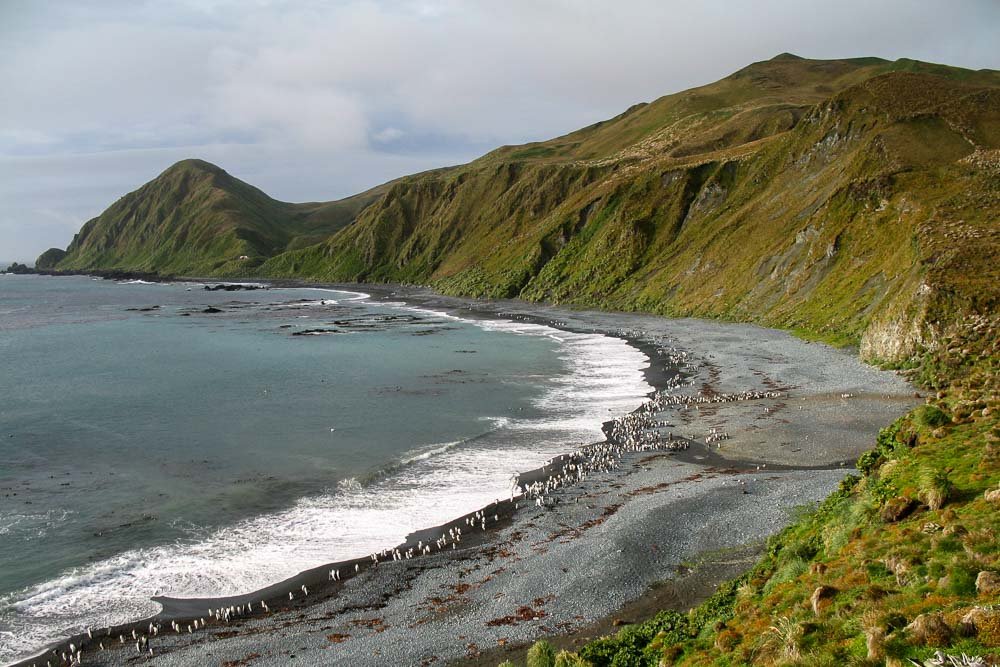
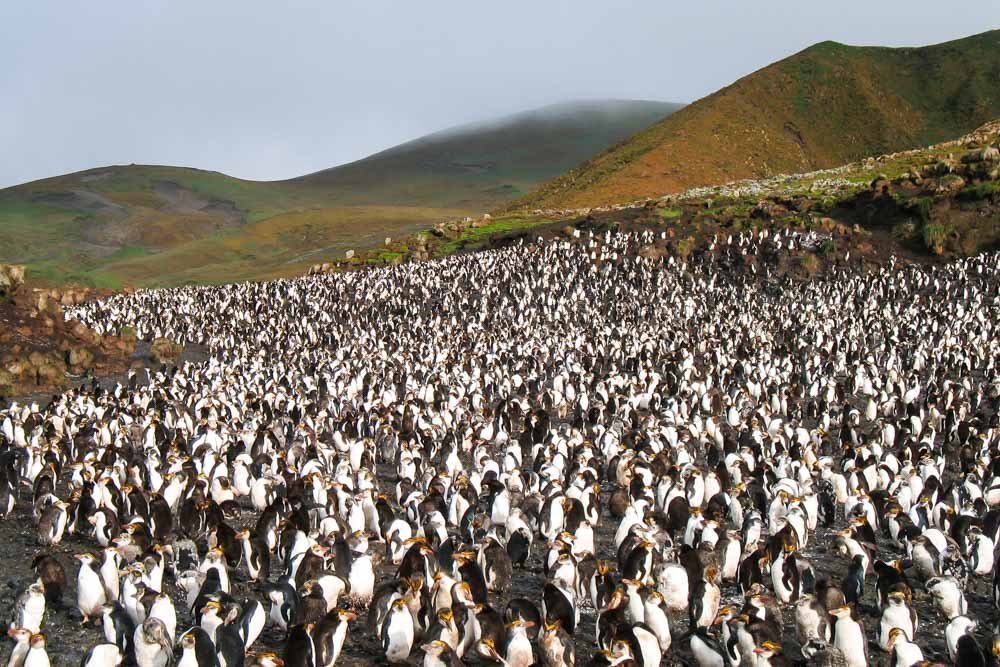
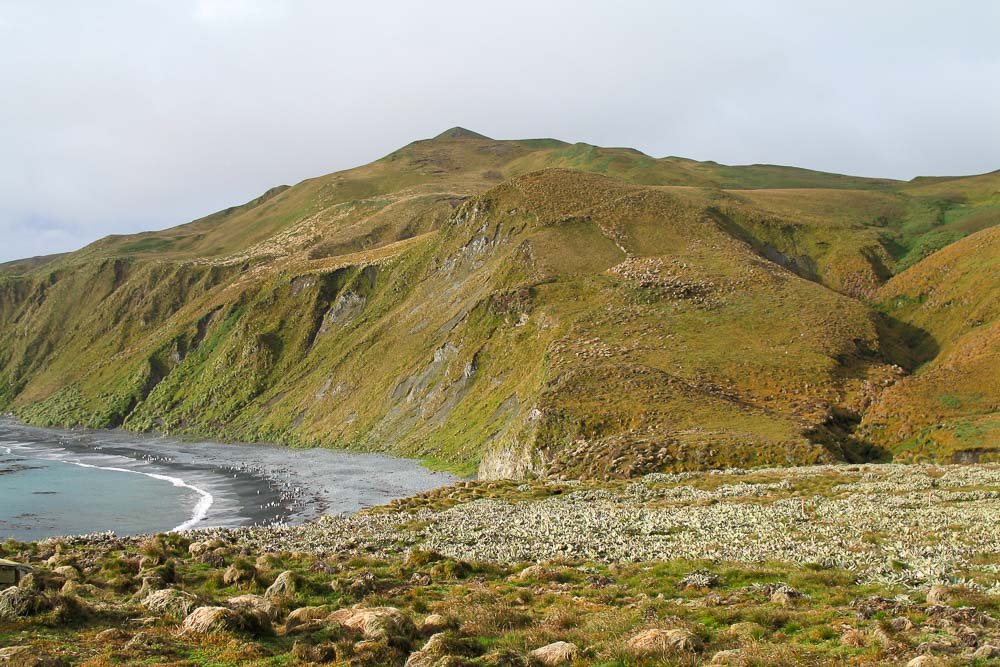
Macquarie Island, a natural wonder with great biodiversity, is a breeding ground for over 3.5 million seabirds, including four penguin species: king, royal, gentoo, and rockhopper penguins. Fur seals and many elephant seals also live here. Since 1948, there has been an ANARE research station on the island. In good weather, a landing for wildlife observation is possible.
Day 10: At Sea
Enjoy relaxation and variety during the sea passage: spa, fitness room, pool, or sunbathing depending on the weather. Participate in lectures or shows, visit the boutique or the onboard photographers. If you like being outdoors, you can observe the waves and, with luck, marine animals from the upper deck – a comfortable time out at sea.
Day 11: Campbell Island
Campbell Island, part of the UNESCO World Heritage Site, impresses with its unique flora, especially large heather plants adapted to the harsh climate. Six albatross species live here, as well as rare birds such as the flightless Campbell Island teal and the Campbell Island snipe. Hikes at Col Lyall Saddle or Zodiac trips to Perseverance Harbour offer opportunities for wildlife observation.
Day 12: At Sea
Enjoy relaxation and variety during the sea passage: spa, fitness room, pool, or sunbathing depending on the weather. Participate in lectures or shows, visit the boutique or the onboard photographers. If you like being outdoors, you can observe the waves and, with luck, marine animals from the upper deck – a comfortable time out at sea.
Day 13: Antipodes Islands
The Antipodes Islands are subantarctic volcanic islands over 800 km southeast of New Zealand. They consist of the main island Antipodes, Bollons Island, and smaller islands. Two parakeet species live here, many seabirds such as storm petrels and the large Antipodean wandering albatross, as well as erect-crested and rockhopper penguins. The islands are not accessible; wildlife observations are made from a Zodiac.
Day 14: At Sea
Take advantage of numerous leisure opportunities on board: Relax in the spa, work out in the fitness room, or enjoy the pool and sunbathing. Participate in lectures, shows, or shopping in the boutique. On the upper deck, experience the sea and, with luck, observe marine animals – a relaxed and comfortable time out at sea.
Day 15: Disembarkation in Dunedin
Dunedin, New Zealand’s oldest city on the east coast of the South Island, is also called the “Edinburgh of the South” due to its Scottish heritage. Founded in 1848, the city impresses with well-preserved Victorian and Edwardian buildings against the backdrop of Silver Peak. On the Otago Peninsula, there are nature reserves with unique wildlife, including the only mainland royal albatross colony and rare yellow-eyed penguins.
Please set Google Geocoding API key before using this widget.
- Departure From: Dunedin
- End Point: Dunedin
3. Services Included
Included
- Antarctic cruise in the booked cabin category.
- Flight in Economy Class from Buenos Aires to Ushuaia and back.
- Hotel accommodation before the expedition cruise in Buenos Aires with meals as specified in the program.
- Transfers from airport to hotel and from hotel to airport in Buenos Aires.
- Transfer from Ushuaia airport to the expedition ship and back to the airport.
- All Zodiac rides and landings in Antarctica.
- English/French-speaking expedition team and scientific lectures.
- Full board on board from dinner on the day of arrival to breakfast on the day of departure. Coffee and cake in the afternoon.
- Drinks with meals.
- Evening events, entertainment program and lectures.
- Captain's Welcome Cocktail + Gala Dinner.
- 24-hour cabin service (with selected dishes).
- Expedition parka as a gift, handed over on board.
- Free rubber boots for loan.
- One Antarctica travel guide per cabin.
- Luggage handling to and from the ship.
- Taxes and port fees.
- Port taxes.
Excluded
- International flights: We can book a suitable flight for you at an additional cost.
- Optional: Visit to Tierra del Fuego National Park in Ushuaia at an additional cost before departure.
- Customary tips for staff at the end of the trip.
- Optional shore excursions.
- Personal expenses, fees for telephone use, laundry, massages, etc.
- Cancellation insurance.
- Travel cancellation and international health insurance.
4. Travel Dates and Prices
Please contact us directly for the current daily prices of the trips and the prices for single occupancy or special cabins. Our polar experts will answer all your questions about the itinerary, the ship, and the cabins.
Appointments on request. Please contact us directly using the contact form.
Prices are per person, based on double occupancy per cabin or suite and subject to availability.
For solo travelers, cabins or suites may be available without a single supplement, subject to availability. Please contact us for details for solo travelers.
Got any questions about this trip?
No ships found.